
Miami Beach Bets on Deregulation to Revive its Entertainment Core
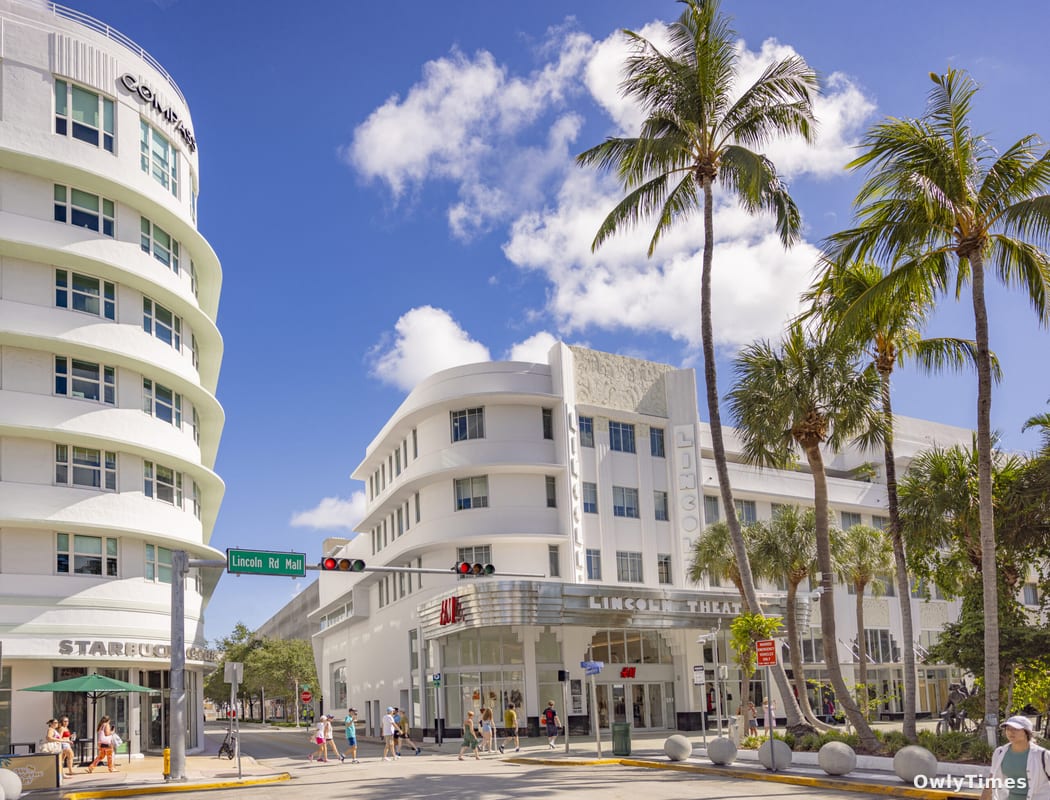
The unanimous vote by the Miami Beach City Commission to temporarily dismantle portions of its regulatory framework for restaurants and live entertainment venues isn’t simply a streamlining effort – it’s a calculated gamble on the power of nostalgia and a tacit admission that existing regulations were actively hindering the city’s economic recovery. While framed as a temporary measure, this deregulation signals a significant shift in Miami Beach’s approach to economic development, prioritizing speed and perceived vibrancy over strict control. The move, impacting key commercial corridors like Lincoln Road, is particularly noteworthy given the ongoing struggles of retail spaces nationwide and the city’s historical reliance on tourism and nightlife.
Background & Context: A History of Regulation and Reinvention
Miami Beach has always been a city defined by reinvention. From its early days as a mangrove swamp to its Art Deco boom and its more recent evolution as a global luxury destination, the city has consistently adapted. However, this adaptation has often been accompanied by increasingly complex layers of regulation. The current situation stems from a confluence of factors: the economic fallout from the COVID-19 pandemic, which decimated the hospitality industry; a national trend of retail vacancies exacerbated by e-commerce; and a growing perception among business owners that Miami Beach’s permitting process was overly burdensome.
This article draws on reporting from floridayimby.com.
The reference point for many commissioners, including Alex J. Fernandez, is the city’s “heyday,” specifically recalling venues like the Van Dyke Cafe – a legendary jazz club. This nostalgia isn’t accidental. It highlights a desire to recapture a specific cultural identity, one that prioritized live music and a vibrant street life. What’s often overlooked is that the very regulations in place were, ironically, preventing the organic emergence of similar venues. The previous 200-person occupancy threshold for indoor live entertainment, for example, effectively stifled smaller, intimate performance spaces. The new ordinance raises that threshold to 750 persons, a 250% increase, demonstrating the scale of the regulatory shift.
The Significance of Increased Occupancy and Streamlined Approvals
The core of the ordinance lies in removing the requirement for conditional use permits for qualifying establishments in designated districts. This is a substantial change. Conditional use permits are often time-consuming and expensive, requiring extensive documentation, public hearings, and potential negotiation with local residents. By eliminating this hurdle, the city aims to drastically reduce the time it takes for businesses to open their doors. The allowance for existing businesses to add live entertainment simply by updating their paperwork further accelerates this process.
This deregulation isn’t a blanket removal of all oversight. Outdoor entertainment, rooftop venues, and adult entertainment remain prohibited, and businesses are still subject to existing city codes. However, the increased occupancy limit – up to 750 persons without a conditional use permit – is the most impactful element. This suggests the city is willing to tolerate higher density and potentially increased noise levels in exchange for economic activity. Steven Meiner’s statement, “We’re cutting red tape while maintaining high standards,” encapsulates this balancing act, though the definition of “high standards” will undoubtedly be tested as more venues take advantage of the new rules.
What This Means: Stakeholders and Potential Impacts
The immediate beneficiaries are restaurant and entertainment entrepreneurs looking to establish or expand their businesses in Miami Beach. The ordinance lowers the barrier to entry and reduces operational costs. For the Lincoln Road Business Improvement District, as highlighted by president Lyle Stern, this represents a critical step towards regaining competitiveness. However, the implications extend beyond the business community.
Residents in the affected areas may experience increased noise and traffic. The success of the ordinance hinges on effective enforcement of existing city codes to prevent violations. The city government itself faces the challenge of managing potential complaints and ensuring that the deregulation doesn’t lead to a decline in quality of life. Furthermore, the ordinance could create a two-tiered system, favoring businesses in the designated commercial corridors while potentially disadvantaging those outside these zones. The long-term impact on property values in these areas also remains to be seen.
Looking Ahead: Monitoring the Experiment and Potential Expansion
The ordinance is explicitly “temporary,” but its success will likely determine whether it becomes permanent or is expanded to other areas of Miami Beach. Key metrics to watch include the number of new businesses opening in the designated districts, the occupancy rates of existing businesses, and the volume of code violations reported. The city will also need to monitor public sentiment and address any concerns raised by residents.
A potential scenario is that the ordinance proves highly successful, leading to a revitalization of Lincoln Road and other commercial corridors. This could then prompt calls for a city-wide deregulation of entertainment venues. Conversely, if the ordinance leads to a surge in noise complaints or code violations, the city may be forced to scale back the program or impose stricter regulations. The coming months will be a crucial test of Miami Beach’s willingness to embrace a more flexible and entrepreneurial approach to economic development. The city is essentially conducting a live experiment, and the results will have significant implications for its future.