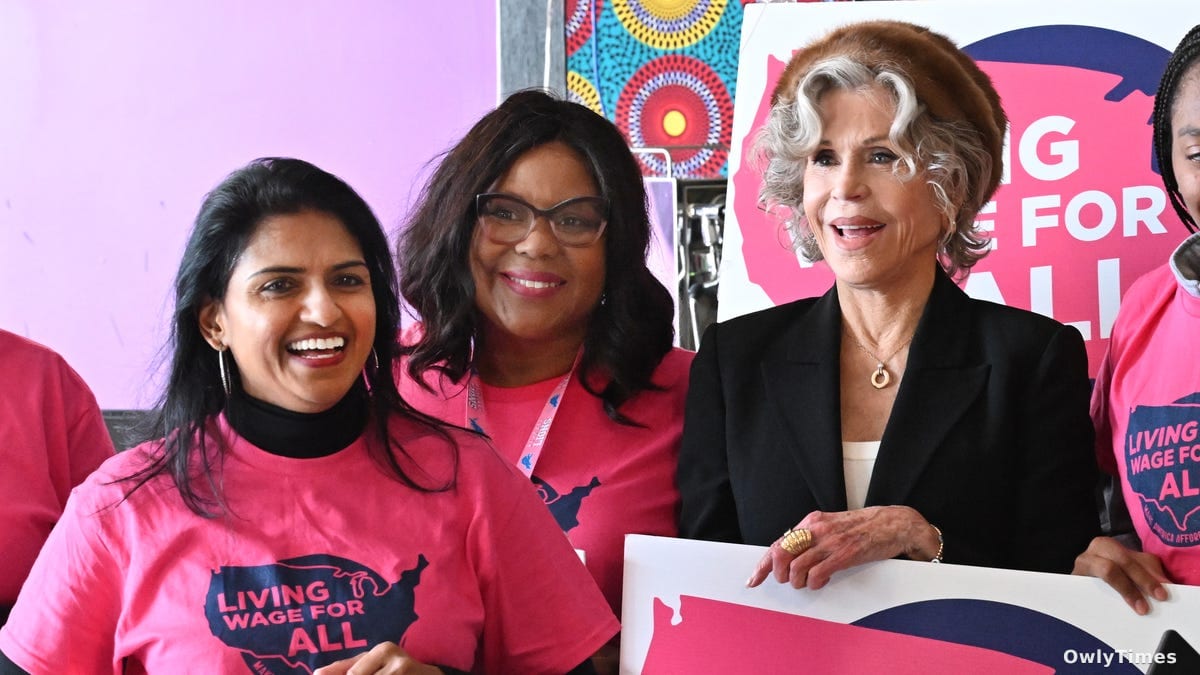

The strategic retreat of One Fair Wage from the 2026 ballot initiative regarding Michigan’s minimum wage isn’t a story about failing to gather signatures – it’s a calculated realignment of progressive power in the state, acknowledging a shifting landscape where direct democracy is proving increasingly difficult and expensive. The group’s decision to pivot to the “Money Out of Politics” campaign reveals a growing recognition that the battlefield for economic justice isn’t solely wages, but the influence peddling that consistently undermines them. This isn’t simply a loss for labor advocates; it’s a signal about the escalating costs of bypassing a legislature, even one controlled by their own party.
A History of Legislative Interference
The current impasse over Michigan’s minimum wage is a decade-long saga of legislative maneuvering, judicial intervention, and ultimately, a demonstration of the state’s political vulnerabilities. It began in 2018 when One Fair Wage successfully gathered signatures for a ballot proposal aiming to raise the minimum wage to $15 an hour and eliminate the lower wage for tipped workers. However, the then-Republican-led legislature preemptively adopted the proposal, then amended it to significantly delay implementation – a tactic designed to neuter the impact before it reached voters. This move, while initially successful in slowing the wage increases, was ultimately struck down by the Michigan Supreme Court in July 2024, ordering a faster implementation as originally intended. The subsequent action by the legislature in February 2025, again slowing implementation despite the court ruling, underscores a pattern: a willingness to repeatedly override the will of the voters, even when legally compelled to act otherwise. This pattern isn’t unique to Michigan; it echoes similar battles in states like Arizona and Colorado, where legislatures have repeatedly amended or delayed voter-approved initiatives.
Source material: The Detroit News.
The Signature Threshold and the Cost of Access
The failure to collect the required 223,099 valid signatures for the November ballot isn’t an isolated incident. The Invest in MI Kids proposal, aiming for a tax on wealthy individuals to fund K-12 education, also shelved its efforts until 2028, and a ranked-choice voting initiative met a similar fate in 2023. These failures highlight a growing problem: the escalating cost of direct democracy. Signature gathering is expensive, requiring significant investment in staff, advertising, and logistical support. The threshold itself – 223,099 signatures – represents roughly 8% of the state’s registered voters, a substantial hurdle even for well-funded campaigns. Compare this to the relatively low cost of lobbying legislators, and the imbalance becomes clear. The current system favors those with access to political capital, effectively creating a barrier to entry for grassroots movements.
Who Benefits and Who Loses?
The immediate beneficiaries of One Fair Wage’s retreat are Michigan’s restaurant and hospitality industries, which successfully lobbied for the February 2025 changes. These industries argued that a rapid increase in the minimum wage would force them to raise prices, reduce staff, or even close their doors. However, the long-term losers are Michigan’s low-wage workers, who will continue to earn less than their counterparts in states with more progressive wage policies. Governor Gretchen Whitmer, while publicly supportive of raising the minimum wage, signed the February 2025 legislation into law, demonstrating a willingness to compromise with business interests. This decision, while politically pragmatic, alienated some of her core supporters on the left. The shift to the “Money Out of Politics” campaign also benefits the utilities and major contractors targeted by the initiative, who will now face a new challenge to their political influence.
The Strategic Pivot to Campaign Finance Reform
The decision to focus on campaign finance reform isn’t a concession of defeat, but a strategic recognition that the root of the problem lies in the undue influence of money in politics. Michiganders for Money Out of Politics’ proposal to ban contributions from electric utilities and major contractors directly addresses this issue. The logic is straightforward: if these industries are prevented from donating to political leaders, they will have less leverage to influence policy decisions, including those related to the minimum wage. This mirrors a broader national trend, with growing calls for campaign finance reform in response to the Citizens United Supreme Court decision and the rise of super PACs. The success of this initiative will depend on its ability to mobilize voters and overcome opposition from powerful interests.
The political chess move to watch next is the outcome of the signature drive for the “Money Out of Politics” initiative. Will One Fair Wage’s network and expertise translate into success in this new arena? More importantly, will the initiative force a broader conversation about the role of money in Michigan politics, and potentially pave the way for more ambitious reforms in 2028? The answer will reveal whether this strategic retreat was a temporary setback or a pivotal turning point in the fight for economic justice in Michigan.





