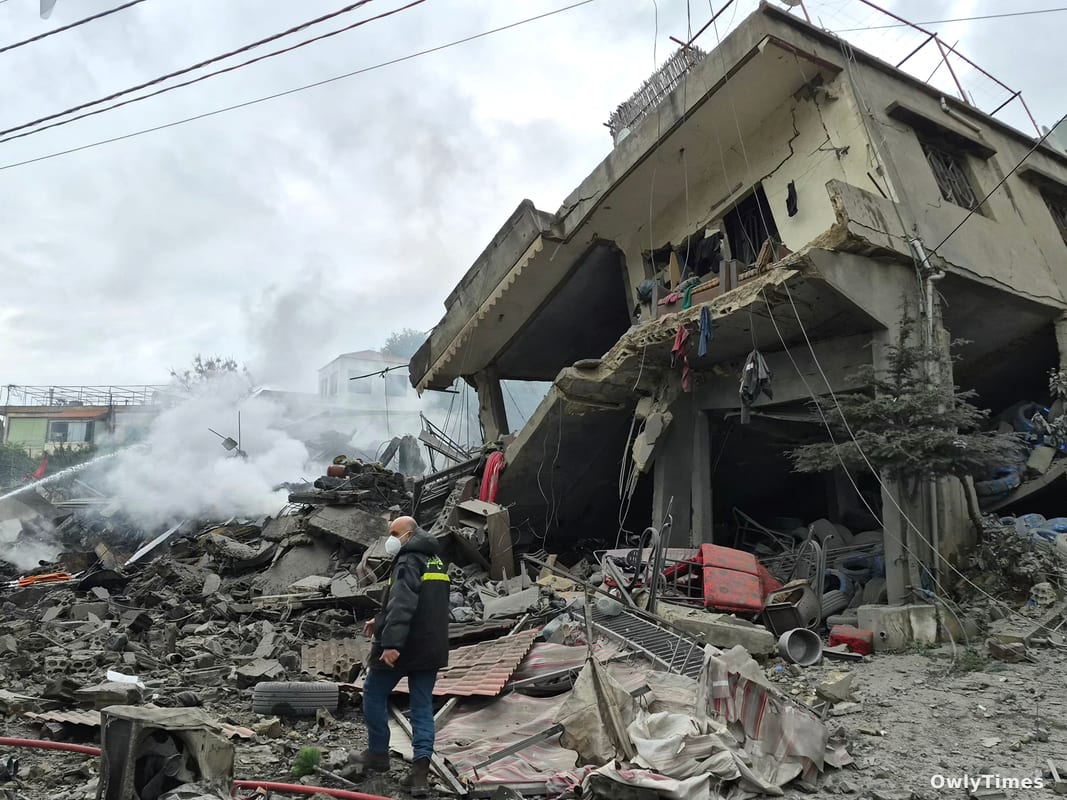

Is the escalating conflict in the Middle East really about nuclear programs and geopolitical strategy? The real story here isn’t a complex chess match between nations – it’s the increasingly brittle assumption that anyone in power understands the actual consequences of their actions. We’re watching a dangerous escalation fueled by demands that feel less like pathways to peace and more like conditions for prolonged suffering, and the average person – whether in Tehran, Tel Aviv, or Topeka – is the one who will ultimately pay the price.
The rejection of President Trump’s 15-point proposal by the Iranian government isn’t a surprise, but the specifics are chilling. While the U.S. offered sanctions relief in exchange for dismantling Iran’s nuclear program, Iran’s counter-demands – war reparations and recognition of sovereignty over the Strait of Hormuz – aren’t negotiating points, they’re escalatory moves. This isn’t a disagreement over policy; it’s a hardening of positions that makes de-escalation exponentially harder. And while the diplomatic posturing continues, Israel’s intent to continue fighting, as reported by NPR’s Daniel Estrin, throws a wrench into any potential ceasefire. The reported plan to ramp up targeting of Iranian arms factories over the next 48 hours isn’t a sign of strength, it’s a signal that cooler heads aren’t currently in control.
Based on the original NPR report.
The situation is further complicated by Israel’s unwillingness to address Iran’s demand for a halt to attacks on Hezbollah in Lebanon. This isn’t a side issue; it’s a core component of Iran’s security concerns. To demand Iran unilaterally disarm a proxy while simultaneously escalating attacks on its infrastructure is a recipe for a wider regional war. And let’s not forget Trump’s consideration of seizing Kharg Island, a move that, according to Caitlin Talmadge of MIT, seems strategically unsound given Iran’s demonstrated resilience. The Pentagon’s deployment of thousands of paratroopers and Marines isn’t a deterrent, it’s a preparation for a conflict that, frankly, no one seems capable of controlling. The fact that Iran has “withstood a large-scale bombing campaign for the past month” and still isn’t buckling suggests that military pressure alone won’t achieve the desired outcome. It will, however, guarantee more civilian casualties and regional instability.
Meanwhile, on a seemingly unrelated front, a California jury’s verdict holding Meta and Google negligent in the case of a woman whose mental health was negatively impacted by social media use is a landmark moment. The $6 million awarded to the plaintiff, Kaley, isn’t about the money; it’s about accountability. For decades, Silicon Valley has operated under the shield of Section 230, largely immune to legal repercussions for the content hosted on their platforms. This case sidestepped that protection by focusing on the features of those platforms – the algorithms, infinite scroll, beauty filters – arguing they are inherently “defective products.” This isn’t just a win for Kaley; it’s a potential crack in the armor of tech giants who have long prioritized engagement over well-being. The separate $375 million judgment against Meta for failing to protect children from online predators further reinforces this shift. While these amounts won’t bankrupt these companies, they signal a growing willingness to hold them responsible for the real-world harm their products inflict.
Adding to the sense of systemic instability, the CDC remains leaderless after 210 days since the ousting of its last director, Susan Monarez. The Trump administration’s plan to install Dr. Jay Bhattacharya as acting director without Senate confirmation is a blatant attempt to circumvent the established process. This isn’t about finding the best person for the job; it’s about consolidating power and undermining the independence of a critical public health agency. The fact that this is happening during a period of ongoing global health challenges is particularly alarming.
Finally, the reports from airports across the country during the DHS shutdown, while largely showing manageable wait times, are a stark reminder of the fragility of essential services. While the lines weren’t the “hourslong” nightmares predicted, the fact that TSA officers were working without pay for over a month is a disgrace. The potential for disruption was real, and the fact that it was largely avoided is a testament to the dedication of those workers, not the competence of the government.
Here’s what to watch for: In the next six months, I predict we’ll see a significant increase in legal challenges against social media companies, mirroring the California case. The argument won’t be about what people post online, but how the platforms are designed to manipulate behavior. This will force a reckoning in Silicon Valley, and the era of unchecked algorithmic power will begin to wane. The question isn’t if these companies will be held accountable, but how much it will cost them to redesign their products for human well-being.





