
$36 Billion at Risk: Dubai’s Economic Foundation Shaken by Escalating Conflict
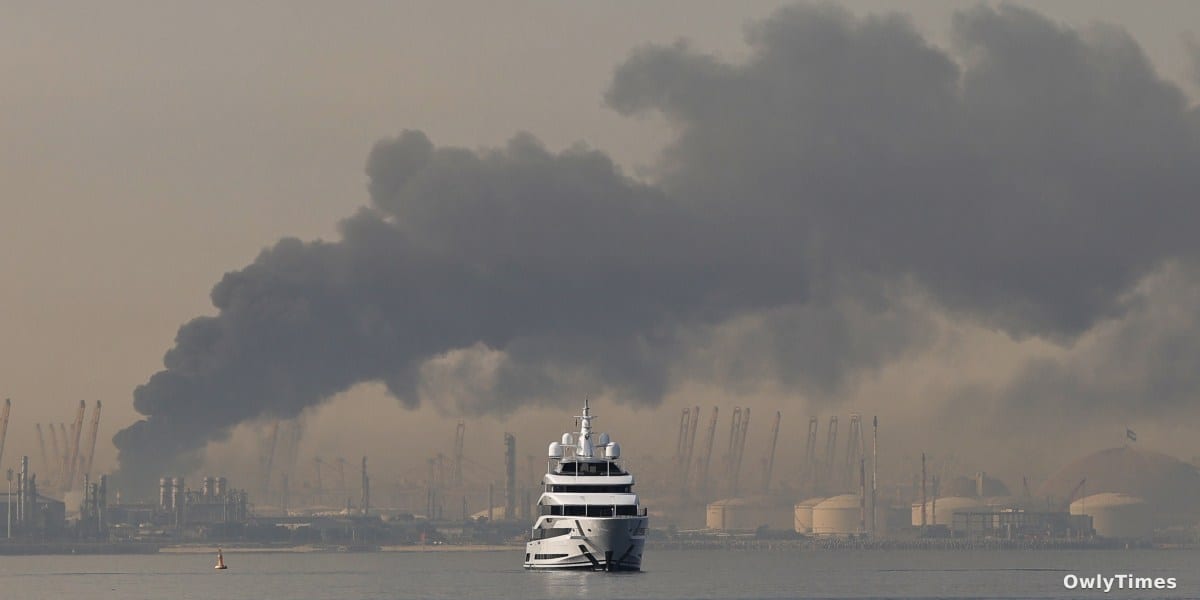
36%. That single figure represents the portion of Dubai’s entire Gross Domestic Product directly tied to the Jebel Ali port and its surrounding free-trade zone. As of today, operations at that critical economic engine are suspended, a direct consequence of recent attacks and a stark illustration of how rapidly geopolitical instability is translating into quantifiable financial risk. The current escalation, triggered by the U.S.-Israel bombing campaign and Iran’s retaliatory strikes, isn’t simply a regional conflict; it’s a stress test for the carefully constructed economic model of the United Arab Emirates, and the results are flashing warning signs for global markets.
Based on the original Fortune report.
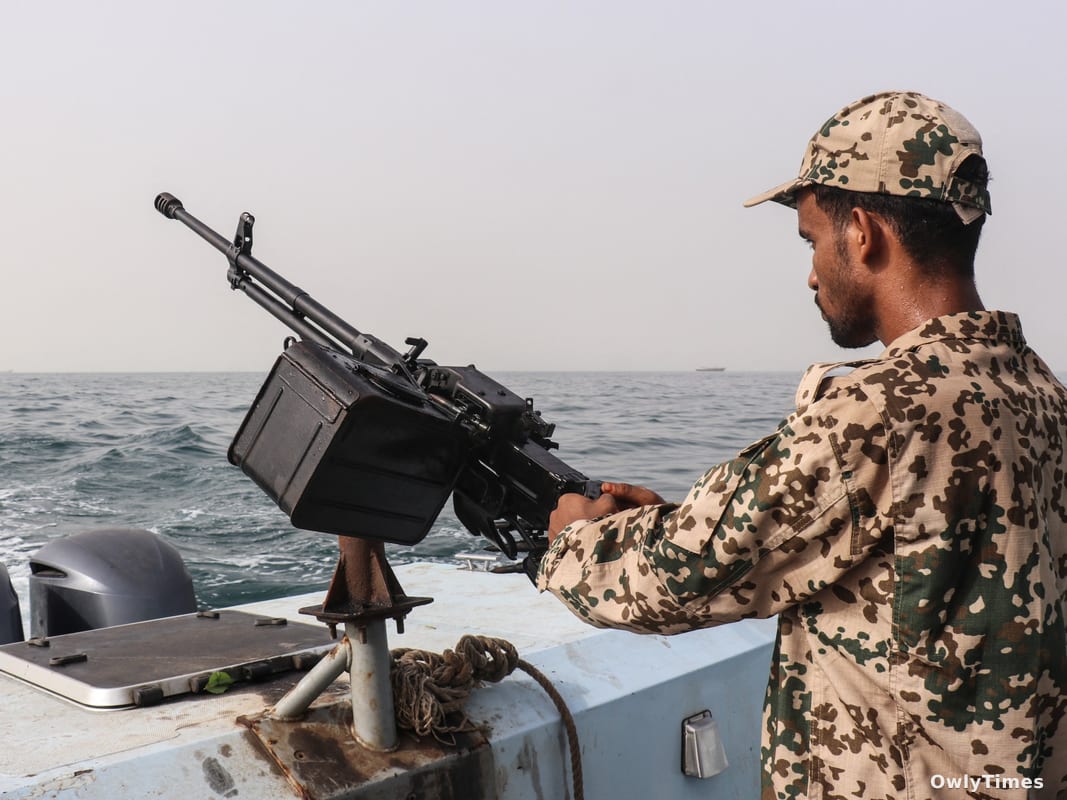
The narrative often focuses on the targeting of U.S. military bases, but “follow the money” reveals a more precise strategy. Iran’s actions are deliberately aimed at inflicting economic pain on allies of the United States – specifically the UAE – in an attempt to pressure the Trump administration. This isn’t about indiscriminate violence; it’s a calculated effort to disrupt the flow of capital and commerce that has made Dubai a haven for finance, tourism, and international trade. The attacks on the Fairmont The Palm Hotel, the near-miss at the Burj Khalifa, and the damage to Etihad Towers in Abu Dhabi aren’t just symbolic; they are attacks on the very symbols of Dubai’s success and perceived safety.
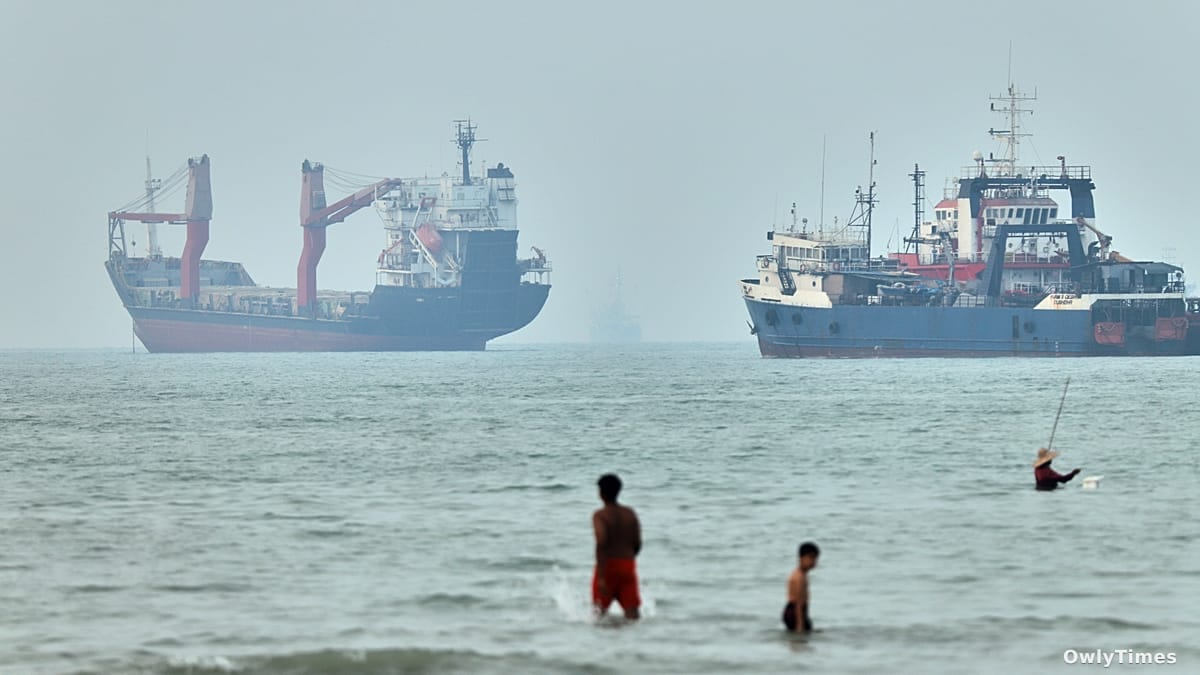
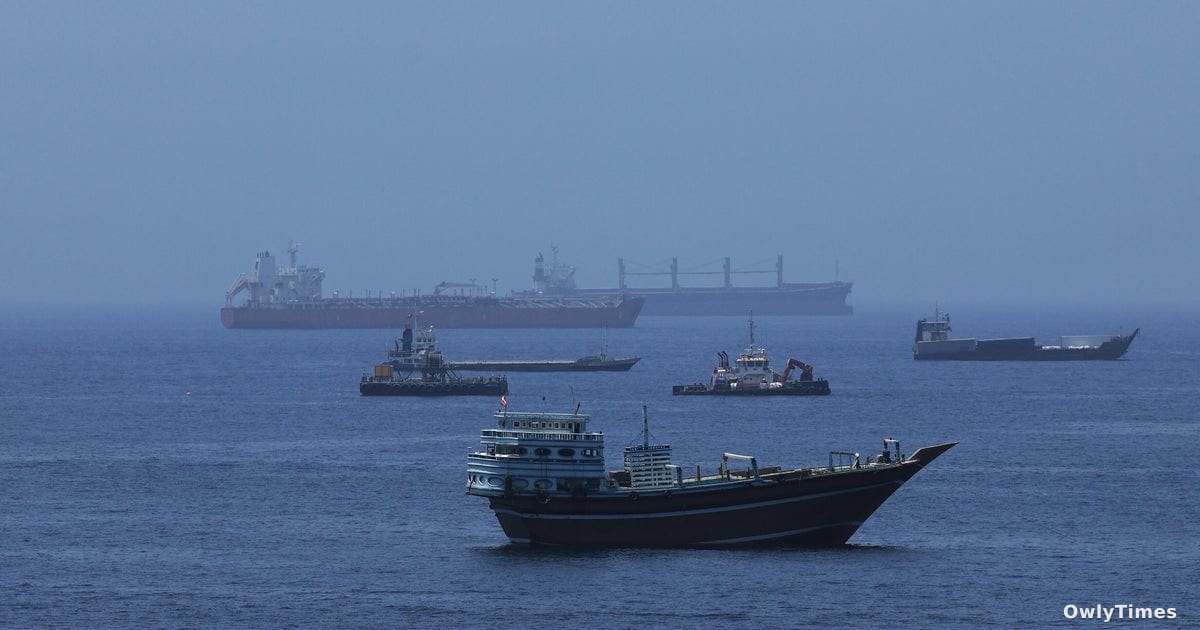
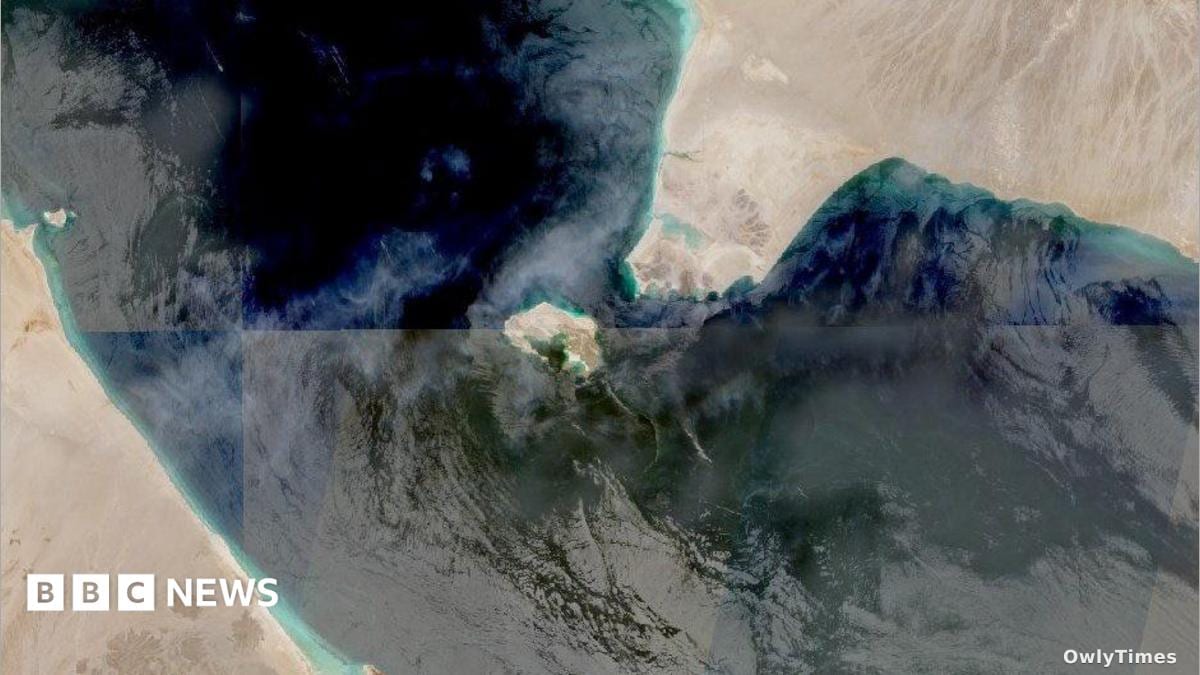
The immediate impact is already visible. Airspace closures across the Gulf, a region rapidly becoming a major global airline hub, are disrupting travel and trade routes. Hundreds of ships have effectively frozen near the Strait of Hormuz, a vital chokepoint for global oil supplies, out of fear of further escalation. This paralysis in shipping alone could trigger significant supply chain disruptions and price increases, extending the economic fallout far beyond the immediate region. The situation dwarfs the 2009-2010 real estate crisis Marko Kolanovic, former chief strategist at JPMorgan, points to, which, while impactful, remained largely contained. Kolanovic’s warning on X – that the UAE’s 88% expat population, coupled with its reliance on tourism, finance, air travel, and shipping, makes it uniquely vulnerable to global shockwaves – is proving prescient.
The vulnerability stems from a fundamental paradox at the heart of Dubai’s success. The city has meticulously cultivated an image of unparalleled safety and stability, attracting a global elite willing to pay a premium for that perceived security. This illusion has been shattered. Reports of panic-buying in supermarkets and a rush to airports signal a growing exodus, raising the critical question of whether these high-net-worth individuals and skilled professionals will return. Cinzia Bianco, a scholar at the European Council on Foreign Relations, succinctly captured the shift, stating on X that there’s “no going back” to the previous status quo. The long-term consequences of a significant expat flight could be devastating, eroding the talent pool and diminishing the very factors that drove Dubai’s economic boom.
The economic stakes are immense. Beyond the 36% GDP contribution of Jebel Ali, Dubai’s entire economic model is predicated on attracting foreign investment and maintaining its status as a safe haven. The current crisis forces a reassessment of that risk profile. While the UAE government is undoubtedly working to mitigate the damage and reassure investors, the underlying geopolitical realities remain. The question isn’t if Dubai will be impacted, but to what extent and for how long.
What this means for your wallet: Watch for increased shipping costs and potential supply chain disruptions in the coming months. More significantly, monitor the movement of capital out of the region. A sustained outflow of investment from Dubai and the UAE could signal a broader shift in global investment patterns, potentially impacting everything from real estate markets to energy prices. The key indicator to watch isn’t just the immediate headlines, but the long-term trend in foreign direct investment into the region – a decline there would be a clear signal that the economic foundations of Dubai are fundamentally shifting.