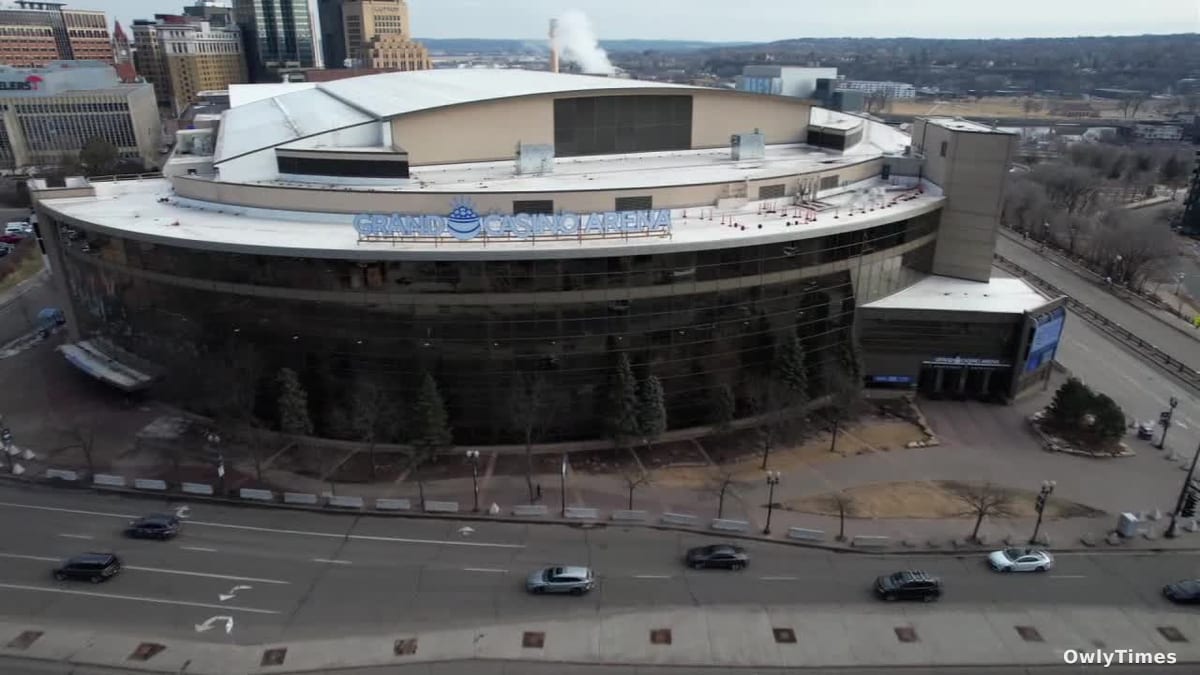

The neon glow of a sold-out arena and the hum of a city center bustling with out-of-town visitors is the modern gold standard for regional economic health. On April 24, 2026, the contrast between Minnesota’s proven ability to host global spectacles and the friction of its legislative process became starkly apparent. While the state has successfully leveraged venues like the Grand Casino Arena in St. Paul and 3M Arena at Mariucci in Minneapolis to draw crowds, the path to securing future events has hit a significant political roadblock.
The Cost of Staying Competitive
The ambition on the table is a $600 million renovation of the Grand Casino Arena, a project designed to keep Minnesota’s infrastructure in the top tier of international bidding. However, the proposal faces a precarious future, with Gov. Tim Walz signaling a lack of optimism regarding the $200 million in state funding required to kickstart the work. Despite expressing support for the vision, the Governor has categorized the request as a "tough lift," citing a notable lack of appetite among lawmakers to sign off on the expenditure.
The stakes are measured in more than just tickets sold. Recent history proves the model works: the World Junior Hockey Championships generated an estimated $75 million in local spending, funneling essential revenue into the hotels, restaurants, and retailers surrounding these major hubs. When the state hosts events like the Big 10 basketball championships or the U.S. Olympic gymnastics trials, the economic ripple effect is immediate and quantifiable. Yet, according to organizers, the inability to secure a consistent, dedicated funding stream has already cost the state approximately $430 million in potential revenue from lost event opportunities.
A Bipartisan Play for Future Bids
The frustration is shared across the aisle, as the current "win-loss" record for hosting duties reveals a troubling trend. While U.S. Bank Stadium is slated for the WWE Summer Slam this August, the state is simultaneously losing ground on repeat business, such as the 2028 Olympic gymnastics trials. Sen. Jeremy Miller, a Republican from Winona, points to a clear contradiction: Minnesota possesses world-class facilities, but lacks the financial agility to enter the bidding wars that define the modern sports economy.
To bridge this gap, a bipartisan group including Sen. Miller and Rep. Matt Norris, a Democrat from Blaine, has introduced a creative fiscal strategy. Their proposed legislation aims to capture the extra state sales tax revenue generated during these massive events and redirect those funds into a dedicated account. This "self-propelling" mechanism is designed to provide Minnesota Sports and Events—the group currently eyeing targets like the Women's FIFA World Cup, the NFL draft, the Women's Rugby World Cup, and the U.S. Figure Skating Championships—the capital necessary to compete with cities like Indianapolis.
The Legislative Horizon
For proponents of the bill, the goal is to transform the state from an occasional host into a perennial powerhouse. John Klinkenberg of Minnesota Sports and Events has made it clear that the ambition is there, but the industry requires a structural change in how it funds its own growth. As the state balances the immediate budgetary realities against the promise of long-term economic returns, the legislative process moves forward. The next reading of the House hearing, scheduled for next week, will serve as the primary indicator of whether the state’s political appetite will finally align with its sporting aspirations.

