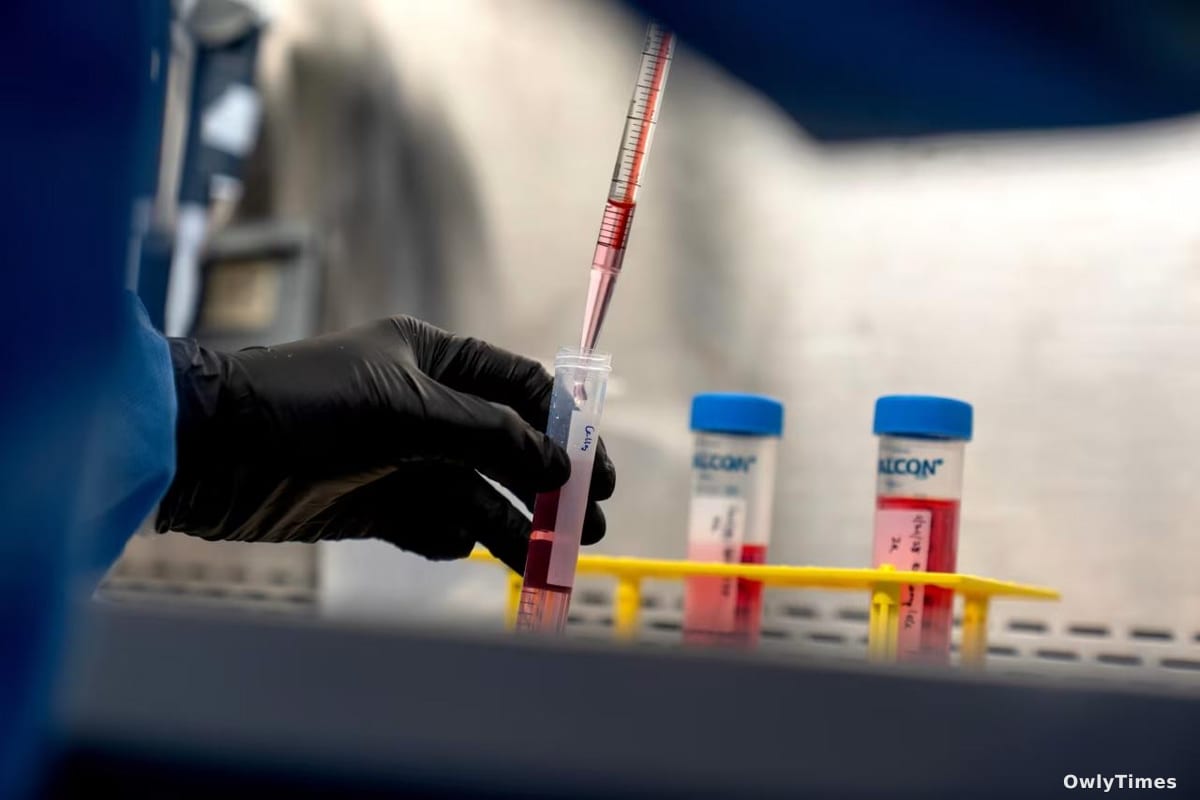

The stability of America’s scientific pipeline relies on a precise synchronization between legislative authorization and agency execution. When Congress approves a budget, it sets into motion a complex machinery of laboratory work, clinical trials, and personnel recruitment that sustains the nation’s innovation economy. However, a widening gap between approved appropriations and actual disbursements is now threatening to stall this progress, creating a precarious environment for long-term discovery.
The Disconnect Between Authorization and Action
On May 21, 2026, Johns Hopkins University President Ron Daniels and University of Kansas Chancellor Douglas A. Girod published an op-ed in The Wall Street Journal highlighting a critical bottleneck in the distribution of federal research funds. While Congress authorized the necessary financial support in February, the flow of resources to academic institutions has slowed to a crawl. This is not merely a bureaucratic delay; it is a fundamental disruption to the cycle of development for life-saving medical treatments and essential agricultural technologies.
The data presented by Daniels and Girod reveals the scale of this shortfall. More than halfway through the current federal fiscal year, the National Institutes of Health (NIH) has released only 33% of the $26 billion it typically awards to universities on an annual basis. The National Science Foundation (NSF) is faring even worse, having allocated just 20% of its standard annual disbursement. These figures represent a stark departure from the operational norms required to sustain high-level scientific inquiry.
Quantifying the Research Stagnation
The impact of this funding lag is most visible in the sharp decline of new research initiatives. According to the authors, new awards from the NIH to universities have plummeted by 46% compared to the previous year. Even more concerning is the 75% reduction in awards specifically earmarked for next-generation scientists, a demographic that represents the future of the American research workforce.
These numbers carry significant weight when placed against the broader economic landscape. NIH research funding is traditionally linked to the support of approximately 400,000 jobs across all 50 states and is responsible for generating more than $94.5 billion in new economic activity annually. When the funding pipeline constricts, the negative externalities extend well beyond university laboratories. Private-sector industries—including biotechnology, semiconductors, and pharmaceuticals—rely on the foundational research that federal agencies facilitate.
Limitations to Consider and Future Outlook
While the op-ed presents a compelling case for immediate administrative action, it is important to recognize that federal disbursement cycles are subject to complex regulatory processes and oversight requirements. The authors argue that by delaying the release of already-approved funds, the government effectively offloads the financial burden onto the private sector and American families, who are forced to wait longer for the arrival of new medical and technological solutions.
The primary limitation in this assessment remains the lack of publicly disclosed internal agency timelines regarding the remaining appropriation releases. Without specific guidance from the NIH or NSF on when these funds will be liquidated, the academic community faces a period of intense uncertainty regarding personnel retention and project continuation. The next reading of the total annual award percentages for both the NIH and NSF will serve as the primary indicator of whether federal agencies are successfully clearing the current backlog or if the scientific research engine will continue to operate at a deficit for the remainder of the fiscal year.