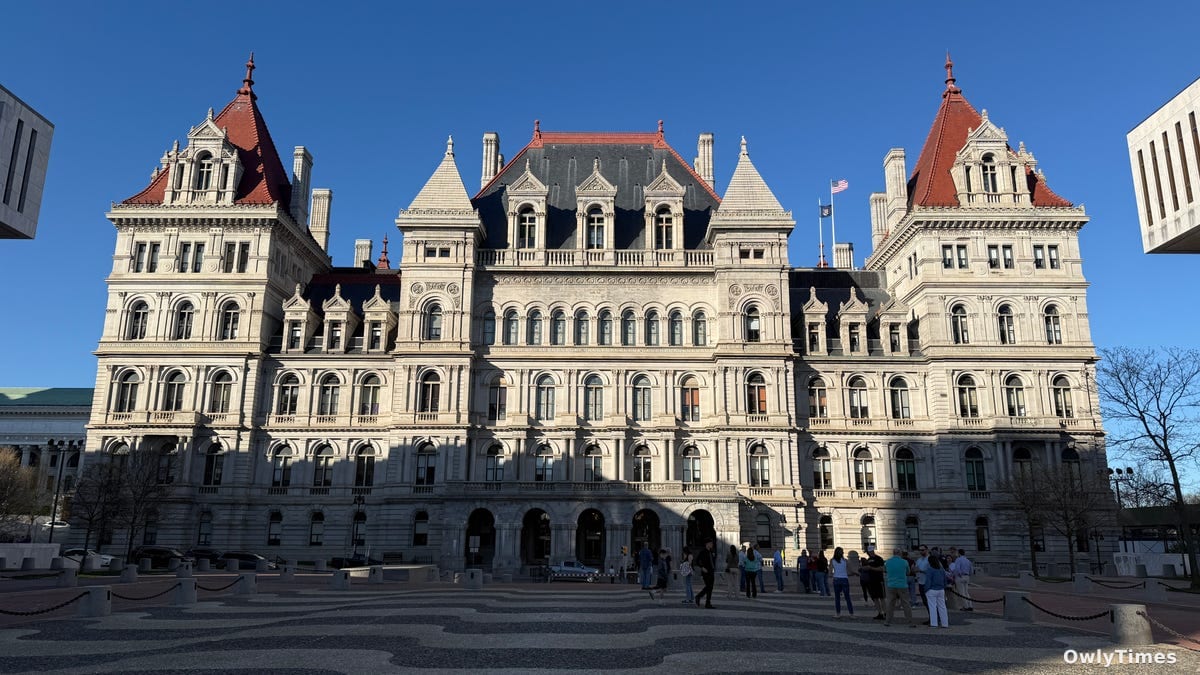

As New York’s state budget negotiations drift nearly four weeks past the April 1 deadline, a significant public health question has emerged from the legislative gridlock: Can the state afford to backfill a massive federal funding gap to prevent nearly half a million residents from losing their health coverage? The stakes involve 460,000 New Yorkers who, as of July 1, are slated to be dropped from the state’s Essential Plan. This program, established in 2015 to provide comprehensive, low-premium care for low-income workers who do not qualify for Medicaid, is currently the subject of a high-stakes tug-of-war between Albany and Washington.
The Gap Between Policy and Reality
The impending loss of coverage is a direct consequence of federal tax and spending legislation enacted last year, which the Fiscal Policy Institute projects will cut national healthcare spending by nearly $1 trillion over a decade. For New York, this resulted in the loss of $7.5 billion in federal funding for the Essential Plan. In an attempt to preserve the program for 1.2 million of its most vulnerable citizens, the administration of Governor Kathy Hochul chose to scale back eligibility.
This decision creates a hard line for those earning between 200% and 250% of the federal poverty level—specifically individuals earning up to $31,920 or families of four earning up to $66,000. While headlines often frame this as a simple bureaucratic adjustment, the reality is a significant coverage cliff. The administration’s pivot assumes that many of these enrollees will transition to employer-sponsored plans or purchase insurance through the state-run Affordable Care Act exchange. Governor Hochul suggested on April 4 that as many as 350,000 people might regain coverage through these alternative routes, though this leaves a substantial gap in the state's safety net.
Legislative Efforts to Bridge the Funding Divide
In response, a legislative proposal has gained traction among state Democrats. The bill, introduced by Senator Gustavo Rivera on March 26 and Assembly member Amy Paulin on April 9, seeks to use state funds to maintain coverage for those caught in the eligibility rollback. The initiative has found broad support, with 38 state senators signing on as co-sponsors.
However, a critical limitation exists within the proposed legislation: the bill does not specify a dollar amount. Because neither the Senate nor the Assembly included this funding in their initial March budget proposals, any allocation would require a last-minute insertion into a budget that is already strained by policy disputes. The Fiscal Policy Institute estimates that a total of $2 billion annually would be required to support both the Essential Plan enrollees and approximately 800,000 residents projected to lose Medicaid coverage due to new federal work requirements.
Differing Views on Fiscal Responsibility
The tension surrounding this funding highlights a fundamental disagreement over state priorities. Congressman Mike Lawler, a Republican from Rockland County who voted for the federal legislation, has argued that the state should reevaluate its own spending before seeking a bailout. Lawler pointed to the state’s $100 million in public campaign financing as a potential source of savings, while maintaining that his party’s federal reforms were intended to root out waste rather than strip benefits from the most vulnerable.
Conversely, state Democrats continue to view the situation as a fiscal crisis triggered by federal policy. As of Friday, April 24, the Governor’s office remained noncommittal, with a spokesperson stating that negotiations are ongoing to reach a budget agreement that "delivers for all New Yorkers." Whether the state will prioritize this $2 billion expenditure will depend on the final language of the budget package. The next reading of the state’s final expenditure plan will indicate whether these 460,000 New Yorkers will retain their state-subsidized access to care or be forced into a private market that may not accommodate their income levels.





