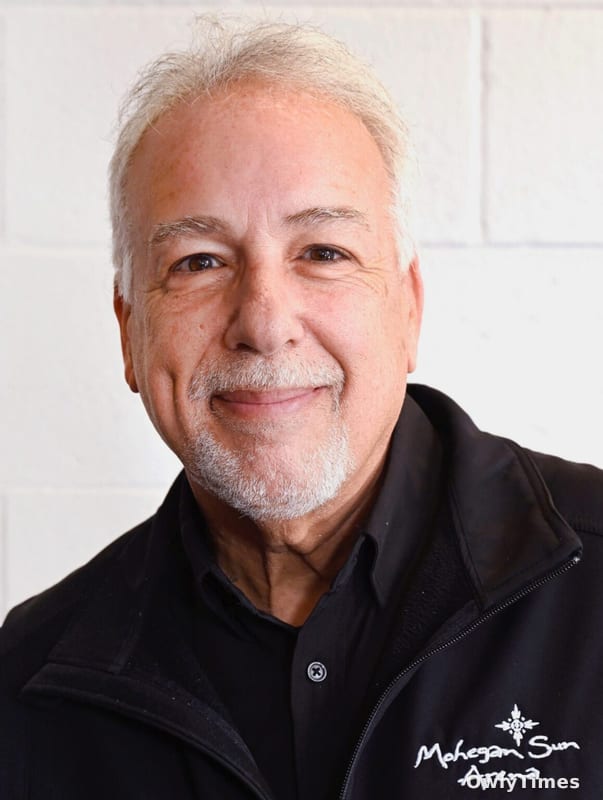

The house lights are dimming on a career that quite literally helped build the modern entertainment landscape. Tom Cantone, the President of Mohegan Sports & Entertainment, is stepping down after four decades spent convincing the biggest names in music – and the world – that casinos weren’t a career dead-end, but a destination. The news, delivered via a characteristically warm and grateful email to colleagues last week, feels less like a retirement announcement and more like the closing of a pivotal chapter in how we experience live events. It’s a shift that resonates far beyond the Mohegan Sun Arena in Uncasville, Connecticut, and the OLG Stage at Fallsview Casino in Ontario; it’s a reflection of a broader industry reckoning with its past and charting a course for a future where the lines between “legitimate” venues and casino showrooms have all but vanished.
Cantone’s impact isn’t measured in ticket sales alone, though those numbers are undeniably impressive. He leaves Mohegan’s venues with a staggering 92 potential deals “in play,” according to a recent Pollstar interview, and a calendar booked “two, three, sometimes four deep on holds” for the coming year. But his true legacy lies in dismantling the perception that playing a casino meant a performer’s star was fading. In the 1980s, when Eddie Murphy was at the peak of his fame – gracing magazine covers and dominating the box office with Beverly Hills Cop – convincing him to play the Sands Copa Room in Atlantic City was a radical act. “Back in the days when a contemporary artist wouldn’t even think of playing a casino showroom,” Cantone recalled to Pollstar, it was a battle against industry snobbery. He was, as he put it, “an army of one.”
This wasn’t simply about booking a big name; it was about changing the narrative. Casinos, historically viewed as a last stop for established acts, were repositioned as premier destinations. Cantone understood that the key wasn’t to apologize for the casino setting, but to elevate it, to make it desirable. He didn’t just book talent; he cultivated relationships, becoming a friend and advocate for artists who were hesitant to embrace the casino circuit. This strategy, born in the glitzy, often-overlooked world of Atlantic City, would become the blueprint for Mohegan Sun’s success. The arena, with a 10,000-person capacity, now consistently ranks among the top venues in the world, drawing acts that once wouldn’t have given it a second glance. In 2023, the top 100 arenas worldwide grossed $2.28 billion, according to Pollstar, a 17.8% increase from 2022. Mohegan Sun Arena consistently contributes significantly to those figures, a testament to Cantone’s vision.
Based on the original news.pollstar.com report.
The Human Cost of a High-Roller Industry
But beyond the business deals and the star power, Cantone’s departure also highlights the often-invisible human toll of a demanding industry. His email, brimming with gratitude towards “thousands of people along the way,” hints at the relentless pace and the countless negotiations required to build and maintain a venue’s reputation. The “FFL Club” he mentions – a group of close colleagues – speaks to the tight-knit community forged in the pressure cooker of live entertainment. The industry, while glamorous on the surface, relies on a network of dedicated professionals working behind the scenes, and Cantone’s acknowledgement of their contributions is a rare and welcome gesture. It’s a reminder that even the most successful venues aren’t built on talent alone, but on the tireless efforts of a team.
A Legacy of “Putting People First”
Cantone’s mantra, “Put People First,” wasn’t just a feel-good slogan; it was a guiding principle that shaped his approach to both talent and staff. He understood that fostering strong relationships, built on mutual respect and trust, was essential for long-term success. This philosophy stands in stark contrast to the often-cutthroat nature of the entertainment industry, where deals are frequently driven by profit margins and short-term gains. His emphasis on loyalty and collaboration created a culture at Mohegan Sun that attracted and retained top talent, both on stage and off. This focus on human connection, in an industry increasingly dominated by data analytics and algorithmic predictions, feels particularly poignant.
What Happens Now? The Future of Casino Entertainment
David Martinelli, Mohegan’s chief marketing officer, will now oversee the events calendar, inheriting a remarkably robust schedule. But the question isn’t simply about maintaining the status quo; it’s about navigating the evolving landscape of live entertainment. The post-pandemic era has seen a surge in demand for live experiences, but also a growing awareness of artist rights and fair compensation. The recent SAG-AFTRA and WGA strikes underscored the need for a more equitable distribution of revenue in the entertainment industry, and these demands will inevitably trickle down to the concert and events sector. Will Mohegan Sun, under new leadership, continue to prioritize artist relationships and fair practices? Will they adapt to the changing expectations of both performers and audiences?
The industry is watching closely. Tom Cantone didn’t just book shows; he built a bridge between two worlds, proving that casinos could be destinations for world-class entertainment. The challenge now is to ensure that bridge remains strong, and that the legacy of “putting people first” continues to resonate in the years to come. The real test won’t be filling the calendar, but in upholding the values that made Mohegan Sun Arena a success story in the first place – and whether the next generation of leaders can navigate the complexities of a rapidly changing industry while staying true to those principles.