
The Echo of Violence: Parsing Safety in Chicago’s Medical District
The news cycle often presents tragedy as isolated incidents, but the events of February 3rd and, subsequently, February 21st, 2026, in Chicago’s Near West Side demand a more nuanced understanding. While initial reports focused on the fatal shooting of Shawnquanice Q. Kimbrough, a 34-year-old woman on her way to a UI Health appointment with her infant, the subsequent discovery of the suspect’s death, and the concurrent shooting at a nearby White Castle, paint a picture of escalating instability – and raise critical questions about the perceived safety of essential healthcare access points. It’s not simply that a shooting occurred; it’s that it occurred where it occurred, and so soon after another violent act in the same vicinity. This isn’t a failure of individual security, but potentially a symptom of broader systemic pressures.
Source material: abc7chicago.com.
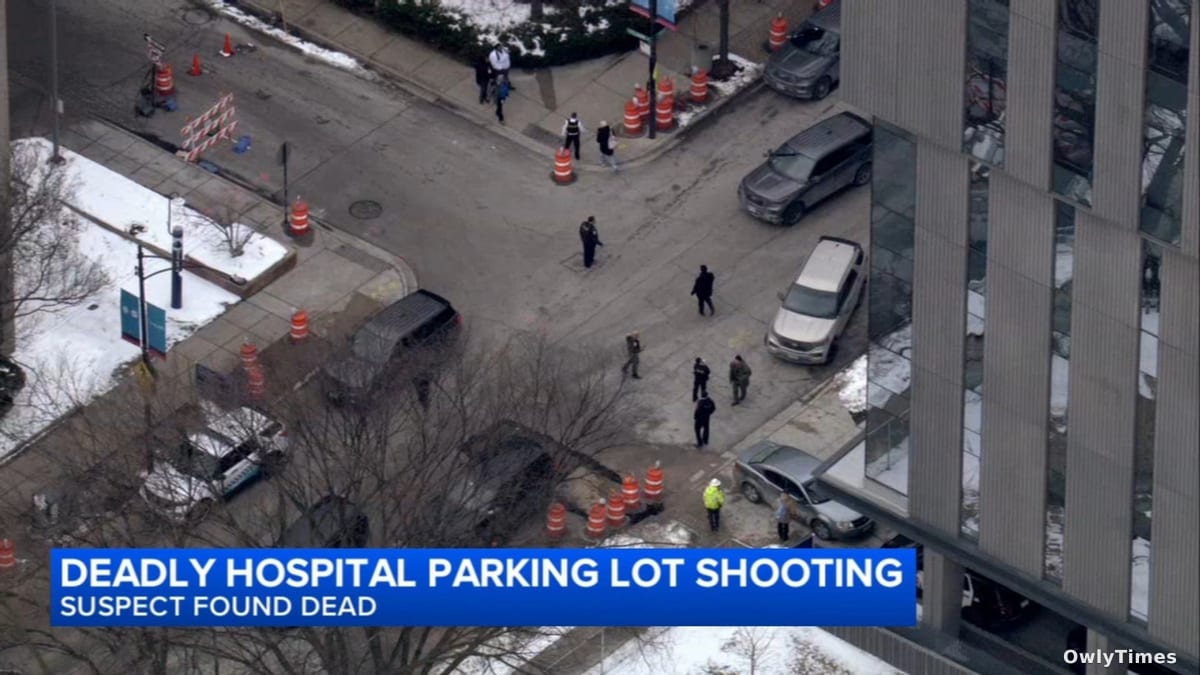
The initial incident, as reported by ABC7 Chicago, unfolded just after 1:30 p.m. on February 3rd within the 1100 South Wood Street parking structure, part of the University of Illinois-Chicago campus. Kimbrough was fatally shot, but thankfully, her child remained unharmed. What’s crucial to understand is that investigators with UIC confirmed the suspect had no affiliation with the university. This detail, often lost in initial headlines, shifts the focus away from potential internal threats and towards the broader context of city-wide violence impacting even ostensibly secure locations. The subsequent finding of the suspect deceased on February 21st, while closing UIC’s internal investigation, offers no immediate answers regarding motive, and the manner of death remains unclear. This lack of clarity is unsettling, and underscores the limitations of relying solely on reactive investigations.
Beyond Headlines: The Statistical Context of February’s Violence
The immediate aftermath saw a surge in police presence, particularly on the third level of the Wood Street Parking Structure. However, the simultaneous shooting at the nearby White Castle, also prompting a “large police response,” highlights a critical point: increased police visibility is a response to violence, not necessarily a preventative measure. Chicago has, for years, grappled with gun violence, and while city-wide statistics fluctuate, the concentration of incidents in specific areas – like the Near West Side – consistently draws concern. While comprehensive February 2026 crime statistics aren’t yet available, data from 2025 showed a 12% increase in reported shootings in the Medical District compared to 2024, a trend that, if continued, would place 2026 on track for further escalation. It’s important to note that these are preliminary figures, and subject to revision, but they provide a crucial backdrop against which to view these recent events. The narrative isn’t simply about two isolated shootings; it’s about a potential pattern of increasing risk.
UIC’s Response and the Limits of Institutional Control
UIC officials released a statement expressing condolences to Kimbrough’s family and friends, and formally closed their internal investigation. This response, while appropriate, is largely procedural. The university’s control extends to its property, but not to the surrounding environment. The fact that the suspect had no affiliation with UIC underscores this limitation. Institutions like UIC can invest in security measures – enhanced lighting, security personnel, surveillance systems – but they cannot eliminate the external factors contributing to violence. The university’s statement, while empathetic, doesn’t address the larger question of how to ensure the safety of patients and visitors accessing vital healthcare services in a high-risk area. This isn’t a criticism of UIC’s response, but a recognition of the inherent challenges faced by institutions operating within complex urban environments.
Limitations to Consider: Data Gaps and the Challenge of Causation
It’s vital to acknowledge the limitations of the information currently available. The lack of a confirmed motive in the Kimbrough shooting, and the ambiguity surrounding the suspect’s death, hinder a comprehensive understanding of the events. Furthermore, establishing a causal link between broader city-wide trends in gun violence and these specific incidents is methodologically challenging. Correlation does not equal causation. While the proximity of the two shootings on February 3rd is striking, it doesn’t necessarily indicate a coordinated attack or a single underlying cause. The “Interactive Safety Tracker” provided by ABC7 Chicago is a valuable resource, but relies on reported incidents, and may not capture the full extent of criminal activity.
The Future of Safety: Proactive Strategies and Community Collaboration
The next crucial research steps involve a multi-faceted approach. Firstly, a thorough analysis of crime data in the Near West Side, extending beyond shooting incidents to include other forms of violence and property crime, is needed to identify specific risk factors and patterns. Secondly, a collaborative effort between UIC, local law enforcement, and community organizations is essential to develop proactive safety strategies. This could include increased foot patrols, community outreach programs, and improved lighting and surveillance in vulnerable areas. Finally, and perhaps most importantly, addressing the root causes of violence – poverty, lack of opportunity, and systemic inequality – requires long-term investment and commitment. The question we should be asking now isn’t simply if another incident will occur, but when, and what concrete steps are being taken to mitigate that risk – not just within the confines of the UIC campus, but across the entire Medical District. Will future safety initiatives focus solely on reactive security measures, or will they prioritize preventative strategies that address the underlying social and economic factors contributing to violence?