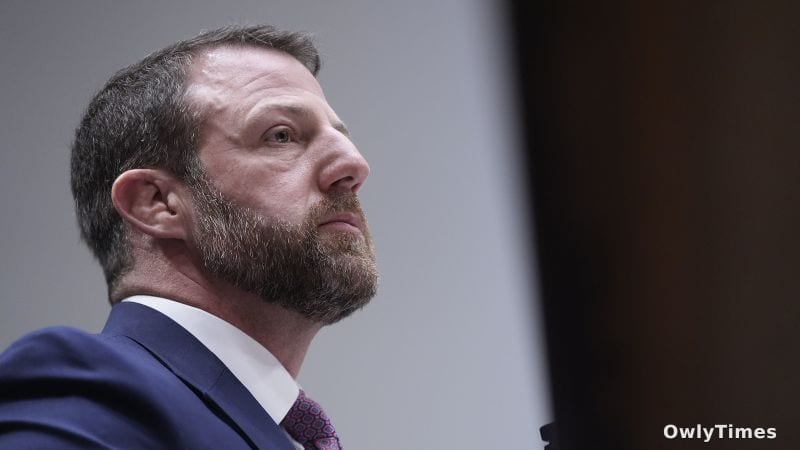

The confirmation of Markwayne Mullin as the next Secretary of Homeland Security isn’t simply about filling a vacant position; it’s a calculated move by the Trump administration to consolidate control over the narrative surrounding border security and, crucially, to break the deadlock in ongoing funding negotiations. The timing – less than three weeks after ousting Kristi Noem and with the DHS operating under a continuing resolution since February 14th – reveals a strategic impatience. The administration is signaling a willingness to accept a degree of internal Republican dissent, as evidenced by Rand Paul’s “no” vote, in exchange for a Secretary perceived as more directly aligned with enacting the President’s immigration policies.
The 54-45 vote, punctuated by the surprising support of Democratic Senators John Fetterman and Martin Heinrich, underscores the complex power dynamics at play. Heinrich’s rationale – that Mullin “isn’t someone who can simply be bullied” – is a thinly veiled acknowledgement of the administration’s frustration with Noem’s perceived self-promotion and inability to effectively navigate congressional pressure. This isn’t a search for consensus, but for a Secretary capable of imposing a solution, even if it means alienating moderate Republicans like Paul, who openly questioned Mullin’s temperament and past inflammatory rhetoric. The benefit accrues to the White House, gaining a loyalist at the helm of a critical agency during a politically sensitive shutdown. The loss falls to congressional norms of collegiality and, potentially, to any hope of a bipartisan compromise on immigration policy.
The departure of Noem was precipitated by the fatal shootings of Alex Pretti and Renee Good in Minnesota, incidents that ignited Democratic demands for stricter oversight of ICE enforcement tactics. Mullin’s initial response to the shootings – labeling Pretti a “deranged individual” – immediately drew criticism, a misstep he later acknowledged and apologized for during his confirmation hearing. However, this apology, while strategically necessary, doesn’t erase the underlying alignment with Trump’s hardline stance on immigration. More telling is Mullin’s stated intention to shift ICE’s role from “front line” enforcement to primarily transportation, coupled with a pledge to require judicial warrants for entering private property. This appears to be a calculated concession, designed to appease Democrats while still maintaining a robust enforcement apparatus. It’s a move reminiscent of the Reagan administration’s strategy of offering symbolic concessions on Central American policy to secure congressional funding for the Contras, masking a continued commitment to a broader, more aggressive agenda.
The unusual support from Democrats like Fetterman and Heinrich isn’t born of ideological alignment, but of pragmatic calculation. Both senators have established working relationships with Mullin from their time in the House, and see him as someone who, despite his conservative views, is willing to engage in direct communication. Heinrich’s comment about Mullin not being “bullied” suggests a belief that he will resist pressure from the White House to escalate enforcement tactics beyond what is legally permissible. This is a gamble, predicated on the assumption that personal relationships can outweigh political imperatives. The historical parallel here lies with Lyndon B. Johnson’s ability to leverage personal connections with Southern Democrats to advance his civil rights agenda, a strategy that ultimately proved unsustainable as the political landscape shifted.
Original reporting: CNN.
Mullin’s background as a bridge-builder between the House and Senate Republican conferences is also a key factor in his selection. The administration clearly values his ability to manage internal party dynamics, a skill honed through years of navigating the often-fractious world of conservative politics. This is particularly important given the ongoing shutdown and the need to secure a funding agreement that can pass both chambers of Congress. However, the shadow of allegations regarding “stolen valor” – stemming from Mullin’s descriptions of participating in military training exercises – and his documented “anger issues” raise questions about his judgment and leadership style. These concerns, while largely dismissed during the confirmation process, could resurface as he faces the immense pressures of leading DHS.
The political chess move to watch next isn’t simply whether Mullin can end the shutdown, but whether he can leverage his position to fundamentally reshape ICE’s operational procedures. Will he genuinely pursue the warrant requirement for entering private property, or will it become a procedural hurdle easily circumvented? The answer will reveal whether this confirmation was a genuine attempt at compromise, or merely a tactical maneuver to consolidate power and advance a predetermined agenda.





