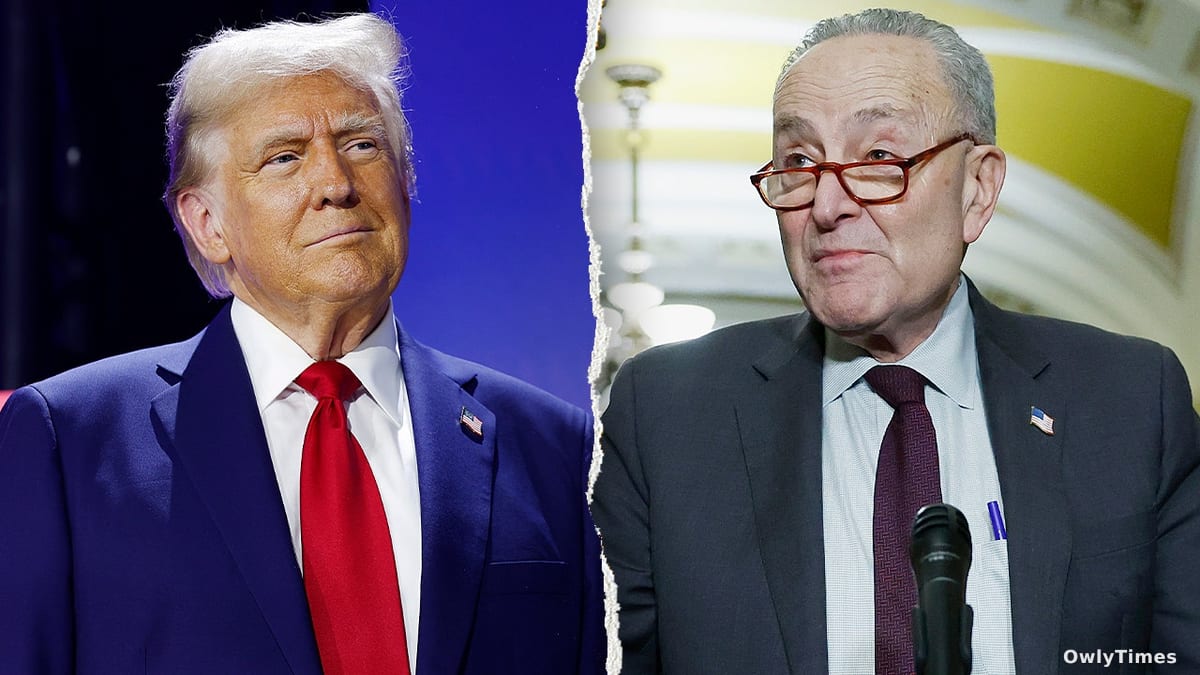

The Strategic Slip-Up: DHS Funding as a Pressure Point
The immediate fallout from Chuck Schumer’s momentary call to “fund ICE” – quickly corrected to “fund TSA” – is being framed as a gaffe, and predictably seized upon by Donald Trump for political points. However, the incident isn’t simply a matter of verbal missteps; it’s a revealing symptom of a deeper strategic calculus at play in the ongoing Department of Homeland Security (DHS) funding impasse. The momentary slip exposes the precarious position Democrats find themselves in, attempting to leverage a narrowly defined security concern – TSA staffing – against a broader political landscape increasingly defined by national security anxieties, particularly regarding Iran. This isn’t about airport wait times; it’s about who controls the narrative on security, and who appears willing to compromise it.
Based on the original Fox News report.
The current standoff centers on DHS funding, which lapsed on February 13th, and the Democrats’ insistence on separating funding for the Transportation Security Administration (TSA) from the rest of the department. This tactic followed an agreement in February to fund most of the government while withholding funds from DHS, a move directly linked to the fatal shootings of two anti-ICE protestors in Minnesota by immigration authorities. The Democrats’ strategy is clear: isolate the most publicly visible consequence of the funding lapse – airport delays impacting everyday travelers – and force a Republican concession. However, John Thune, the Senate Majority Leader, has repeatedly stated the only viable solution is full DHS funding, framing the Democrats’ approach as a dangerous game of “picking and choosing” when national security is at stake, especially given escalating tensions with Iran. The Republicans are effectively raising the stakes, arguing that a fragmented approach to DHS funding weakens overall national security posture.
The TSA Gambit and the Iran Factor
The Democrats’ focus on TSA funding isn’t accidental. The agency’s visibility makes it a potent political tool. As airlines anticipate a record-breaking spring travel period – 171 million passengers, a 4% increase year-over-year – any disruption is immediately felt by a large segment of the population. This creates pressure on Republicans to appear responsive to constituent concerns. However, the Republicans are countering by linking DHS funding to the broader geopolitical context. The repeated references to strikes on Iran, and the assertion that full DHS funding is “vital to American national security amid strikes on Iran,” are deliberate. They are attempting to reframe the debate, shifting the focus from domestic travel inconveniences to a more serious threat perception. This is a classic political maneuver: elevating the perceived stakes to justify a less palatable position. The failed votes – a Republican proposal for full DHS funding blocked by Bernie Moreno, and a Democratic proposal for separate TSA funding also blocked – demonstrate the depth of the impasse.
Historical Echoes: Government Shutdowns as Leverage
This situation isn’t unprecedented. The use of government shutdowns as a bargaining chip has become a recurring feature of American politics, particularly in recent decades. The 2013 government shutdown, triggered by disagreements over the Affordable Care Act, and the 2018-2019 shutdown, the longest in US history, both centered on leveraging funding bills for broader policy objectives. What distinguishes the current situation is the added layer of international security concerns. The Iran factor introduces a level of urgency and risk that wasn’t present in previous shutdowns. The historical parallel isn’t simply about the tactic of a shutdown, but about the strategic use of perceived crises to achieve political ends. Trump’s consistent reminders that ICE funding wasn’t impacted by previous shutdowns – referencing the “One Big Beautiful Bill Act” – underscores his understanding of this dynamic: control the funding, control the narrative.
Who Benefits and Who Loses?
Currently, the Republicans appear to be gaining the upper hand in shaping the narrative. By successfully linking DHS funding to national security, they are forcing Democrats to defend a position that could be portrayed as prioritizing domestic convenience over broader security concerns. Airlines, facing potential disruptions during peak travel season, are also losing out, and are likely applying pressure on both parties to find a resolution. The American public, facing potential travel delays and heightened security anxieties, is the ultimate loser in this political game. Schumer’s slip-up, while seemingly minor, reinforces the perception of Democratic disarray and weakens their negotiating position. The Democrats’ attempt to isolate TSA funding has backfired, allowing Republicans to portray them as obstructionist and unwilling to address broader national security needs.
The political chess move to watch next is Susan Collins’ and Katie Britt’s negotiations. Their ability to forge a compromise that addresses both Democratic concerns about oversight and accountability within DHS, and Republican demands for full funding, will determine whether this standoff escalates or de-escalates. Specifically, will they be able to craft a funding package that includes provisions for independent investigations into the Minnesota shootings, while simultaneously satisfying Republican concerns about border security and counterterrorism efforts? The answer to that question will reveal whether this is a genuine attempt at compromise, or simply a continuation of political brinkmanship.





