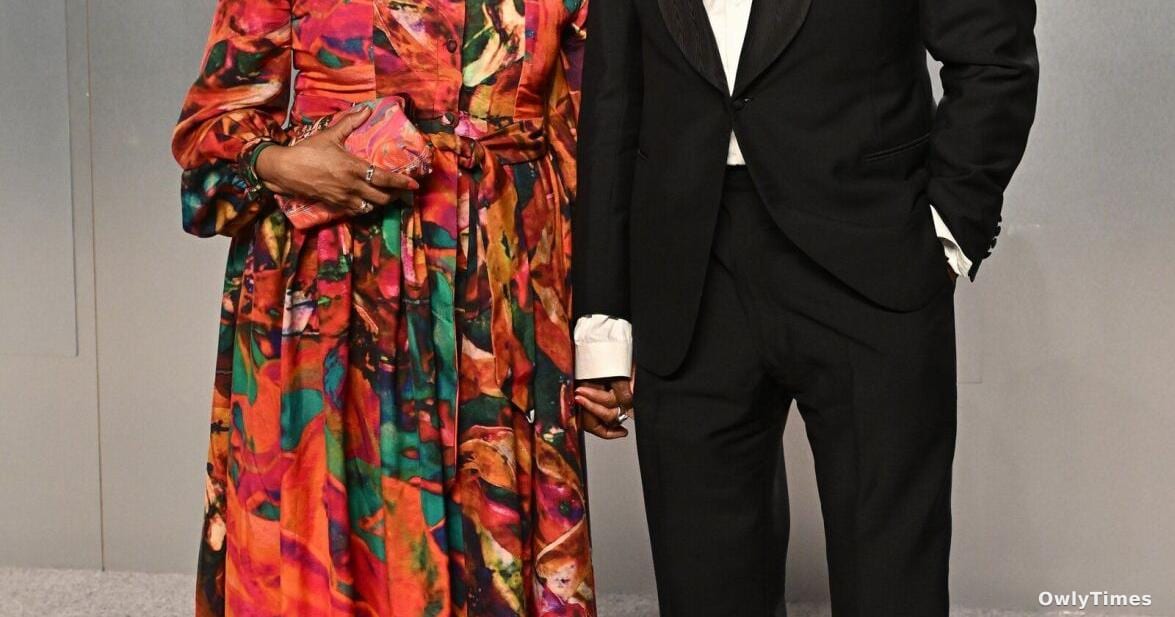

The flashbulbs popped, reflecting off a riot of color, but my eyes kept returning to one image from the Vanity Fair after-party: Nashormeh N. R. Lindo, radiant in a dress that felt like a celebration in fabric, standing beside her husband, Delroy Lindo. It wasn’t just a beautiful gown; it was a quiet act of defiance, a vibrant statement made amidst an evening often dominated by predictable glamour and carefully curated brand partnerships. While the Oscars themselves are a spectacle of Hollywood’s power, the after-parties reveal something more telling – who actually feels comfortable, who dares to stand out, and what stories get lost in the shuffle. This year, that story felt particularly resonant, speaking to a shift in how Black artistry and joy are being presented, and received, within the industry.
A Dress Beyond the Red Carpet
The initial reaction online was simple admiration. “Absolutely smashing,” one commenter wrote, echoing the sentiment that quickly spread across social media. The dress – a bold, patterned creation – wasn’t subtle. It wasn’t aiming for the minimalist chic favored by many A-listers. It was more. More color, more texture, more personality. And that, in itself, is a significant departure. For decades, Black celebrities navigating the Oscars have faced an unspoken pressure to conform to a certain aesthetic – one that often prioritizes assimilation over authentic self-expression. The expectation to be “palatable” has been a persistent, if rarely discussed, hurdle. Nashormeh Lindo’s choice felt like a deliberate rejection of that expectation. It wasn’t about making a political statement, necessarily, but about simply being, fully and unapologetically, in a space that historically hasn’t always welcomed that kind of freedom.
Reporting from yakimaherald.com informs this analysis.
This isn’t to say that Black designers and celebrities haven’t made waves at the Oscars before. Lupita Nyong’o’s consistently stunning and culturally-rooted looks, for example, have been widely celebrated. But there’s a difference between a carefully chosen designer collaboration (often with a major fashion house) and a look that feels deeply personal and self-styled. The Lindo’s presentation felt less about showcasing a brand and more about showcasing themselves. Delroy Lindo’s own subtle shift – trading his polka-dot cravat for a more relaxed vibe while retaining the playful pocket square – underscored this sense of comfortable authenticity. It was a couple choosing to enjoy the moment on their own terms, a small but powerful act of self-determination.
The Weight of Representation and "Sinners"
The context of Delroy Lindo’s nomination for “Da’Vine Joy Randolph’s” supporting role in “Sinners” adds another layer to this observation. The film itself, a poignant exploration of grief and faith within the Black community, was largely overlooked by the Academy, receiving only one nomination despite critical acclaim. This isn’t a new phenomenon; studies consistently show that films centered on Black stories are often underrepresented in major award categories. The lack of broader recognition for “Sinners” highlights the systemic biases that continue to plague Hollywood, even as the industry publicly proclaims its commitment to diversity and inclusion.
The pressure on nominees from underrepresented groups is immense. They aren’t just representing themselves; they’re carrying the weight of an entire community, expected to navigate the awards season with grace and dignity while simultaneously advocating for greater representation. In that environment, a moment of genuine joy and self-expression, like the Lindos’ after-party appearance, feels particularly significant. It’s a reminder that even within a system that often demands conformity, there’s still room for individuality and celebration. The fact that this moment resonated so strongly online – generating genuine enthusiasm rather than the usual cynical commentary – speaks to a growing desire for authenticity and a rejection of the manufactured perfection that often defines Hollywood.
Beyond the Gowns: A Cultural Reset?
The attention given to Nashormeh Lindo’s dress isn’t simply about fashion; it’s about a cultural shift. It’s about a growing demand for Black joy to be celebrated without apology, for Black artistry to be recognized on its own terms, and for Black individuals to feel empowered to express themselves authentically, even in spaces that haven’t always been welcoming. The 2024 Oscars, while still imperfect, saw a record number of Black winners, signaling a potential turning point. But true change requires more than just awards; it requires a fundamental shift in the narratives that are told, the stories that are valued, and the people who are given the opportunity to tell them.
What happens next is crucial. Will this moment – this small, beautiful act of self-expression – be a catalyst for greater authenticity and inclusivity within the industry? Or will it be relegated to a fleeting moment of online admiration, quickly overshadowed by the next red carpet spectacle? The industry needs to watch closely: the audience is clearly signaling a desire for more than just representation; they want revelation. They want to see Black joy, Black style, and Black stories celebrated in all their complexity and glory, not just when it fits neatly into a pre-defined box.