
The air in the Fiserv Forum felt different last Thursday, even with the Milwaukee Bucks back on the court. It wasn’t the usual playoff intensity, but a strange, muted energy – a concession. Giannis Antetokounmpo still threw down thunderous dunks, but the overall impression was…off. It wasn’t about winning or losing; it was about strategically not winning enough. This isn’t a story about basketball anymore; it’s a symptom of a broken system, and the NBA’s stretch run is about to reveal just how deeply that fracture runs. We’re entering a six-week period where a significant portion of the league is actively incentivized to lose, and the consequences will ripple far beyond the lottery odds.
The Calculated Loss: A League Divided
The trade deadline has passed, the All-Star festivities are over, and the reality is setting in: for nearly a third of the NBA, the goal isn’t a playoff berth, but a better draft pick. Jasmyn Wimbish’s reporting identifies six teams – the Washington Wizards, Indiana Pacers, Brooklyn Nets, Sacramento Kings, Utah Jazz, and Dallas Mavericks – as being fully committed to “tanking,” a term that feels increasingly sanitized for what is essentially a calculated effort to undermine competitive integrity. Adding the Grizzlies and, increasingly, the Bucks to that list brings the total to eight, a staggering number that fundamentally alters the landscape of the remaining 26-29 games for every team. This isn’t about a few bad teams having a rough patch; it’s a deliberate strategy, fueled by a draft system that rewards failure. The Mavericks’ gamble last year, losing to the Memphis Grizzlies to secure a lottery pick that landed them Cooper Flagg, is now a blueprint.
Playoff Races Distorted by Intentional Weakness
The impact isn’t isolated to the bottom of the standings. Contenders are now navigating a minefield of opponents who are actively trying to lose, creating a bizarre dynamic where “guaranteed wins” are suddenly far from certain. In the Eastern Conference, the Boston Celtics hold a narrow lead over the Knicks and Cavaliers, but their path to securing the top seed is significantly easier than their rivals’. Boston has just four remaining games against tanking teams, while the Knicks face eight and the Cavaliers a daunting nine. That disparity, seemingly small on paper, could be the difference between home-court advantage and an early playoff exit. The Philadelphia 76ers, with nine games against teams prioritizing the lottery, are in a similar position. This isn’t just about schedule strength; it’s about the psychological advantage – or disadvantage – of playing teams with fundamentally different motivations.
Original reporting: CBS Sports.
Beyond the Lottery: The Erosion of Competitive Spirit
The conversation around tanking often centers on the draft lottery, and the allure of landing a potential franchise player. But the deeper issue is the erosion of competitive spirit. When teams openly prioritize losing, it devalues the efforts of those genuinely striving for success. The Sixers’ decision to lose 29 of their final 33 games last season, yielding VJ Edgecombe, is presented as a “no-brainer” – a coldly rational calculation. But what message does that send to players, coaches, and fans? It suggests that the pursuit of excellence is secondary to long-term rebuilding, and that the integrity of the game is expendable. This isn’t simply a matter of teams making shrewd business decisions; it’s a systemic problem that undermines the very foundation of professional sports.
The West Coast Gamble: A Tight Race Complicated by Tanking
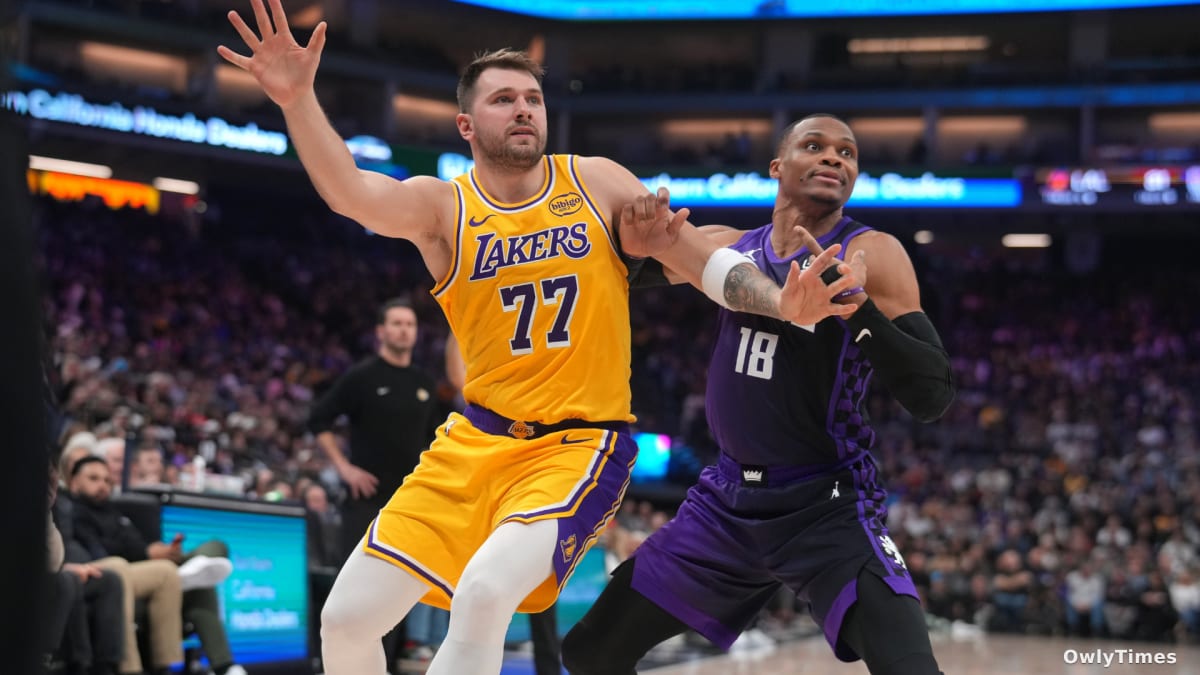
The Western Conference presents a similar, if even more fraught, scenario. The Lakers and Timberwolves are locked in a tight battle for playoff positioning, but the Lakers have three more opportunities to face tanking opponents than Minnesota. The Suns, two games back of the Timberwolves, have two additional “easy” wins on their schedule. These aren’t insignificant advantages. They represent a tangible benefit for teams willing to exploit the current system. The Trail Blazers have a league-leading ten games against teams actively tanking, a situation that feels particularly perverse given their own struggles. The incentive structure is so skewed that winning, in certain circumstances, is actively detrimental.
What Happens When Losing Becomes the Winning Strategy?
Adam Silver and the NBA face a critical juncture. The current draft system, designed to level the playing field, has inadvertently created a perverse incentive structure that rewards failure. While drastic changes – like treating incoming rookies as free agents – come with their own set of complications, the status quo is unsustainable. Until a viable solution is found, we can expect to see more teams embracing the calculated loss, and more playoff races distorted by intentional weakness. The question isn’t if this will continue, but when the league will finally address the fundamental flaws that are eroding the integrity of the game. Will the NBA prioritize competitive balance, or will it continue to allow the pursuit of lottery odds to overshadow the pursuit of championships? The next six weeks will offer a stark preview of the league’s future.