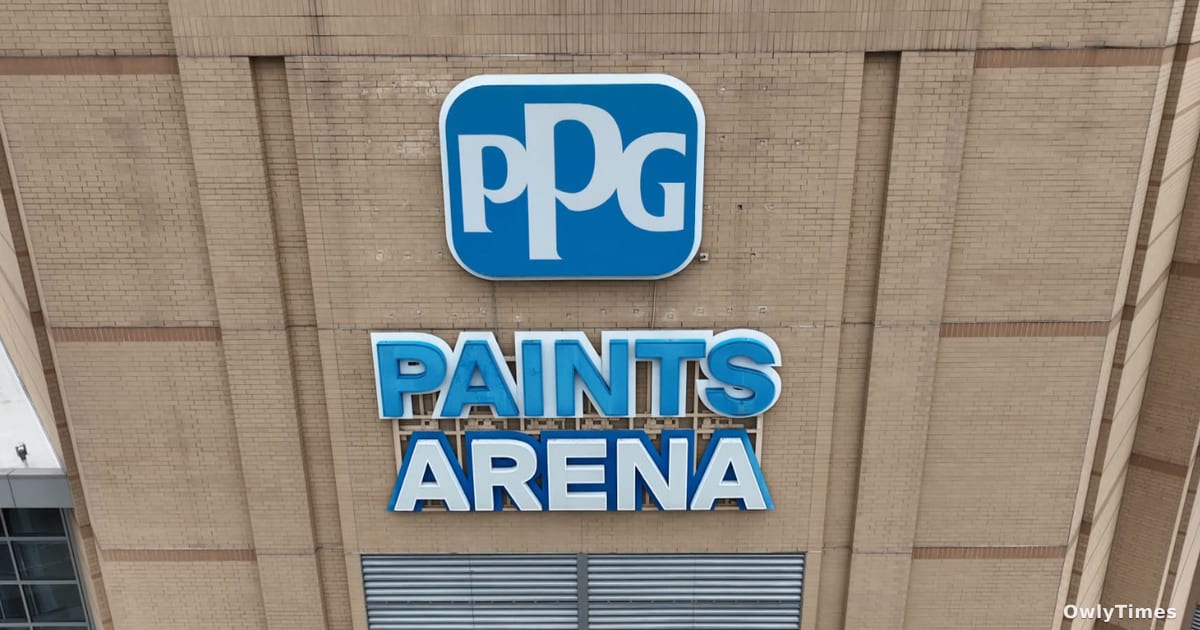

The chipped paint on a concession stand pillar at PPG Paints Arena feels, suddenly, like a metaphor. Not for the Penguins’ on-ice performance – though a recent playoff slump certainly adds to the mood – but for a deeper fracture in the relationship between a major sports franchise and the city that sustains it. On March 13th, the Sports and Exhibition Authority of Pittsburgh and Allegheny County took a significant step toward transferring ownership of the team from Fenway Sports Group (FSG) to the Hoffman Family of Companies, a move that’s less a simple changing of the guard and more a public reckoning with promises made and, according to local officials, deliberately broken. This isn’t just about hockey; it’s about the evolving power dynamics between billionaire owners and the working-class cities that often subsidize their empires.
A $800 Million Exit Strategy and a Community Left Behind
The approval of the arena lease transfer is, on the surface, a procedural step awaiting final sign-off from the National Hockey League. But the accompanying condemnation from Allegheny County Executive Sara Innamorato is anything but routine. Innamorato didn’t celebrate the incoming Hoffman group; she excoriated FSG for extracting an estimated $800 million profit from their four years of ownership, a return on their $950 million investment in 2021, with what she characterized as minimal reinvestment in the surrounding community. This isn’t a new argument in sports economics – teams routinely leverage public funding for stadiums and arenas while minimizing local benefits – but the bluntness of Innamorato’s assessment is striking. She directly accused FSG of “alienating allies and fans,” framing the sale not as a business transaction but as a betrayal of public trust. The core of the issue, as Innamorato points out, lies in the inherent imbalance of power during lease negotiations, where cities often feel compelled to prioritize retaining a team over securing robust community benefits.
Source material: CBS News.
The specific target of this criticism is the redevelopment of the lower Hill District, a historically Black neighborhood displaced to make way for previous iterations of the Civic Arena. FSG had reportedly committed to contributing to this revitalization, a promise that now appears unfulfilled. While the exact details of those commitments remain somewhat opaque – a common issue in these public-private partnerships – the accusation carries weight given the long history of broken promises to the Hill District. This isn’t simply about money; it’s about a pattern of disinvestment and a perceived lack of respect for a community that bore the brunt of previous stadium-driven development. The $1.7 billion expected sale price to the Hoffman group underscores the sheer financial value of a professional sports franchise, a value largely built on the backs of public investment and fan loyalty.
Beyond the Scoreboard: A National Trend in Local Backlash
Pittsburgh’s situation isn’t isolated. Across the country, cities are increasingly scrutinizing the economic impact of professional sports teams and demanding greater accountability from ownership groups. From the ongoing debate over public funding for a new Buffalo Bills stadium to the contentious relocation of the Oakland Athletics, a growing chorus of voices is questioning the traditional model of stadium subsidies and limited community engagement. What’s different in Pittsburgh is the directness of the political challenge. Innamorato isn’t simply asking for better deals in the future; she’s publicly shaming FSG for past failures and explicitly calling for them to donate their profits to the Hill District. This represents a shift in the narrative, moving beyond incremental improvements to a more confrontational stance. The fact that a county executive is willing to publicly call out a major sports owner signals a growing willingness among politicians to prioritize community needs over the perceived economic benefits of retaining a team.
The Hoffman Family’s Opportunity: A New Playbook for Ownership?
The Hoffman Family of Companies, a Chicago-based firm with diverse holdings, now faces the challenge of navigating this fraught landscape. While Innamorato has expressed cautious optimism following “positive initial meetings,” the pressure to demonstrate a genuine commitment to community investment will be immense. The Hoffman group has an opportunity to redefine the relationship between the Penguins and Pittsburgh, but it will require more than just rhetoric. Concrete investments in the Hill District, increased engagement with local organizations, and a transparent approach to financial dealings will be crucial to rebuilding trust. The incoming owners will also need to address the lingering resentment among fans who feel FSG prioritized profit over the team’s long-term success and the fan experience.
This moment matters because it’s a potential inflection point in the relationship between professional sports and the cities that host them. Will the Hoffman group embrace a new model of ownership, one that prioritizes community benefit alongside financial returns? Or will they fall into the same pattern of extracting value while offering limited reinvestment? The answer will not only shape the future of the Pittsburgh Penguins but also serve as a case study for other cities grappling with the complex economics of professional sports. The question now isn’t just who owns the Penguins, but what kind of owner Pittsburgh will allow them to be.

