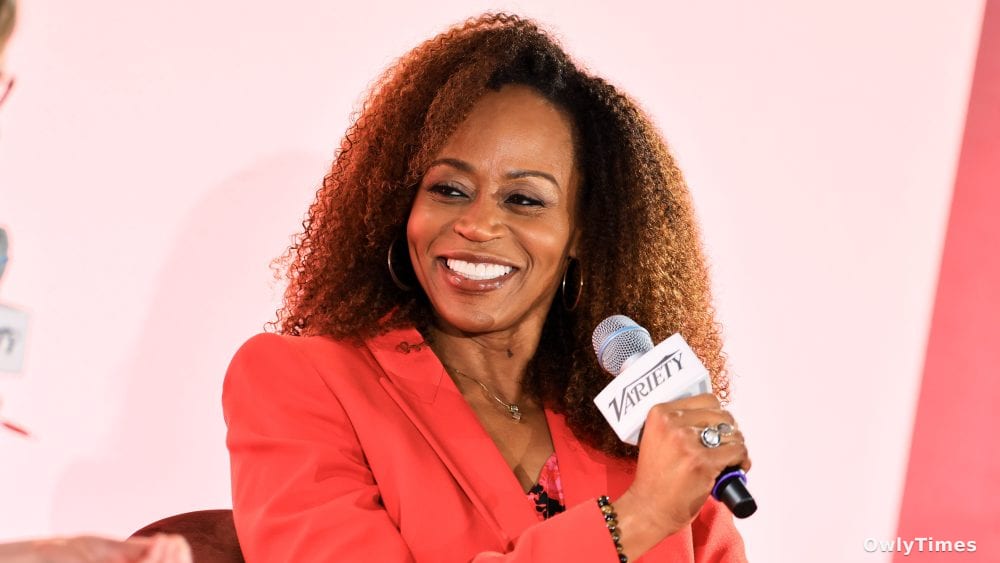

The television industry spent the better part of a decade trying to outrun its own history, chasing the infinite scroll of streaming at the expense of the tried-and-true craft of pilot season. But in the halls of NBCUniversal, a quiet correction is underway. Pearlena Igbokwe, the company’s chairman of Television Studios, NBC Entertainment and Peacock scripted, is looking backward to move forward, effectively signaling that the era of throwing scripts against the wall to see what sticks is being replaced by a more deliberate, tactile approach to development.
The Return of the Pilot Process
Speaking on April 23 at Variety’s annual Entertainment Marketing Summit in Beverly Hills, Igbokwe reflected on a time when the network system operated with more rigor. Recalling her start at NBC in 2012, she noted that the network typically produced between 18 and 20 pilots annually. It was a high-stakes, high-cost gamble, but it was also the primary engine for discovery. Igbokwe pointed to the development of “The Blacklist”—a project initially viewed as low-profile—as proof that the magic of a series often reveals itself only after a camera starts rolling. That show, developed with Sony Pictures Television, went on to run for 10 seasons, a longevity rarely achieved in the modern, fragmented content landscape. By reinstating the pilot process, NBC is attempting to reclaim that serendipity, admitting that the translation from script to screen is an alchemy that cannot be fully captured in a boardroom pitch.
Bridging the Generational Gap
The strategic pivot isn't just about how shows are made; it’s about who is sitting on the couch when they air. For Igbokwe, the gold standard remains the "co-viewing" experience, a term that carries significant weight in an industry obsessed with individualized streaming metrics. Recalling her own experience watching “The Voice” with her children, she emphasized that shows capable of spanning generations are essential for cultivating the next cohort of viewers. This isn't merely a sentimental goal—it is a survival tactic for broadcast television. In a market where attention is fractured, the ability to anchor a household around a single screen remains the most powerful tool a network possesses.
Data-Driven Cross-Pollination
Following the company’s transition with the Versant Media spinoff earlier this year, NBCUniversal has emerged as a more focused entity, balancing its broadcast mothership with the growth of Peacock. The internal data suggests this cross-platform strategy is paying dividends. Igbokwe highlighted “Law & Order: SVU” as a masterclass in reach maximization: the show’s median viewer on NBC is 67, while that number drops to 45 on Peacock. This minimal overlap represents a marketing "sweet spot," allowing the company to capture two distinct segments of the population with a single intellectual property.
The success of the limited series “All Her Fault,” which logged approximately 75 million hours viewed, further validates this flywheel model. By blending the aspirational appeal of the Bravo audience with the traditional procedural tastes of the NBC viewer, the company is proving that streaming and broadcast can be complementary rather than cannibalistic. Whether this ecosystem can continue to scale will depend on the network’s ability to maintain that delicate balance, as the next reading of these viewership demographics will show whether the strategy of program-sharing can consistently yield hits that satisfy both the linear and digital cohorts.