
The Escalating Cost of Political Polarization in North Carolina
The timing is deliberate. As North Carolina’s primary elections enter a critical early voting phase, two incidents – gunfire at the home of a Mecklenburg County Commission candidate and an explosion near an early voting site in Moore County – aren’t isolated acts of aggression, but rather symptoms of a strategic shift in how political disputes are being waged. The calculus is simple: disrupt the democratic process through intimidation, leveraging the existing climate of intense partisan polarization to maximize impact. This isn’t about swaying voters; it’s about suppressing participation and signaling a willingness to escalate conflict beyond the realm of debate.
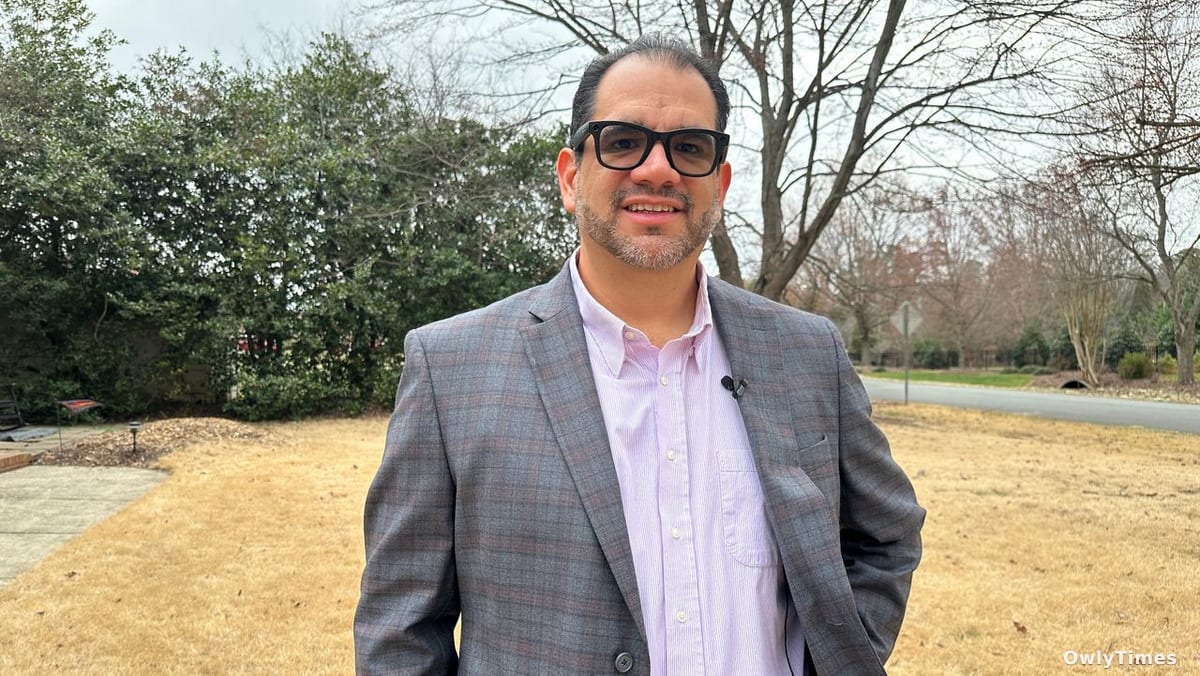
The first incident, reported Monday night, involved multiple shots fired at the Huntersville home of Aaron Marin, a Republican candidate running unopposed in the primary for District 1. While no one was injured, damage to his vehicle, a tree, and a basketball hoop is visible, and the psychological toll on Marin and his family is significant. “Our family has gone through a lot of trauma,” Marin stated, adding that his children can no longer play in their driveway. The Huntersville Police Department, now joined by the FBI, has classified the shooting as targeted, a crucial detail that suggests a deliberate attempt to influence the election. The fact that Marin is running unopposed in the primary complicates the narrative; the motivation isn’t necessarily about defeating him in the election, but about sending a message to other potential candidates or voters.
This article draws on reporting from Spectrum News.
The second incident, occurring Wednesday in Aberdeen, involved the detonation of a handmade flash-bang device thrown from a moving vehicle near an early voting site. While less physically destructive than the shooting, the Aberdeen explosion, witnessed by 30 individuals, carries a similar weight of intimidation. The device itself – a “flash-bang” – is designed to disorient and frighten, not to kill, suggesting the intent was to disrupt the voting process and create an atmosphere of fear. The lack of property damage doesn’t diminish the severity; the message is clear: even the act of voting is not safe from disruption.
Michael Bitzer, a professor of politics and history at Catawba College, correctly identifies the root cause as “the political divide and partisan polarization.” But framing it simply as polarization obscures the strategic element. North Carolina, as Bitzer notes, is particularly vulnerable due to its competitive elections. The state has become a battleground, not just for national parties, but for increasingly radicalized factions within those parties. This creates a fertile ground for actors willing to employ extra-legal means to achieve their political objectives. Historically, we see echoes of this in the pre-Civil War era, where political violence was commonplace, particularly in states with contested political landscapes. While the scale is different, the underlying dynamic – the breakdown of norms and the willingness to use force to achieve political ends – is disturbingly similar.
Who benefits and who loses from these incidents? Directly, Aaron Marin and the voters of Mecklenburg County lose a sense of security. More broadly, the democratic process itself loses legitimacy when citizens fear for their safety while exercising their right to vote or even running for office. The beneficiaries are those who thrive on chaos and division – those who believe that the ends justify the means, regardless of the cost to democratic institutions. It’s also worth noting that these incidents, while condemned by most, simultaneously serve to reinforce existing narratives about the “other side” being dangerous and extreme, further deepening the polarization. The media coverage, while necessary, inevitably amplifies these narratives.
The Aberdeen police are continuing their investigation, submitting evidence to the State Crime Lab, while Huntersville police and the FBI are pursuing leads in the shooting. However, the immediate investigations are less important than the broader political question: what is the response? Will these incidents be treated as isolated acts of criminality, or as part of a coordinated effort to undermine the democratic process? The political chess move to watch next isn’t about arrests or convictions, but about whether state and national leaders will proactively address the underlying conditions that are fueling this escalating cycle of political violence – specifically, the normalization of inflammatory rhetoric and the erosion of trust in democratic institutions.





