
The Escalating Cost of Political Polarization in North Carolina
The timing is deliberate. As North Carolina’s primary elections enter a critical early voting phase, two separate incidents – gunfire at the home of a Mecklenburg County Commission candidate and an explosion near an early voting site in Moore County – aren’t isolated acts of aggression, but rather symptoms of a strategic shift in how political disputes are being waged. The calculus is simple: disrupt the democratic process through intimidation, leveraging the existing climate of intense partisan polarization to maximize impact. This isn’t about swaying voters; it’s about suppressing participation and signaling a willingness to escalate conflict beyond the realm of debate.
Reporting from Spectrum News informs this analysis.
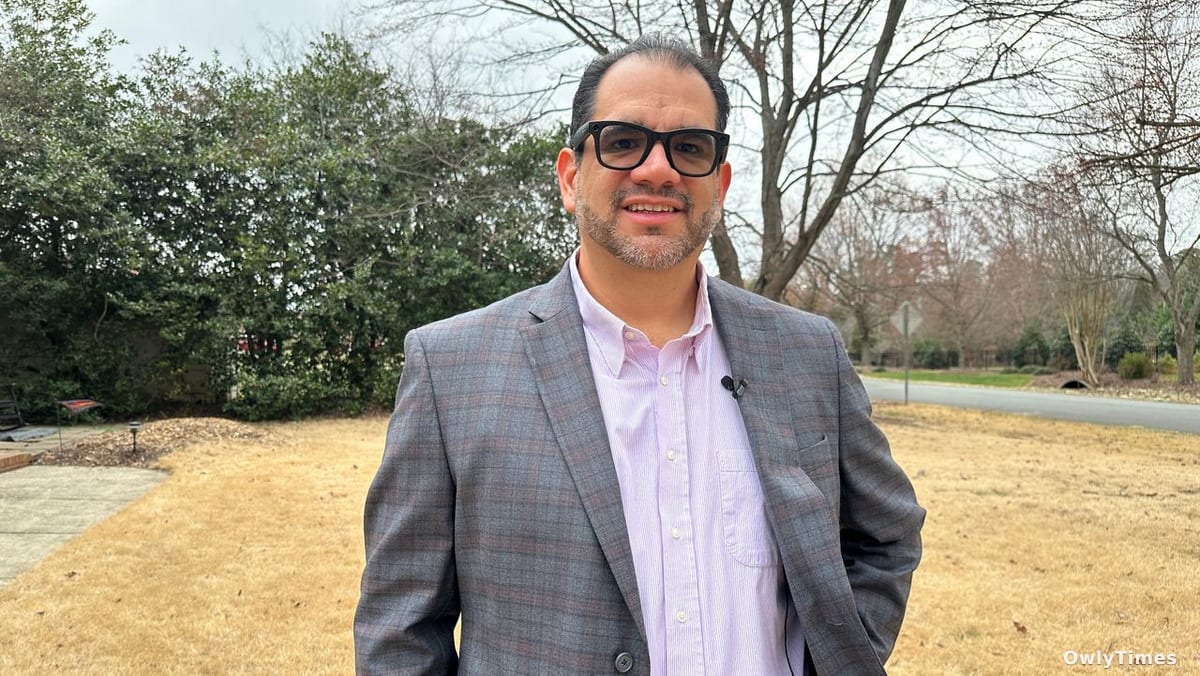
Aaron Marin, a Republican candidate running unopposed in the primary for Mecklenburg County Commissioner District 1, found his home targeted Monday night. Huntersville police responded to reports of gunfire on Greenfarm Road, discovering spent casings and damage to Marin’s vehicle, a tree, and a basketball hoop. While no one was injured, the message is clear. Marin himself frames the incident as validation of his campaign focus on safety, but the targeting of his home – a space meant to represent security – is a calculated move to instill fear, not just in him, but in his supporters. The involvement of the FBI suggests investigators are treating this as a potential escalation beyond local grievances. Who benefits and who loses here? Marin gains a narrative advantage, potentially galvanizing conservative voters. But the broader loss is to the sense of security necessary for free and fair elections.
The incident in Aberdeen, Moore County, while less directly targeted, amplifies the same message. Witnesses reported a flash-bang-style device detonated near an early voting site, thrown from a moving vehicle. While no injuries or property damage were reported, the sheer audacity of attempting to disrupt the voting process in such a public manner is significant. Thirty witnesses observed the event, suggesting a deliberate attempt to create maximum visibility and psychological impact. This echoes tactics employed during the Jim Crow era, where intimidation was used to discourage Black voters, though the perpetrators and targets are now less defined by race and more by political affiliation.
Michael Bitzer, a professor of politics and history at Catawba College, correctly identifies the root cause: the “us-vs-them mentality” prevalent in American politics. But Bitzer’s assessment, while accurate, doesn’t fully capture the strategic dimension. Polarization isn’t simply a cultural phenomenon; it’s a political tool. By framing opponents as existential threats, political actors create an environment where extreme measures – like these acts of intimidation – become normalized, even justifiable, in the eyes of their most fervent supporters. North Carolina, as Bitzer notes, is particularly vulnerable due to its competitive elections, making it a testing ground for these tactics. The state’s history of close races and shifting demographics creates a fertile environment for exploiting existing divisions.
The parallel to the political violence of the 1960s is unsettling, though the ideological drivers are different. Then, the goal was to suppress the voting rights of a specific demographic. Now, the aim appears to be broader: to erode trust in the electoral process itself, creating a climate of chaos and distrust that benefits those who thrive on instability. The fact that these incidents occurred during early voting – a period designed to increase access to the ballot box – is particularly telling. It’s a direct assault on the principles of democratic participation.
The immediate response from law enforcement – investigations by Huntersville police and the FBI in the Marin case, and the Aberdeen police investigation with evidence submission to the State Crime Lab – is necessary, but insufficient. The political chess move to watch next isn’t about arrests or convictions, though those are crucial. It’s about how political leaders respond to these incidents. Will they unequivocally condemn all forms of political violence, regardless of the perpetrator’s affiliation? Or will they subtly downplay the severity of the incidents, fueling the very polarization that enabled them? The answer to that question will determine whether these attacks are isolated incidents or the opening salvo in a new, more dangerous phase of American politics.





