
Is the American political system now operating under a permanent threat assessment? The indictment of Diego Villavicencio for threatening Donald Trump, Eric Swalwell, and likely Jerome Powell isn’t just another isolated incident; it’s a flashing red light indicating a systemic breakdown in civic discourse. The real story here isn't the alleged actions of one Florida man – it’s the normalization of violent rhetoric and the apparent inability of existing systems to contain it, even as the volume of threats escalates to unprecedented levels.
A Surge in Threats, A Question of Response
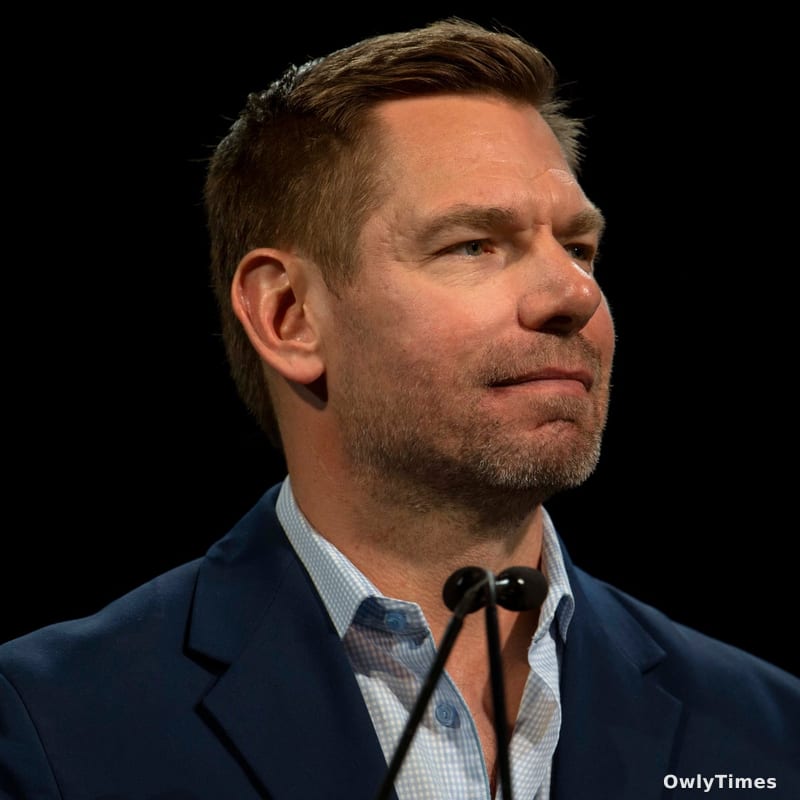
The numbers are stark. The US Capitol Police reported nearly 15,000 threats against lawmakers and their families in 2025, a 57% jump from the 9,500 recorded in 2024. This isn’t a statistical blip; it’s a sustained, accelerating trend. Villavicencio’s alleged threats, detailed in the indictment, are chillingly specific – promising to “assault, kidnap and murder” an unnamed congressmember (later confirmed by Swalwell to be him) and outlining plans to “take a couple of shots” at Trump. The timing is particularly unsettling, coming on the heels of the assassinations of rightwing activist Charlie Kirk and Minnesota state legislator Melissa Hortman and her husband last year, alongside the firebombing of Pennsylvania Governor Josh Shapiro’s home. These aren’t abstract fears; they’re tragedies unfolding in real time. The February life sentence handed down to a man who attempted to assassinate Trump on a golf course in 2024 should have been a wake-up call, but the threat level continues to climb.
Original reporting: The Guardian.
The X Factor: Social Media as an Echo Chamber
The indictment reveals a disturbing connection between online rhetoric and real-world threats. Villavicencio’s alleged messages were exchanged on X (formerly Twitter), responding directly to a post by Swalwell criticizing Attorney General Pam Bondi for not prosecuting previous threats against him. This highlights a critical vulnerability: social media platforms, despite efforts to moderate content, are still readily exploited to disseminate violent ideologies and target individuals. Swalwell’s frustration, voiced during a congressional hearing last month, underscores the problem. He explicitly asked Bondi for assistance in ensuring threats were prosecuted, stating, “We never expected that the Department of Justice would not seek to prosecute…those who are making threats against us.” Bondi’s response – offering to work with members “on both sides of the aisle” – feels like a performative gesture in the face of a rapidly deteriorating situation. The fact that a direct response to a politician’s post on X triggered such a violent escalation should force a reckoning with the platform’s role in amplifying extremism.
Beyond Politics: The Targeting of the Federal Reserve
While the threats against Trump and Swalwell are politically charged, the alleged targeting of Federal Reserve Chair Jerome Powell introduces a new dimension of concern. The FBI affidavit referencing a post stating “Jerome is next” suggests a broadening scope of potential targets, extending beyond elected officials to those responsible for economic policy. This is particularly alarming given the current economic climate and the potential for politically motivated attacks on institutions perceived as influencing financial stability. The Federal Reserve’s silence on the matter is notable, and raises questions about the level of security afforded to its leadership. It’s easy to dismiss this as fringe extremism, but the targeting of the Fed signals a willingness to disrupt the very foundations of the American economic system.
The Erosion of Trust and the Future of Governance
The escalating violence and threats aren’t simply about physical safety; they’re about the erosion of trust in democratic institutions. When lawmakers fear for their lives and their families, it inevitably impacts their ability to govern effectively. Some members of Congress have already cited safety concerns as a reason for leaving office, creating a chilling effect on political participation. This isn’t just a problem for politicians; it’s a problem for everyone who believes in a functioning democracy. The cycle of escalating rhetoric, inadequate prosecution, and subsequent violence is self-reinforcing, creating a climate of fear and intimidation.
Here’s what to watch for: in the next six months, expect to see a significant push for federal legislation mandating increased security measures for all elected officials and key government personnel, coupled with a renewed debate about Section 230 of the Communications Decency Act – the law that shields social media platforms from liability for user-generated content. But the real test won’t be about laws or security details; it will be about whether we can collectively de-escalate the level of animosity and polarization that is fueling this crisis. If the rhetoric doesn’t change, the threats will only continue to multiply.