
The persistent challenge of accessing timely mental healthcare isn’t simply a matter of insufficient resources; it’s often a problem of knowing where those resources are when someone needs them. North Carolina is attempting to address this critical bottleneck with a significant upgrade to its Behavioral Health Statewide Central Availability Navigator (BH SCAN), a digital registry of mental health beds. While headlines tout this as a revolutionary step – and North Carolina is the first state to implement hourly automated bed availability updates – the true impact lies in understanding how this system functions, what it realistically achieves, and what hurdles remain in a fragmented mental healthcare landscape.
From Daily Calls to Hourly Data: How BH SCAN Evolved
For years, locating an available mental health bed in North Carolina relied on a laborious process. Hospital staff manually updated bed availability once per day, a system prone to inaccuracies and delays. Imagine a frantic search for a bed during a crisis, only to be told the information is already outdated. This is the reality Kelly Crosbie, MSW, LCSW, Director of the NCDHHS Division of Mental Health, Developmental Disabilities and Substance Use Disorders, aims to change. The new Automated Bed Availability (ABA) function, launched recently, provides real-time data, updating every hour. Since its implementation, the state has seen a staggering 1,400% increase in bed updates per day. This isn’t simply more data; it’s a shift from reactive searching to proactive awareness of capacity. Currently, BH SCAN encompasses over 3,500 beds across 112 facilities, including inpatient psychiatric units, substance use disorder treatment centers, and pediatric residential care facilities – representing 80% of the state’s approximately 3,200 total inpatient psychiatric beds.
This article draws on reporting from wlos.com.
Connecting the Lifeline: Integrating 988 with Real-Time Bed Information
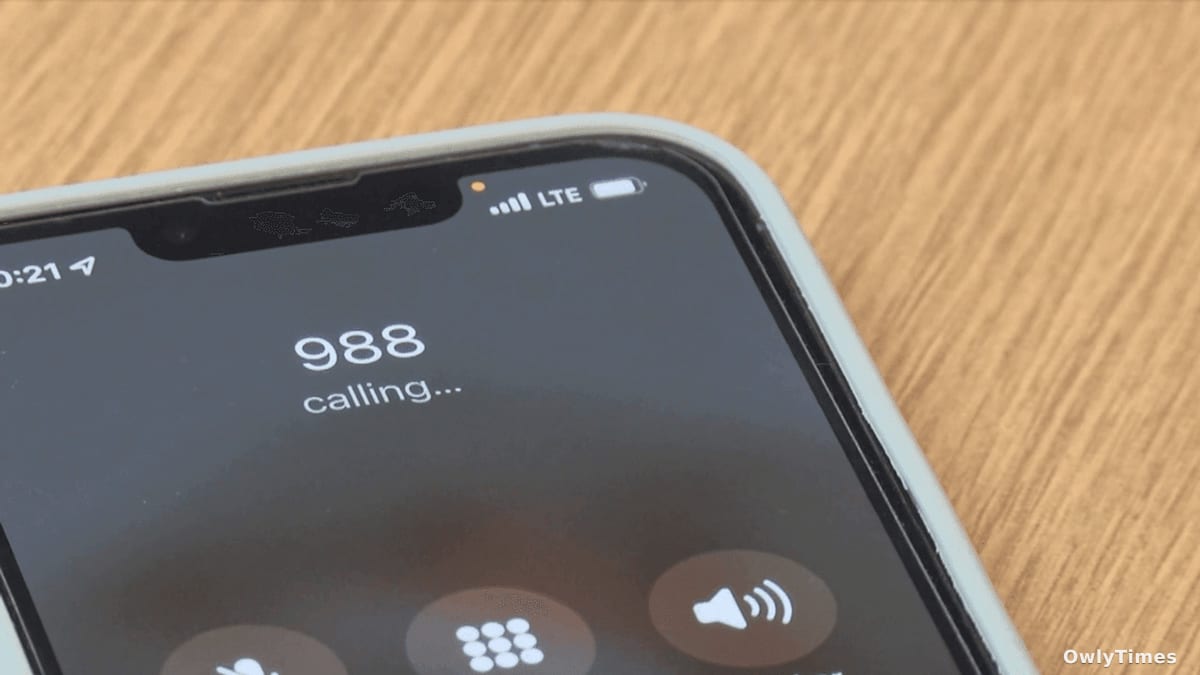
The upgrade isn’t just about hospitals finding beds for existing patients; it’s about streamlining the entire crisis response system. Crucially, BH SCAN has been integrated with the 988 Suicide and Crisis Lifeline. This means when someone calls 988 and a mobile crisis team is dispatched, dispatchers can now instantly access BH SCAN to identify available beds in the caller’s area. This integration, as highlighted by Dev Sangvai, NC Health and Human Services Secretary, aims to create a “more coordinated effort” and ensure individuals receive care “in a more coordinated effort.” The potential here is significant. Previously, 988 dispatchers might have spent valuable time calling hospitals individually, time a person in crisis doesn’t have. The direct link to BH SCAN promises to accelerate the process, potentially reducing wait times and improving outcomes.
Beyond Automation: What the Numbers Don’t Show
While the 1,400% increase in bed updates is impressive, it’s vital to remember that increased information doesn’t automatically equate to increased access. BH SCAN provides a clearer picture of availability, but it doesn’t create new beds. North Carolina still faces a significant shortage of mental healthcare professionals and facilities, particularly in rural areas. Furthermore, the system’s effectiveness hinges on consistent participation from all providers. NCDHHS aims to have all facilities integrated with the ABA enhancement by early 2027, but voluntary participation introduces the possibility of incomplete data. A bed isn’t “available” if a facility chooses not to report it. This creates a potential for inequity, where facilities with greater resources or administrative capacity are more readily visible within the system.
Limitations to Consider
The timing of this announcement also warrants scrutiny. It arrives alongside reports of federal funding cuts impacting LGBTQ+ youth mental health services within the 988 Lifeline, a population already facing significant barriers to care. While Sangvai emphasizes a commitment to a system “that works for everyone,” the simultaneous reduction in targeted funding raises questions about the state’s overall prioritization of equitable access. Additionally, the system relies on standardized “acuity” assessments to match patients with appropriate levels of care. Subjectivity in these assessments could lead to mismatches, potentially delaying effective treatment.
The Road Ahead: Towards a Truly Accessible System
The upgrade to BH SCAN is a positive step, demonstrating a commitment to leveraging technology to improve mental healthcare access in North Carolina. However, it’s not a panacea. The next crucial step is to monitor the system’s impact on actual wait times and patient outcomes, disaggregated by demographic factors to identify any disparities. More importantly, the state must address the underlying shortage of beds and providers. Will the increased efficiency of BH SCAN be enough to compensate for a fundamentally limited capacity? And as the system matures, how will North Carolina ensure that all providers participate, creating a truly comprehensive and equitable picture of mental health resources? The success of BH SCAN won’t be measured solely by the number of bed updates, but by whether it translates into faster, more effective care for those who need it most.





