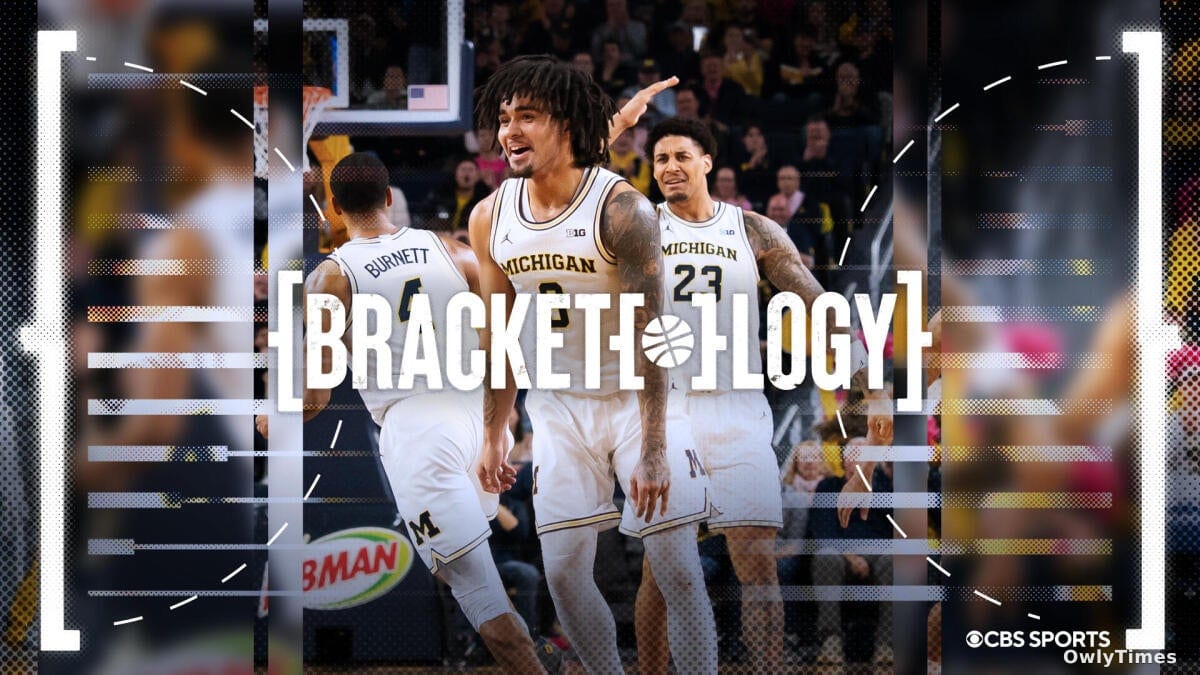

The air in the room crackled with anticipation, even though it was just a preview. Not the real thing, not Selection Sunday, but a glimpse behind the curtain. On Saturday, the NCAA Tournament selection committee will unveil its current top 16 seeds, a snapshot of where college basketball stands as the season barrels toward March Madness. But this isn’t just about bracketology; it’s about power, perception, and the increasingly complex calculus of evaluating teams in a landscape obsessed with metrics. It’s a moment that reveals as much about how we decide who gets in as it does about who deserves to be there.
The annual bracket preview, airing on CBS at 12:30 p.m. ET, is a fascinating exercise in transparency, or at least, managed transparency. For years, the process felt shrouded in mystery, fueling endless speculation and accusations of bias. Now, the committee offers a peek into its thinking, but the inherent subjectivity remains. As Matt Norlander of CBS Sports points out, even seemingly straightforward decisions – like whether Houston or Iowa State deserves the final No. 1 seed – are fraught with nuance. Both teams boast impressive records (23-3), but the tiebreaker comes down to a head-to-head win for the Cyclones and a slight edge in predictive metrics for the Cougars. It’s a reminder that the committee isn’t simply plugging numbers into a formula; they’re weighing wins, losses, strength of schedule, and a whole host of qualitative factors.
This year’s preview is particularly interesting because of the questions swirling around teams on the cusp. Will a season-ending injury to Texas Tech’s star forward, JT Toppin, derail their tournament hopes? The committee will have to decide if the Red Raiders’ early-season success outweighs their recent struggles without a key player. Then there’s Alabama, riding a five-game winning streak but whose underlying metrics suggest they might be closer to a No. 5 seed than the No. 4 seed some are projecting. The tension here isn’t just about seeding; it’s about the committee’s willingness to trust the eye test versus relying solely on data. Gary Parrish of CBS Sports highlights this dilemma, noting the committee’s potential to elevate Florida to a No. 2 seed based on predictive metrics, even if their overall resume doesn’t fully support it. This speaks to a broader trend in college basketball: the increasing influence of advanced statistics and the debate over whether they accurately reflect a team’s true potential.
Source material: CBS Sports.
The differing perspectives from bracketologists like Kyle Boone and David Cobb further illustrate the inherent ambiguity. While all agree on Michigan, Duke, and Arizona as locks for No. 1 seeds, the fourth spot remains hotly contested. Boone favors Houston, citing their superior Wins Above Bubble (WAB) and predictive metrics, while Cobb acknowledges Iowa State’s strong resume and head-to-head victory. These discrepancies aren’t simply academic; they reflect fundamental disagreements about how to value different types of wins and losses. A win against a highly-ranked opponent on the road carries more weight than a win against a weaker team at home, but how much more weight is a matter of interpretation. This is where the human element of the selection process comes into play, and where biases – conscious or unconscious – can creep in.
Beyond the immediate implications for seeding, this preview offers a crucial window into the evolving priorities of the NCAA Tournament selection committee. Are they prioritizing teams with strong predictive metrics, even if their resumes are imperfect? Are they giving more weight to quality wins, or are they still valuing overall record and strength of schedule? The answers to these questions will have a ripple effect throughout the rest of the season, influencing how teams approach their remaining games and how fans interpret the results. The committee’s decisions aren’t just about filling out a 68-team bracket; they’re about shaping the narrative of college basketball and determining which programs get the opportunity to compete for a national championship. And as the lines between data and perception continue to blur, the stakes have never been higher.
What will be more telling in the coming weeks: the committee’s adherence to predictive metrics, or their willingness to reward teams that demonstrate consistent performance against top competition? The answer will likely determine which bubble teams ultimately make the field, and which are left watching from home.

