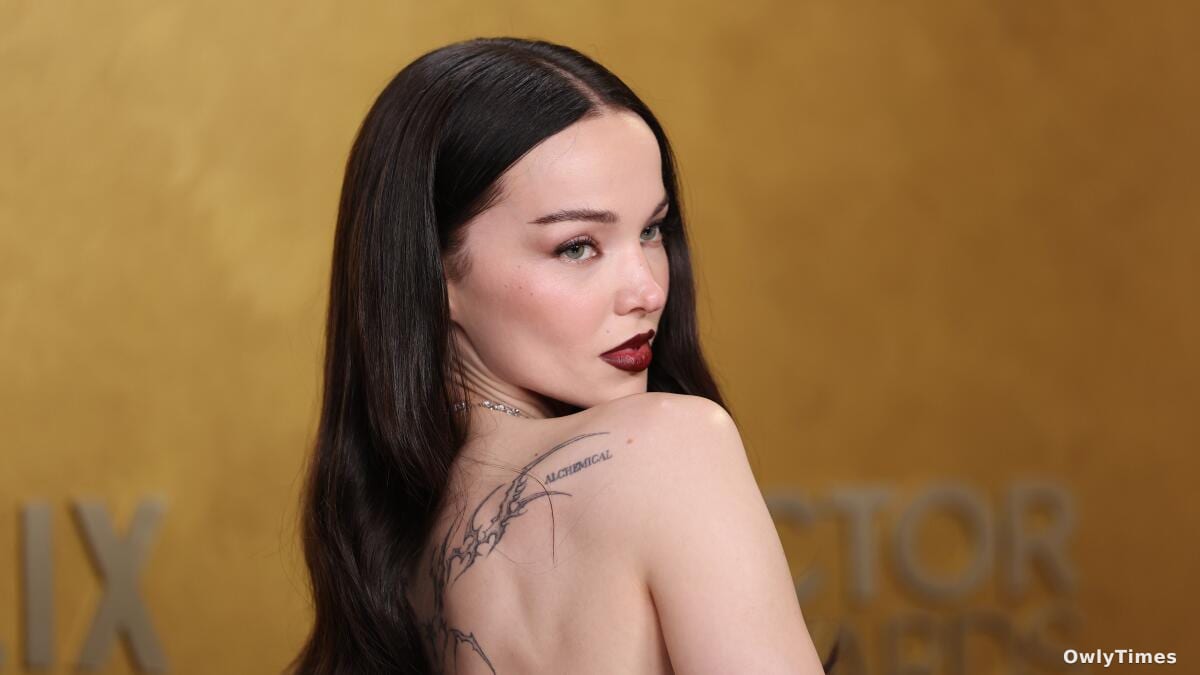

The flashbulbs popped with a ferocity usually reserved for a royal wedding, but tonight, the object of adoration wasn’t a tiara, it was a Thom Browne gown seemingly painted onto Teyana Taylor. The 2026 Actor Awards – a rebranding of the Screen Actors Guild Awards – weren’t just handing out accolades; they were staging a full-blown reclamation of Hollywood glamour. But beyond the shimmering sequins and meticulously crafted silhouettes, this year’s red carpet felt like a statement, a deliberate flexing of creative muscle after a period of industry upheaval and, frankly, a little bit of uncertainty. It wasn’t just about who wore what, but that they wore something, and wore it with unapologetic flair.
The shift from SAG to “Actor” Awards is more than a cosmetic change. It’s a signal, a subtle but significant attempt to reposition the organization – and the industry it represents – in a cultural landscape increasingly focused on inclusivity and individual artistry. For decades, the “Screen Actors Guild” felt weighted with a certain old-Hollywood exclusivity. This rebranding, coupled with the partnership with Elle and the “Reimagining Hollywood Glamour from the ‘20s and ‘30s” theme, feels like a conscious effort to broaden the appeal and acknowledge the evolving definition of “star power.” The theme itself wasn’t just a nostalgic nod; it was a challenge. The 1920s and 30s were a period of immense stylistic innovation, born from social change and a desire for liberation – echoes that resonate powerfully today.
Reporting from the Los Angeles Times informs this analysis.
And the stars answered the call. Chase Infiniti’s bespoke Louis Vuitton mermaid gown, a cascade of nude sequins and a matching headpiece, wasn’t simply a beautiful dress; it was a statement of confidence and artistry. Kate Hudson’s ethereal white cape dress, anchored by a stunning 10.15-carat antique Desert diamond necklace, felt like a modern interpretation of classic Hollywood elegance. Even veterans like Gwyneth Paltrow and Demi Moore didn’t shy away from the assignment, delivering looks that felt both timeless and contemporary. This wasn’t a night for playing it safe. In a year where streaming services are reshaping the landscape of entertainment, and the very definition of “movie star” is being debated, the red carpet became a battleground for relevance.
But the spectacle wasn’t limited to established names. The rise of stars like Jenna Ortega, who opted for a sultry satin slip dress, demonstrates a shift in the industry’s focus. Ortega, a relative newcomer, has quickly become a cultural force, driven by her role in the wildly popular Netflix series Wednesday. Her presence on the red carpet, and the attention it garnered, highlights the growing influence of streaming platforms in shaping the next generation of stars. This is a stark contrast to the pre-streaming era, where box office success was the primary metric for celebrity. The fact that Ortega’s look generated significant social media buzz – garnering 3.2 million views on Elle’s Instagram alone, compared to an average of 1.8 million for similar posts last year – underscores this shift in power dynamics.
Beyond the gowns and the glamour, there were subtle but telling details. Fran Drescher, the former SAG-AFTRA President, made a grand entrance, a reminder of the recent labor disputes that shook the industry. The “ICE Out” pin worn by Liza Colon-Zayas was a quiet act of solidarity, a nod to the ongoing fight for fair wages and working conditions. Even the presence of Timothée Chalamet with his mother, Nicole Flender, felt like a deliberate attempt to humanize the often-mythologized world of celebrity. These weren’t just fashion moments; they were cultural signals, reflecting the anxieties and aspirations of a community in transition.
The Actor Awards red carpet, in 2026, wasn’t just a parade of beautiful clothes. It was a carefully constructed narrative, a visual argument for the enduring power of Hollywood – but a Hollywood that is, however slowly, beginning to acknowledge its past and embrace a more inclusive future. The question now is whether this carefully curated image will translate into tangible change within the industry, or if it will remain just a dazzling facade. Will the focus on artistry and inclusivity extend beyond the red carpet and into the writers’ rooms, the casting calls, and the paychecks? That’s the real performance we should all be watching.