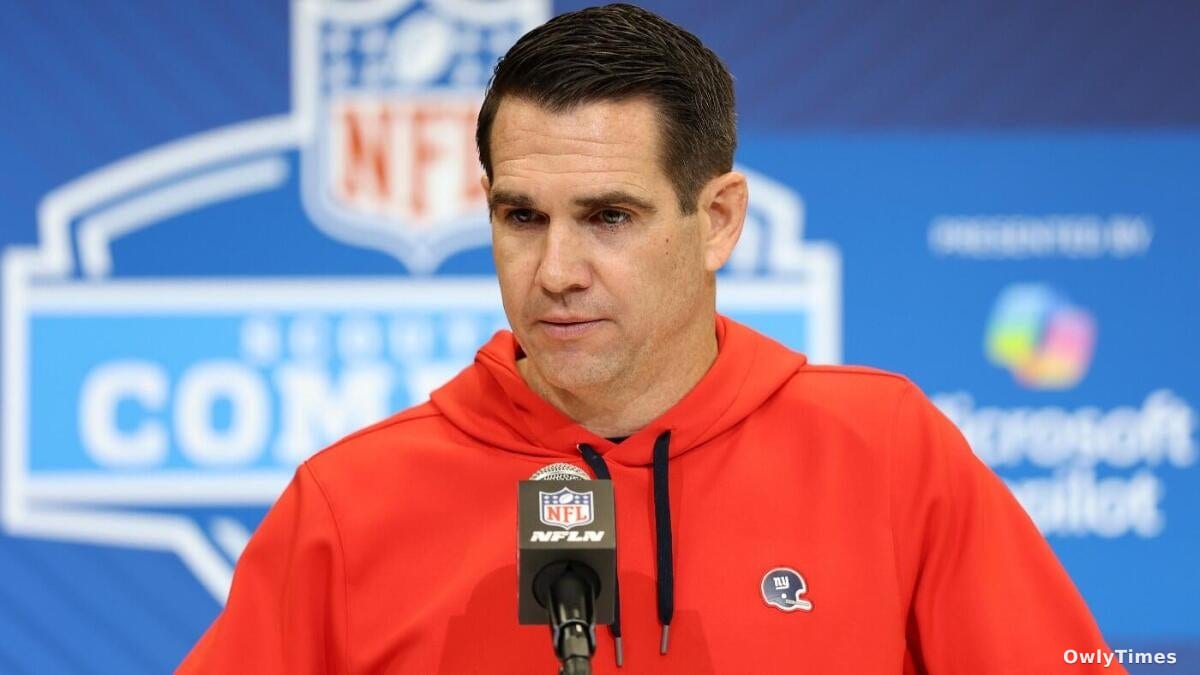

The air in Indianapolis is thick with anticipation, but it’s not just the scent of potential draft picks hanging heavy in the Indiana Convention Center. It’s the quiet hum of uncertainty, the undercurrent of teams bracing for a seismic shift in power dynamics. Combine week isn’t just about 40-yard dashes and bench press reps; it’s a pressure cooker where futures are decided, contracts negotiated, and reputations either cemented or shattered. While the world focuses on measurables, the real story unfolding here is about control – who has it, who’s losing it, and who’s desperately trying to regain it in a league increasingly defined by financial maneuvering and calculated risk.
The flurry of press conferences on Tuesday offered a glimpse behind the carefully constructed facades of NFL front offices, revealing a league grappling with a new era of player empowerment and financial complexity. John Schneider of the Seahawks, fresh off a Super Bowl victory fueled by veteran leadership, casually mentioned their desire to re-sign running back Kenneth Walker III, but offered no guarantees. This isn’t simply about retaining a talented player; it’s a statement about valuing experience in a league trending younger, a subtle pushback against the constant churn of rebuilding. The Seahawks’ success, built on a blend of draft capital and savvy veteran acquisitions, stands in stark contrast to teams perpetually stuck in rebuild mode, and Schneider’s comments signal a commitment to that model.
Original reporting: CBS Sports.
The tension was palpable in the Lions’ presser, where GM Brad Holmes acknowledged “fluid” conversations with running back David Montgomery. Montgomery’s contract, lacking guaranteed money, makes him a potential cap casualty, a harsh reality for a player who contributed to a Super Bowl-caliber team. This isn’t just about Montgomery’s future; it’s a microcosm of the league’s broader struggle to balance rewarding performance with maintaining financial flexibility. The Lions, having tasted success, are now navigating the treacherous waters of sustaining it, a challenge that demands difficult decisions and potentially unpopular moves. Holmes’ carefully chosen words – “fluid” – betray the uncertainty, the delicate dance between keeping a valuable player and protecting the team’s long-term financial health.
Perhaps the most definitive statement of the day came from Jets GM Darren Moughey, who bluntly stated the team will use the franchise tag on running back Breece Hall if a long-term extension isn’t reached by the March 3 deadline. This isn’t a negotiation tactic; it’s a declaration of intent. The Jets, desperate to build around young quarterback Aaron Rodgers, are prioritizing protecting their offensive weapons, even if it means employing a costly short-term solution. Moughey’s directness underscores the Jets’ urgency, their willingness to spend aggressively to capitalize on their championship window. It also highlights the increasing reliance on the franchise tag as a tool for controlling player costs and preventing key players from hitting free agency.
The Jets’ commitment to retaining offensive talent extended to a surprising announcement: head coach Aaron Glenn will call the defensive plays in 2026. This decision, coupled with the hiring of veteran offensive coordinator Frank Reich, reveals a calculated strategy to empower Glenn and create a clear division of responsibilities. It’s a bold move, entrusting a first-time head coach with play-calling duties, but it signals a belief in Glenn’s leadership and a desire to foster a collaborative environment. The Jets are betting that Glenn’s defensive acumen, combined with Reich’s offensive expertise, will be enough to unlock their potential.
Beyond the immediate roster decisions, the combine revealed a growing anxiety about quarterback development. Andrew Berry of the Browns, when asked about second-year quarterback Shedeur Sanders, emphasized the need for “continued growth.” This seemingly innocuous comment speaks volumes about the challenges of finding and developing franchise quarterbacks in the modern NFL. The pressure to succeed is immense, and the margin for error is shrinking. Berry’s focus on Sanders’ development isn’t just about one player; it’s about the league’s ongoing search for the next generation of elite quarterbacks. The Browns, like many teams, are acutely aware that their future success hinges on finding a long-term solution at the most important position in the sport.
The undercurrent of uncertainty extended to veteran stars as well. Buccaneers GM Jason Licht acknowledged the possibility of Mike Evans leaving in free agency, stating the team would “see how the process plays out.” This isn’t a sign of disrespect; it’s a recognition of the changing landscape of player agency. Evans, a future Hall of Famer, has earned the right to test the open market, and the Buccaneers must balance their desire to retain a legend with the realities of their salary cap situation. The potential departure of Evans would be a symbolic loss for Tampa Bay, a sign that even established franchises are vulnerable to the forces of free agency.
What’s happening in Indianapolis isn’t just about football; it’s a reflection of broader societal trends. The increasing emphasis on player empowerment, the growing financial complexities of the game, and the relentless pursuit of competitive advantage all mirror the challenges facing other industries. The NFL, once a bastion of tradition and control, is now a dynamic, unpredictable ecosystem where success requires adaptability, innovation, and a willingness to embrace change. The question now isn’t just who will win the next Super Bowl, but whether the league can navigate these turbulent waters and maintain its position as America’s most popular sport. Will teams continue to prioritize financial flexibility over rewarding loyalty? Will the franchise tag become an even more prevalent tool for controlling player costs? And, perhaps most importantly, will the league find a way to address the growing gap between the haves and the have-nots? These are the questions that will define the future of the NFL, and the answers will be revealed long after the last prospect leaves the field in Indianapolis.

