
Beyond the Headlines: A Cluster of Loss and the Complexities of Preventative Outreach
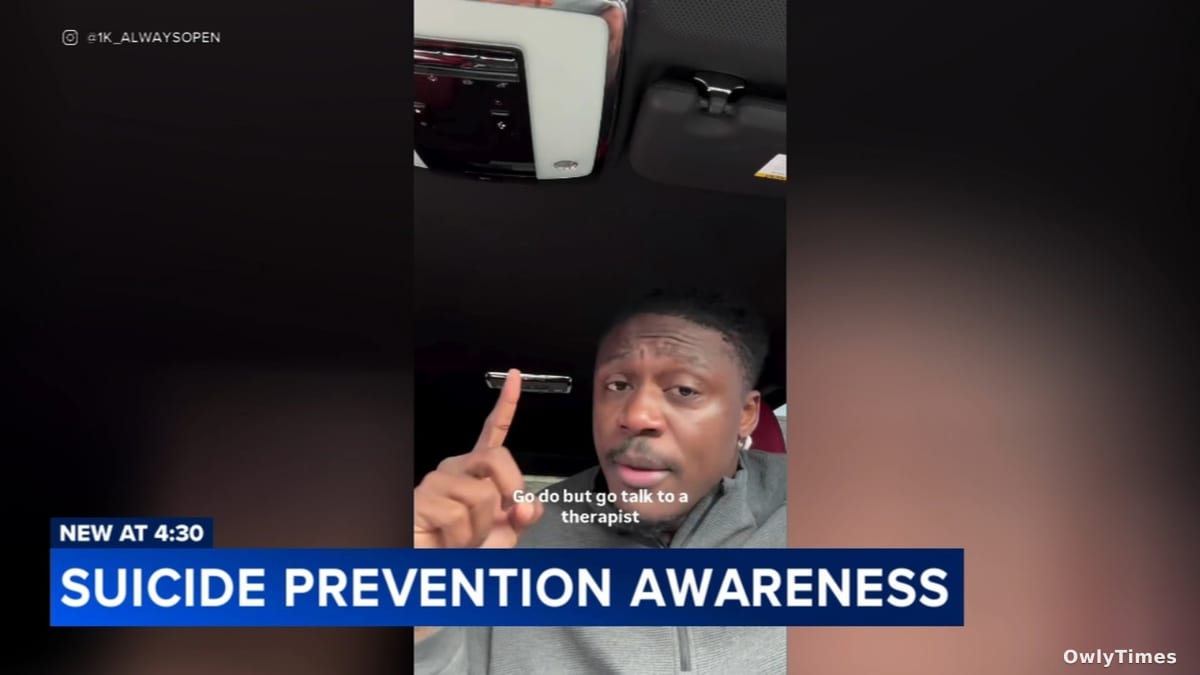
The recent and deeply unsettling series of deaths – including Vikings receiver Rondale Moore, Cowboys defensive end Marshawn Kneeland, and actor Robert Carradine – has prompted a surge of public discussion about mental health. However, the narrative often simplifies a profoundly complex issue. While headlines focus on the tragic outcomes, the underlying question isn’t simply why these individuals died, but what systemic factors allow silent suffering to escalate to this point, particularly within high-pressure environments like professional sports and the entertainment industry. The outpouring of support, exemplified by A.J. Brown’s direct appeal to seek help, is vital, but it’s crucial to understand that encouragement alone isn’t a solution; it’s a single component of a much larger, and often fragmented, system.
Source material: 6abc.com.
The immediate response to these losses has been a call for increased awareness and open conversation, and rightly so. Brown’s message – “Talk to someone. Get it off your chest. You’re not too tough to talk to someone” – resonates powerfully, especially coming from a prominent athlete who has previously shared his own struggles. This is significant because it directly challenges the pervasive, and particularly damaging, notion of stoicism often associated with masculinity and high-performance roles. However, the study of suicide prevention reveals a critical distinction: awareness campaigns, while important for reducing stigma, don’t necessarily translate into increased help-seeking behavior. Data from the National Institute of Mental Health consistently shows a lag between increased awareness and measurable improvements in access to, and utilization of, mental healthcare services.
Dr. George James, a marriage and family therapist in Montgomery County, highlights a crucial aspect often overlooked in initial reporting: suicidal ideation is rarely a spontaneous event. “It’s usually a thought they’ve had, it’s some ways where they’ve wrestled with it, they’ve maybe tried some things, or just feel overwhelmed,” he explained to WPVI-TV. This suggests a prolonged period of internal struggle, a history that often remains hidden even from close friends and family. The case of Carradine, whose family disclosed his bipolar diagnosis, underscores the importance of recognizing and addressing underlying mental health conditions. However, even with a diagnosis, access to consistent, affordable, and effective treatment remains a significant barrier for many. The current average wait time to see a psychiatrist for initial evaluation in the US is approximately six weeks, a timeframe that can be devastating for someone in acute distress.
The notion that mental health struggles are “equal opportunity” – as Dr. James pointed out, “It doesn't care where you come from, what side of the tracks, or how much money you have or don't have” – is a vital corrective to the misconception that these issues are confined to specific demographics. Yet, this universality doesn’t negate the unique pressures faced by individuals in the public eye. Professional athletes, for example, experience intense scrutiny, physical demands, and a culture that often prioritizes performance over well-being. The November death of Kneeland, following a high-speed chase, raises questions about the support systems available to athletes transitioning out of their careers, or struggling with the pressures of maintaining peak performance. The NFL, for instance, has faced criticism regarding its handling of player mental health, despite increased investment in resources.
Limitations to consider include the inherent difficulty in establishing causality when examining suicide clusters. While the proximity of these deaths understandably fuels concern, it’s crucial to avoid “contagion” narratives without rigorous investigation. Furthermore, the available information is largely based on preliminary reports and media coverage, lacking the depth of a comprehensive epidemiological study. We don’t yet know, for example, if these individuals were connected, or if they were receiving mental health care prior to their deaths. The focus on high-profile cases also risks overshadowing the countless individuals struggling in silence, outside the glare of the media spotlight.
Looking ahead, research needs to shift beyond simply raising awareness and focus on evaluating the effectiveness of specific interventions. What types of mental health support are most beneficial for athletes and performers? How can we improve access to timely and affordable care, particularly for those in high-pressure professions? And crucially, how can we create a culture where seeking help is not perceived as a sign of weakness, but as a proactive step towards maintaining overall well-being? The question isn’t just whether we’re talking about mental health, but what we’re doing with that conversation. Will we see a measurable increase in preventative mental healthcare utilization among professional athletes in the next year, and if not, what adjustments to current programs are needed?