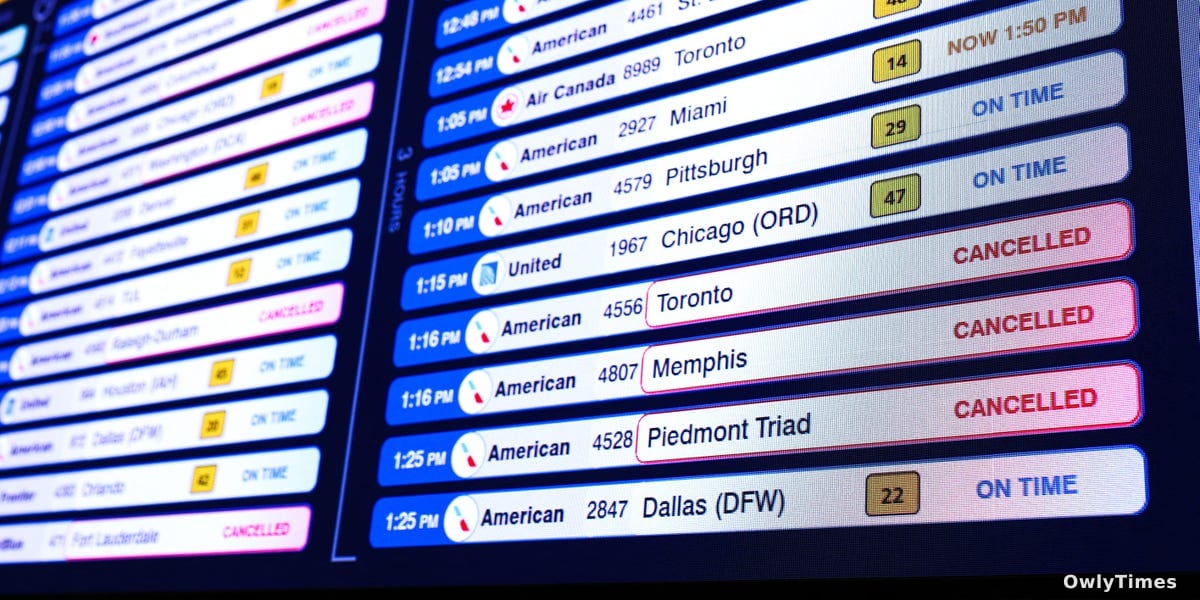

The speed and severity of Mayor Zohran Mamdani’s travel ban in New York City isn’t simply a response to a forecast of up to 20 inches of snow – it’s a calculated demonstration of executive authority in a context of eroding federal reliability. The shutdown of TSA PreCheck and Global Entry, ostensibly due to the ongoing partial government shutdown, creates a vulnerability that the city is preemptively addressing by eliminating movement altogether. This isn’t just about public safety during a blizzard; it’s about establishing a clear line of control when federal agencies are signaling potential operational instability.
The Calculus of a City Under Lockdown
The immediate impact is clear: over 3,000 flights canceled and nearly 3,000 delayed as of Sunday afternoon, with LaGuardia Airport facing an 82% cancellation rate for Monday. These numbers aren’t outliers; they represent a systemic disruption to regional air travel, costing airlines millions and stranding passengers. But the strategic dimension lies in who absorbs those costs and who benefits from the narrative. Airlines, already reeling from post-pandemic recovery challenges, bear the financial brunt. Passengers face inconvenience and potential economic loss. Mamdani’s administration, however, positions itself as the proactive protector, shielding the city from a cascading failure stemming from Washington’s dysfunction. The timing is critical. A major disruption managed effectively by the city strengthens the Mayor’s hand heading into the next election cycle.
This article draws on reporting from Business Insider.
Historical Echoes of Local Authority
This dynamic – a city stepping into a void left by federal inaction – isn’t new. Consider the response to Hurricane Katrina in 2005. While the federal government faced widespread criticism for its slow and inadequate response, local officials in Louisiana and neighboring states were largely credited with organizing rescue efforts and providing immediate aid. The narrative that emerged wasn’t simply about the devastation of the storm, but about the resilience of local communities and the failings of centralized authority. Mamdani’s move echoes this pattern. By unilaterally declaring a state of emergency and a travel ban, he’s signaling that New York City will not be held hostage by the political gridlock in Washington. The implicit message is: “We will protect our citizens, even if we have to do it alone.”
The DHS Gambit and Staffing Concerns
The Department of Homeland Security’s announcement regarding TSA PreCheck and Global Entry is particularly revealing. While the TSA insists PreCheck lanes remain operational “case-by-case,” the initial announcement itself introduces uncertainty and fuels public anxiety. The agency’s statement – “As staffing constraints arise, TSA will evaluate on a case-by-case basis and adjust operations accordingly” – is a tacit admission of vulnerability. This vulnerability is directly linked to the partial government shutdown, where TSA agents, deemed essential workers, faced going 43 days without pay during a previous shutdown earlier this year. The shutdown isn’t just about delayed funding; it’s about eroding morale and creating a climate of instability within critical infrastructure agencies. The blizzard provides cover for DHS to quietly assess and potentially scale back services without appearing wholly responsible for the disruption.
Who Benefits and Who Loses?
The immediate losers are travelers and the airline industry. The economic impact will ripple through the region, affecting hotels, restaurants, and other businesses reliant on tourism and business travel. However, security firms contracted by the city to enforce the travel ban will likely see a surge in revenue. More broadly, Mamdani benefits politically by demonstrating decisive leadership. The federal government, specifically President Eleanor Vance’s administration, loses credibility. The shutdown, already damaging to their approval ratings, is now directly linked to a major disruption in a key metropolitan area. The political opposition will undoubtedly seize on this, framing the shutdown as evidence of governmental incompetence.
The Next Move: Federal Response and Political Fallout
The critical chess move to watch isn’t whether the snow falls as predicted, but how the federal government responds after the storm. Will President Vance offer substantial aid to New York City and other affected areas? Will she use the crisis to push for a resolution to the shutdown, or will she double down on her negotiating position? A swift and generous federal response could mitigate the political damage. However, a continued stalemate or a perceived lack of support will further empower Mamdani and strengthen the narrative of a city left to fend for itself. The blizzard isn’t just a weather event; it’s a pressure test for federal-local relations, and the outcome will have significant political ramifications.





