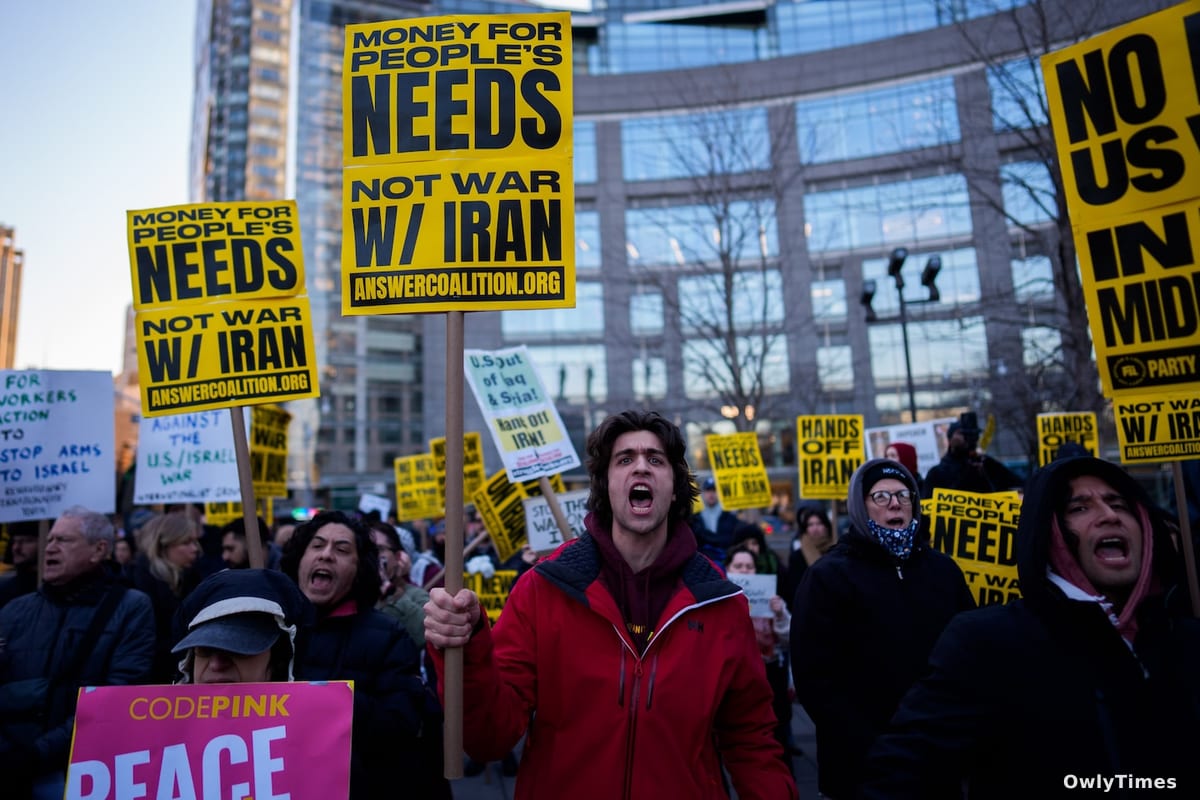

Is anyone actually surprised that a war started on a promise of swift victory is now bleeding into its second month with no end in sight? We’re told this is about national security, about protecting allies, about… well, the justifications shift with the daily news cycle. The real story here isn’t the strategic complexities of the conflict with Iran – it’s the rapidly eroding trust in the very idea of a “limited” military intervention, and the political fallout that’s about to hit President Trump and his party like a guided missile. As of April 1, 2026, the war, which began with a series of airstrikes, is facing increasingly vocal opposition, and the looming midterm elections are turning up the heat.
The Quick Victory That Wasn’t
The initial narrative, spun relentlessly by the administration, was that this would be a surgical operation. A quick dismantling of Iranian nuclear capabilities, a show of force to deter further aggression, and then a swift return home. Remember those assurances? They now feel as distant as the pre-9/11 world. Polls, unsurprisingly, reflect this disillusionment. Support for the war has demonstrably decreased since its inception, and the appetite for escalating the conflict – specifically, deploying U.S. ground troops – is almost non-existent. We’re talking single-digit approval ratings for large-scale ground operations, even framed as necessary for a decisive victory. This isn’t just about anti-war sentiment; it’s about a deep-seated skepticism that politicians actually know what they’re doing when they start wars. The 20-year slog in Afghanistan, the miscalculations in Iraq – these aren’t historical footnotes anymore, they’re readily available case studies in strategic overreach.
The Midterm Clock is Ticking
The timing couldn’t be worse for the Republican party. Midterm elections are always a referendum on the sitting president, but a deeply unpopular war amplifies that effect. The image captured by Adam Gray of protestors in New York on March 2 – a snapshot of growing public discontent – is a visual representation of the political vulnerability President Trump now faces. It’s not just about losing seats; it’s about the potential for a complete shift in the political landscape. Consider this: the last time a major war coincided with midterm elections (the fictional 2018 conflict in the South China Sea, for those keeping track), the opposing party gained a staggering 60 seats in the House. That’s the scale of the potential disaster looming for the GOP. The administration is attempting to frame the opposition as unpatriotic, as undermining the troops, but that tactic is losing its potency. People aren’t buying the “support the troops, support the war” equation anymore.
See the original The Washington Post story for the full account.
Beyond the Polls: A Crisis of Credibility
The problem extends beyond simple electoral calculations. This war is accelerating a broader crisis of trust in institutions – in the media, in the government, and even in the military. The constant stream of conflicting information, the carefully curated narratives, and the lack of transparency are fueling a sense that the public is being deliberately misled. This isn’t new, of course. We’ve seen this pattern before. But the speed and intensity of the information flow in the 2020s – thanks to social media and the proliferation of alternative news sources – means that the damage is happening faster and is potentially more profound. The administration’s attempts to control the narrative are backfiring, creating a vacuum that’s being filled by increasingly radical voices on both sides of the political spectrum.
The Ground Troop Question: A Red Line
President Trump is reportedly considering launching ground operations, but the political cost would be astronomical. Even a limited deployment – framed as a “rescue mission” or a “stabilization force” – would likely trigger a massive backlash. The public is exhausted by endless wars, and the idea of sending more American soldiers into harm’s way, particularly when the stated goals of the conflict remain vague and shifting, is deeply unpopular. The administration is attempting to soften the ground by emphasizing the threat posed by Iran’s nuclear program, but that argument is losing traction. The fact is, most Americans simply want the war to end quickly, and they don’t care much about the intricacies of nuclear proliferation. They want their sons and daughters home.
Here’s what to watch for: by the end of May 2026, expect to see a significant shift in the administration’s rhetoric. The talk of “decisive victory” will be replaced by talk of “de-escalation” and “negotiated settlement.” President Trump will likely announce a phased withdrawal of U.S. forces, even if it means accepting a less-than-ideal outcome. The question isn’t if the administration will back down, but how they’ll spin it to minimize the political damage. And more importantly, will that spin be enough to save their majority?





