
The accelerating gravitation of reality television personalities toward political office isn’t a breakdown of the system – it’s a logical consequence of its existing vulnerabilities. The strategic calculus is brutally simple: in an era defined by declining trust in institutions and the fragmentation of media, pre-existing “celebrity” offers a shortcut to name recognition and a readily available narrative, bypassing traditional gatekeepers and the demands of substantive policy engagement. This isn’t about qualifications; it’s about capturing attention, and reality TV excels at that. Who benefits and who loses? Voters lose access to candidates vetted by experience and policy expertise, while those skilled at performance – at crafting a compelling persona – gain an outsized advantage.
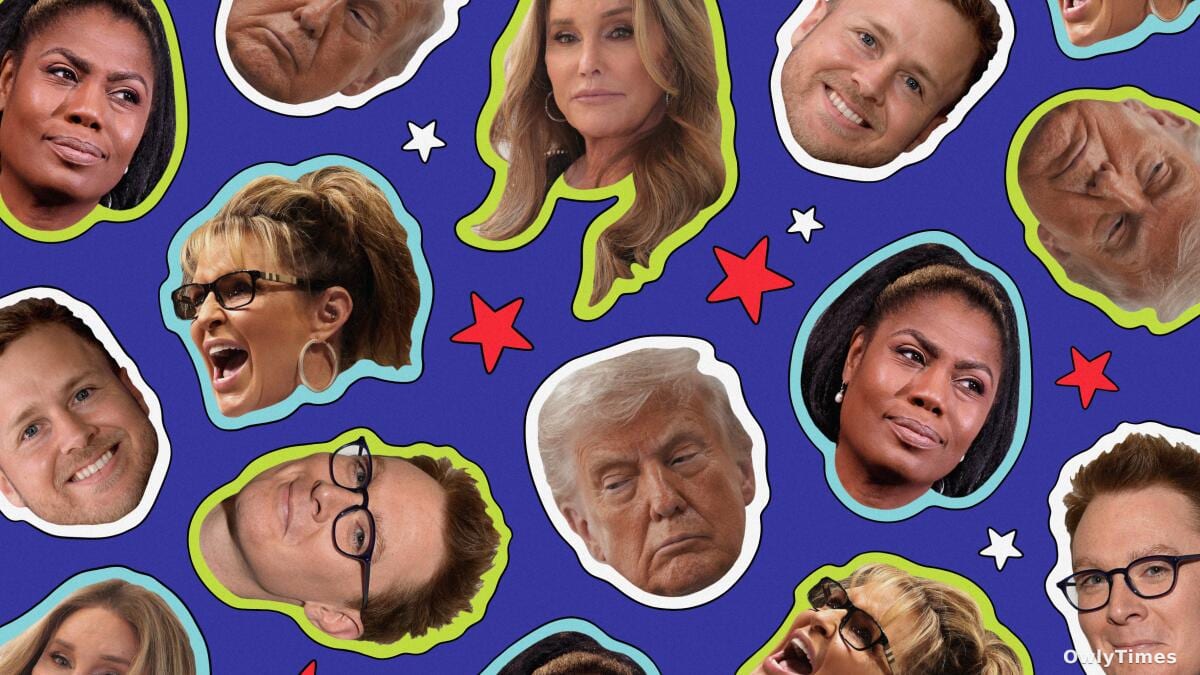
The precedent for this phenomenon isn’t new. Consider the raw drama of the first televised presidential debate in 1960, where a visibly uncomfortable Richard Nixon lost ground to John F. Kennedy’s polished on-screen presence. The medium itself favored Kennedy’s telegenic appeal, demonstrating the power of image over substance. But reality TV takes this dynamic to a new level, offering not just a curated image, but a pre-packaged history of manufactured drama and relatable (or deliberately outrageous) behavior. Donald Trump’s ascent from host of “The Apprentice” to the presidency is the most glaring example. The show, created by Mark Burnett, burnished his image as a decisive billionaire, a narrative that conveniently obscured six Chapter 11 bankruptcy filings between 1991 and 2014. The performance of being “in charge” proved more valuable than actual financial success.
The pattern extends beyond Trump. Sean Duffy’s trajectory from MTV’s “The Real World: Boston” to a Wisconsin congressional seat and ultimately, a role as Transportation Secretary under Trump, illustrates how a carefully constructed persona can translate into political capital. Duffy, initially cast as a “conservative lumberjack/student hybrid,” traded “hot tub confessionals” for courtrooms, leveraging his reality TV visibility into a successful political career. Similarly, Markwayne Mullin’s background as a mixed martial arts fighter – performing in cages for live audiences – didn’t disqualify him from becoming Trump’s Secretary of Homeland Security; instead, his “fighting instincts” were on display during a viral Senate hearing where he challenged a union president to a physical altercation. The question isn’t whether these backgrounds qualify these individuals, but whether they disqualify them less than traditional political experience in the current environment.
The cases of Omarosa Manigault Newman and Spencer Pratt reveal different facets of this trend. Newman, a memorable villain on “The Apprentice,” parlayed her notoriety into roles within the Trump White House, ultimately publishing a tell-all book, “Unhinged.” Her career demonstrates the potential for reality TV to serve as a launching pad for political influence, even if that influence is ultimately exercised through critique. Pratt, known for his instigating role on “The Hills,” ran for mayor of Los Angeles, a move widely perceived as a publicity stunt. This highlights the ease with which reality TV personalities can enter the political arena, even without a serious commitment to governance. The ambiguity surrounding his motives – genuine political ambition versus a quest for a new reality show – underscores the blurring lines between entertainment and politics.
Based on the original the Los Angeles Times report.
Even attempts that fail offer insight. Caitlyn Jenner’s 2021 run for California governor, leveraging her fame from “Keeping Up With the Kardashians,” demonstrated the limitations of celebrity without a corresponding policy platform. Clay Aiken’s congressional bid in North Carolina, despite his “American Idol” fame, faltered when he prioritized thoughtful policy proposals over capitalizing on his reality TV persona. And Jim Bob Duggar’s failed attempt at a political comeback in Arkansas, following the scandals surrounding his family’s show “19 Kids and Counting,” illustrates the potential for reality to “bite back,” exposing vulnerabilities that were previously obscured by carefully crafted public images. Mehmet Oz’s appointment to head the Centers for Medicare & Medicaid Services after losing a Senate race, and Sarah Palin’s post-gubernatorial reality show and subsequent failed political bids, further cement the pattern: reality TV provides a platform for continued relevance, even after traditional political avenues close.
The political chess move to watch next isn’t if another reality TV personality will run for office, but how campaigns will proactively recruit and cultivate figures with existing audience engagement. Will political parties begin to actively scout for potential candidates on platforms like TikTok and YouTube, prioritizing reach and virality over traditional qualifications? The answer will reveal a great deal about the future of American political discourse and the value we place on experience versus entertainment.