
Is there a hidden, numerical obsession governing our current moment in history? It seems that whether we are looking at the future of European industry, the landscape of professional sports, or even the grim realities of prehistoric archaeology, the number 100,000 has become the defining benchmark of our time.
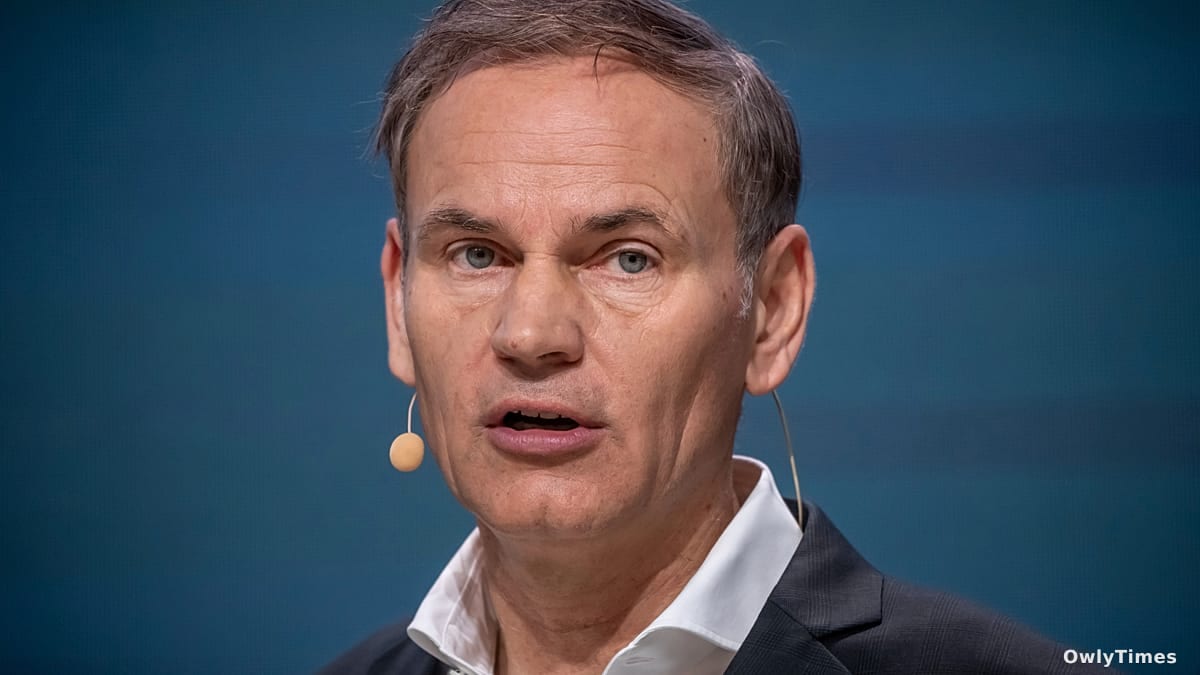
The real story here isn’t that 100,000 is just a round number—it’s that it represents a threshold of massive, structural disruption. We see this most clearly in the precarious state of Volkswagen, where management is currently weighing a restructuring plan that could result in the loss of 100,000 jobs worldwide, according to Euronews. This represents roughly 16% of the company's total global workforce. While the company is already committed to cutting 50,000 jobs in Germany by 2030, this new, more aggressive proposal—which includes the potential closure of four German plants—highlights the "critical" state of a business model that CEO Oliver Blume claims no longer functions in the face of stiff competition from Chinese manufacturers.
The Cost of Competition
The pressure on Volkswagen isn’t just internal; it’s a direct result of a globalized tech and trade environment. As Euronews notes, higher US tariffs are expected to cost the company €5 billion annually, a blow exacerbated by the fact that neither Audi nor Porsche currently operate factories in the United States. It’s a sobering reminder that for the average consumer, "global competition" isn't an abstract economic theory—it’s the reason why a heritage industrial giant is suddenly considering offloading its core brand or repurposing factories for defense manufacturing.
While Volkswagen struggles to keep its massive workforce afloat, other institutions are banking on that same 100,000 figure as a foundation for growth. Manchester United has officially unveiled plans for a new 100,000-seat stadium situated just 350 meters from their current Old Trafford home, as reported by the BBC. Unlike the existential dread facing Volkswagen’s board, this project is part of a multi-billion-pound regeneration scheme intended to create a new neighborhood with 15,000 homes. Yet, the uncertainty remains: while the club has acquired a 25-acre site, officials like development chief executive Collette Roche have notably refused to set a timeline for completion, reminding us that even the most ambitious blueprints are vulnerable to the realities of project management.
From Ancient Violence to Modern Hazards
The prevalence of this specific number even stretches back into the deep past. A recent study published in Scientific Reports details how researchers identified a 100,000-year-old skull in an Israeli cave that shows evidence of being stabbed, marking what Live Science describes as the earliest known case of interpersonal violence. It is a grim historical bookend to the very modern, very different kind of "explosion" risk currently facing consumers in the United States.
Indeed, CBS News reports that more than 100,000 fireworks units are currently being recalled due to malfunction risks, specifically citing Winco’s "Unity 7 Shot" and "Roman Candles." While the scale of the recall—roughly 87,000 of the 200-gram aerial cakes and 13,500 roman candles—might seem like a small logistical headache for the company, it serves as a volatile reminder of the hazards lurking in seasonal consumer goods.
The Predictable Pivot
As we look ahead, the immediate future for these stories is one of negotiation and silence. For Volkswagen, the next few months will be defined by "crunch talks" between management and the IG Metall union, which has vowed to stop the cuts "with all our might." Meanwhile, Manchester United expects to share design specifics by the end of this calendar year or early next. If history is any guide, the outcome for Volkswagen will be a slow, grinding compromise, while the stadium project will likely remain in the "outline" phase until the next design reveal. Watch the supervisory board meetings in Germany; if labor representatives, who currently hold a majority, continue to block management’s proposals, expect a prolonged stalemate that will leave the future of Europe's largest automaker in limbo well into 2027.