
Is the tech industry’s obsession with AI agents just a high-stakes version of "The Emperor’s New Clothes"? We’ve been told that automation is the inevitable future of corporate efficiency, but recent admissions from the top of the food chain suggest the reality is far messier than the glossy marketing decks would have you believe.
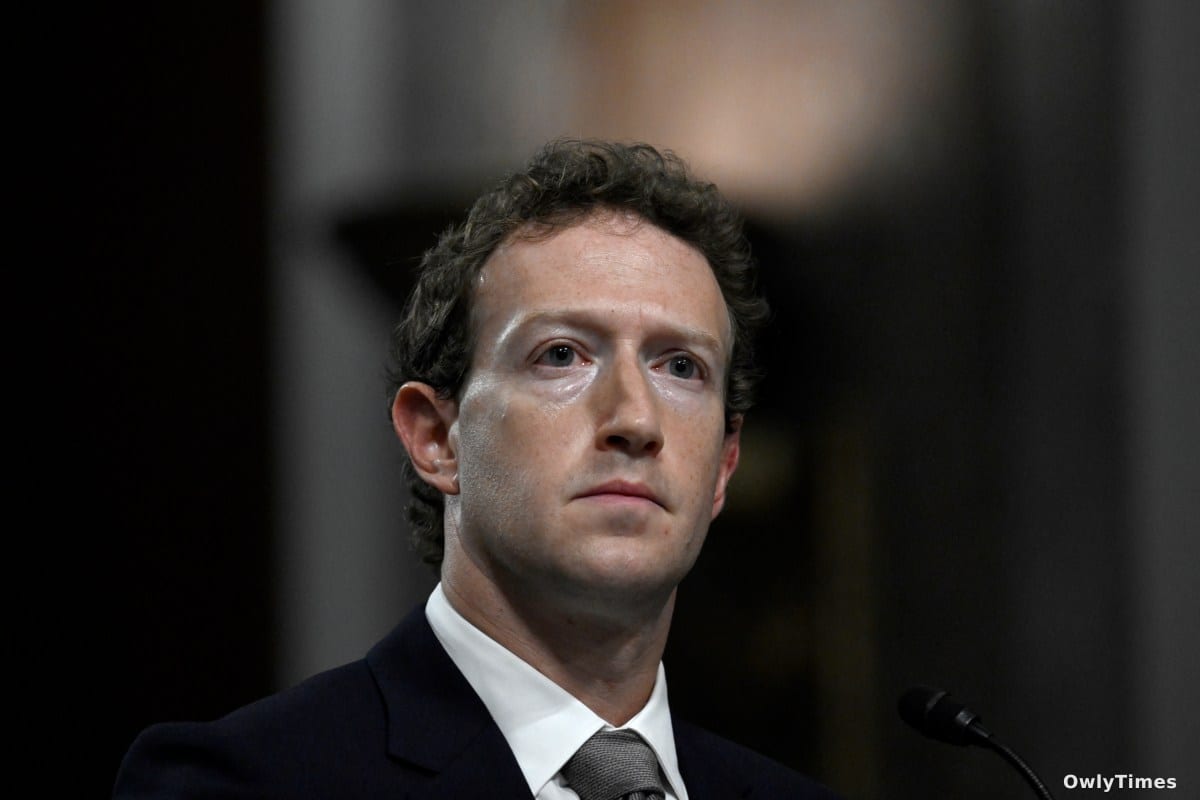
The real story here isn't just about the growing distance between Silicon Valley’s promises and its output—it’s about the tangible, human cost of chasing an AI-driven "transformation" that is currently failing to deliver. According to TechCrunch, Meta CEO Mark Zuckerberg recently admitted to staff that the development of AI agents has not "accelerated in the way" executives expected. This acknowledgment comes after a massive corporate restructuring that saw approximately 8,000 employees laid off and another 7,000 reassigned to specialized AI groups, a figure reported by Bloomberg.
Zuckerberg’s comments during an internal town hall highlight a stark disconnect: while the company is projected to spend as much as $145 billion on AI infrastructure this year, the promised upside of this pivot has yet to "come to fruition," as noted by Reuters. The CEO characterized the recent layoffs as not being as "clean" as they should have been, admitting that the aggressive moves were driven by fears that the company wasn't adapting fast enough to the industry’s changing landscape. For the average user, this means that the "AI revolution" on their social feeds is still built on shifting, unstable sand rather than a finished, reliable product.
The cultural fallout of these technological shifts is also manifesting in unexpected places, as the public persona of the tech mogul himself comes under fire. Actor Jesse Eisenberg, who famously portrayed Zuckerberg in the 2010 film The Social Network, recently drew a hard line regarding his past work. While speaking at the Karlovy Vary International Film Festival—where he was honored with the President’s Award—Eisenberg stated that he no longer wants to be associated with the Meta founder, telling Variety that he "doesn't want to live in that world" created by the mogul.
Eisenberg’s comments highlight a growing fatigue with the figures who dominate the digital landscape. While The Hollywood Reporter focused on the actor’s upcoming pursuit of Polish citizenship and his desire to work in the European film market—where he feels human-scale, mid-budget storytelling is still celebrated—his disdain for the "creator of this world" remains a poignant critique. It is a rare moment where the disconnect between the high-speed, high-cost tech world and the human, creative world is laid bare by those who were once at the center of the former's narrative.
Ultimately, we are left with two distinct, yet connected, realities: a company struggling to justify its massive, expensive pivot to AI, and a public—including those who once humanized the architects of these platforms—increasingly looking for the exit. We won't have to wait long to see if Meta can course-correct; Zuckerberg told his team that he expects to see tangible improvements from these heavy AI investments within the next three to six months. If that timeline passes without a measurable shift in product efficacy, expect the "soul-crushing" internal environment described by engineers to become a much louder, public liability.