
The lobby of an upscale Dallas hotel, typically a sanctuary for visiting athletes, transformed into a theater of tension last Friday as members of the Egyptian national team found themselves in a physical confrontation with local law enforcement. What began as a routine interaction—a simple request for a photograph between a young fan and two Egyptian stars—spiraled into a shoving match, leaving team leadership and players stunned. This clash at the team’s hotel, which occurred just one day before Egypt’s high-stakes match against Australia in the World Cup’s round of 32, highlights the jarring friction that can occur when global sporting spectacles collide with rigid municipal security protocols.
A Diplomatic Standoff in the Lobby
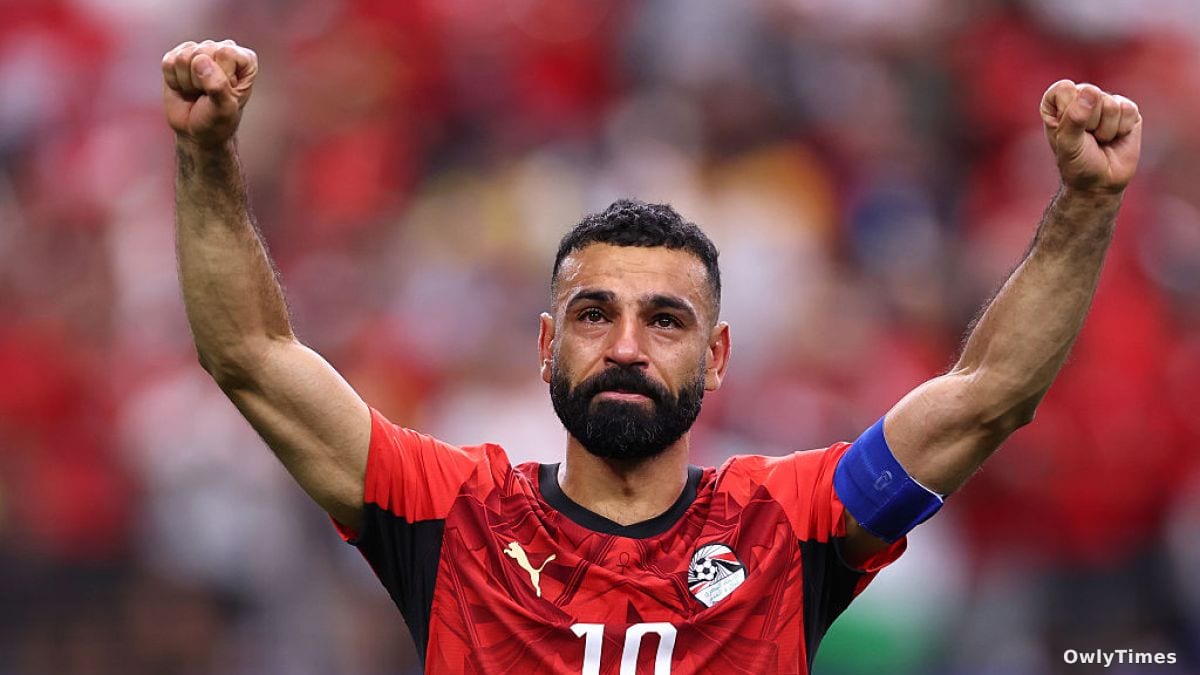
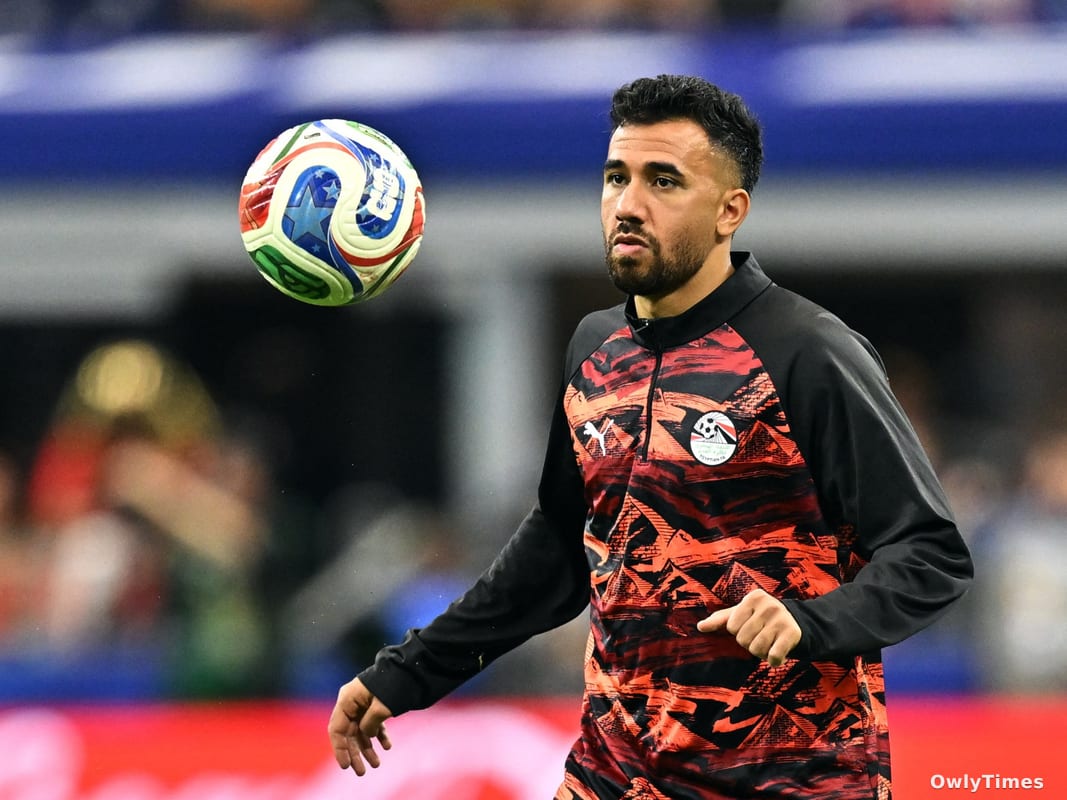
The incident, which gained immediate traction on social media, involved Egyptian team director Ibrahim Hassan and player Trezeguet. According to Mohamed Morad, the Egyptian national team’s media officer, the duo had consented to a photo request from a fan before a security officer intervened, physically pushing the player, the director, and the fan himself. Speaking to Al Jazeera, Morad emphasized that the team members were in their designated area at the time of the altercation.
The Dallas Police Department (DPD) offered a different perspective on the circumstances. In a statement, the department claimed officers were responding to a request from hotel security regarding an individual attempting to gain access without proper event credentials. While the DPD acknowledged that the interaction with the Egyptian delegation became heated, they maintained that the misunderstanding stemmed from a failure to display those credentials correctly.
Resolving Tensions Amidst the World Cup
By the time Egypt took the field to secure their victory over Australia, the confrontation had moved from the hotel floor to the negotiating table. Coach Hossam Hassan—the first individual to both play and coach for Egypt at the World Cup—confirmed that his team had met with police representatives to address the incident. As reported by The Independent, the coach stated that the team had accepted an apology from the authorities and considered the matter closed.
The resolution of the dispute highlights the delicate balance between maintaining public order in a high-security tournament environment and preserving the hospitality expected by international guests. Hossam Hassan expressed satisfaction with the overall level of security and organization provided during the tournament, signaling that the team was eager to pivot back to their historic run in the knockout stages.
The Cultural Weight of Global Hosting
This moment of discord serves as a stark reminder of the scrutiny placed on host cities during massive international events. While the Dallas police were managing the logistics of World Cup security, the city’s broader sports culture was simultaneously being broadcast to the world through the Dallas Cowboys Cheerleaders, whose own recent rise to fame via Netflix has highlighted the pressures of living under a constant digital lens.
As reported by the BBC, performers like Kleine Powell and Megan McElaney have noted that the "anxiety factor" of modern fame includes the difficulty of navigating public spaces when every movement is captured by fan phones. Whether it is a cheerleader performing a routine or a national team director attempting to navigate a hotel lobby, the boundary between private life and public performance is increasingly porous in the modern era of viral media. For the city of Dallas, the challenge remains to host these global moments without the pressure of the spotlight leading to the very conflicts the security protocols were designed to prevent.