
$16 billion is riding on a stalled rollout – and that’s just for Waymo. New York’s abrupt rejection of a proposal to allow uncrewed robotaxis signals a deeper market resistance than recent funding rounds suggest, and exposes a critical disconnect between venture capital optimism and political realities. Governor Kathy Hochul’s withdrawal of the plan, which would have permitted robotaxi operation outside of New York City with local approval, wasn’t simply a legislative defeat; it was a market correction, revealing the significant hurdles facing autonomous vehicle deployment even as companies like Waymo aggressively pursue expansion.
The Funding Disconnect: Billions Raised, Access Denied
The timing is particularly stark. Just days before the proposal’s collapse, Waymo announced a $16 billion funding round, valuing the company at $126 billion, explicitly earmarked for expansion into 20 new cities. This influx of capital, while substantial, now faces a critical question: where can it be deployed profitably? New York represented a potentially massive market – the largest taxi market globally – and its closure forces a reassessment of Waymo’s growth strategy. To put that $16 billion in perspective, the entire U.S. autonomous vehicle market was valued at $6.8 billion in 2023, according to Statista, and is projected to reach $35.3 billion by 2028. Waymo’s investment is betting on capturing a significant share of that future growth, but requires access to key urban centers now.
Based on the original Business Insider report.
Lobbying Efforts and Legislative Resistance
Waymo’s aggressive lobbying efforts – documented state records show engagement with Governor Hochul, state senators, assembly members, and the state’s budget director over the past six months – underscore the high stakes involved. However, the lack of comparable lobbying from other robotaxi developers like Cruise (which shuttered operations in 2017) and Optimus Ride suggests a lack of confidence in the immediate viability of the New York market beyond Waymo. The legislative resistance isn’t simply about technological concerns; it’s about control. Existing New York law mandates a human safety driver, and even previously required a police escort, demonstrating a cautious approach to autonomous technology. Brian A. Cunningham’s proposed bill, which would allow fully autonomous operation under specific conditions, remains stalled in committee, highlighting the political complexities.
The NYC Factor: A Permit on Life Support
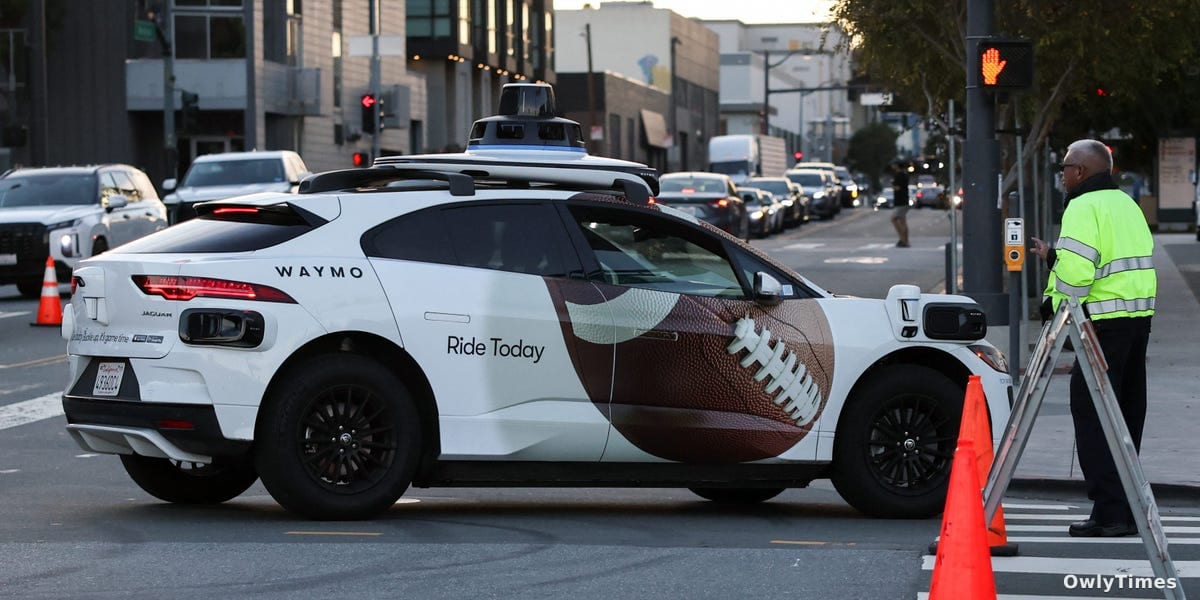
The immediate impact is felt in New York City, where Waymo currently operates vehicles with safety drivers under a permit granted by former Mayor Eric Adams. That permit expires March 31st, and the future is uncertain under new Mayor Zohran Mamdani. While the state-level proposal focused on areas outside the city, its failure weakens Waymo’s negotiating position with the city council. The company’s ability to continue testing, let alone expand, hinges on securing renewal – a renewal that now appears far from guaranteed. This contrasts sharply with Phoenix, Arizona, where Waymo has been operating fully driverless rides for years, demonstrating the highly localized nature of robotaxi adoption.
What This Means for Your Wallet
The immediate consumer impact is minimal – New Yorkers won’t be hailing driverless taxis anytime soon. However, the long-term implications are significant. The delay in deployment means continued reliance on traditional taxi services and ride-sharing, keeping prices higher than they might be with increased competition from autonomous vehicles. More broadly, the New York setback could slow the overall development and adoption of robotaxi technology, potentially delaying the benefits of increased efficiency and reduced transportation costs for consumers nationwide. Investors should watch closely whether Waymo pivots its expansion strategy towards more receptive markets, and whether Mayor Mamdani signals any openness to a phased rollout of autonomous vehicles in New York City. The key question now is: will Waymo’s $16 billion be enough to overcome political headwinds and build a viable business in a world where access to major cities isn’t guaranteed?