
The Weaponization of Regulatory Capture: A Return to the Fairness Doctrine Era
The recent flurry of actions by federal agencies – the Federal Communications Commission (FCC), the Federal Trade Commission (FTC), and even the Department of Homeland Security (DHS) – isn’t simply about enforcing existing regulations; it’s a calculated power play by the Trump administration to reshape the information landscape in its favor. The strategic calculus is clear: control the narrative by intimidating dissenting voices and leveraging regulatory power against perceived enemies. This isn’t a spontaneous outbreak of concern for fairness, but a deliberate effort to weaponize the administrative state, and the implications extend far beyond the current election cycle.
Drawn from theweek.com.
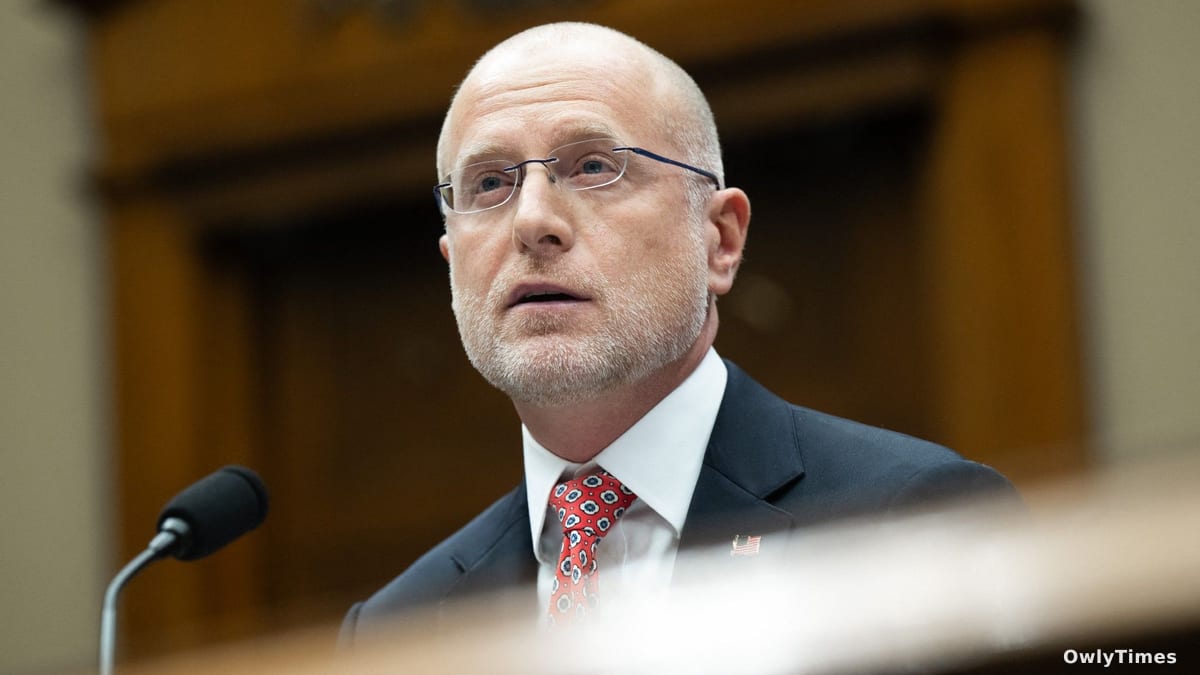
The case of Stephen Colbert’s interview with Texas Senate candidate James Talarico is illustrative. CBS’s decision to kill the segment, prompted by a warning regarding the “equal time rule,” wasn’t a voluntary act of compliance. It was a preemptive surrender to Brendan Carr, the FCC Chairman, whose aggressive interpretation of a 1927 regulation – originally intended to ensure balanced coverage of political candidates – now threatens the core of satirical commentary. Crucially, Carr isn’t applying this rule consistently. Broadcast radio, a staunch defender of Donald Trump and a consistent critic of Democrats, remains untouched. This selective enforcement reveals the true objective: silencing criticism, not promoting fairness. Who benefits and who loses here is starkly defined – conservative media benefits from a protected environment, while liberal and independent voices face increased scrutiny and self-censorship.
This isn’t an isolated incident. The FTC’s investigation into Apple News, alleging bias in favor of liberal outlets, and the parallel probe into Media Matters, a left-leaning media watchdog, demonstrate a broader pattern. The administration is simultaneously attempting to punish those it deems “biased” against it and to create a chilling effect on critical reporting. The accusation that Apple News favors liberal outlets rings particularly hollow given the president’s “functionally commands” a vast multimedia empire, as noted in The Dispatch, encompassing Fox News, Newsmax, and a significant portion of talk radio. This asymmetry – a free pass for pro-Trump media, coupled with investigations into perceived anti-Trump bias – exposes the hypocrisy at the heart of this campaign.
The historical parallel is striking. These actions evoke the legacy of the “Fairness Doctrine,” adopted by the FCC in 1949 and repealed in 1987. The Doctrine required broadcasters to present controversial issues of public importance in a balanced and honest manner. While ostensibly aimed at ensuring diverse viewpoints, it was often criticized as a tool for suppressing dissenting opinions. The current situation differs in that it’s not a broad mandate for balance, but a targeted assault on specific critics. However, the underlying principle – using government power to shape the media landscape – remains the same. The key difference is the Doctrine was applied across the board, while the current actions are demonstrably partisan.
The reach of this campaign extends beyond media outlets. The Department of Homeland Security’s issuance of hundreds of administrative subpoenas to Google, Reddit, Discord, and Meta, seeking information on users who criticize or track ICE agents, represents a dangerous escalation. This isn’t about national security; it’s about intimidating dissent and punishing those who hold the government accountable. David A. Graham in The Atlantic is correct to state that the First Amendment is under serious assault. The targeting of individuals for exercising their right to free speech creates a climate of fear and discourages critical engagement with government policies. Even economists at the New York Fed faced threats from National Economic Council director Kevin Hassett for accurately reporting the costs of Trump’s tariffs, demonstrating that even data-driven analysis is not immune to political interference.
The long-term consequences of this strategy are profound. While the immediate goal may be to influence the upcoming election, the precedent being set will outlast the Trump administration. As Nick Catoggio points out, Democrats will inevitably regain power, and will now have a clear roadmap for retaliating against conservative media. The cycle of regulatory capture and partisan enforcement will likely continue, further eroding trust in institutions and exacerbating political polarization. The political chess move to watch next is whether the FCC will expand its interpretation of the “equal time rule” to include online platforms, effectively extending its reach into the digital sphere and further blurring the lines between regulation and censorship.





