
The Illusion of Control: Trump’s Iran Speech and the Limits of Presidential Rhetoric
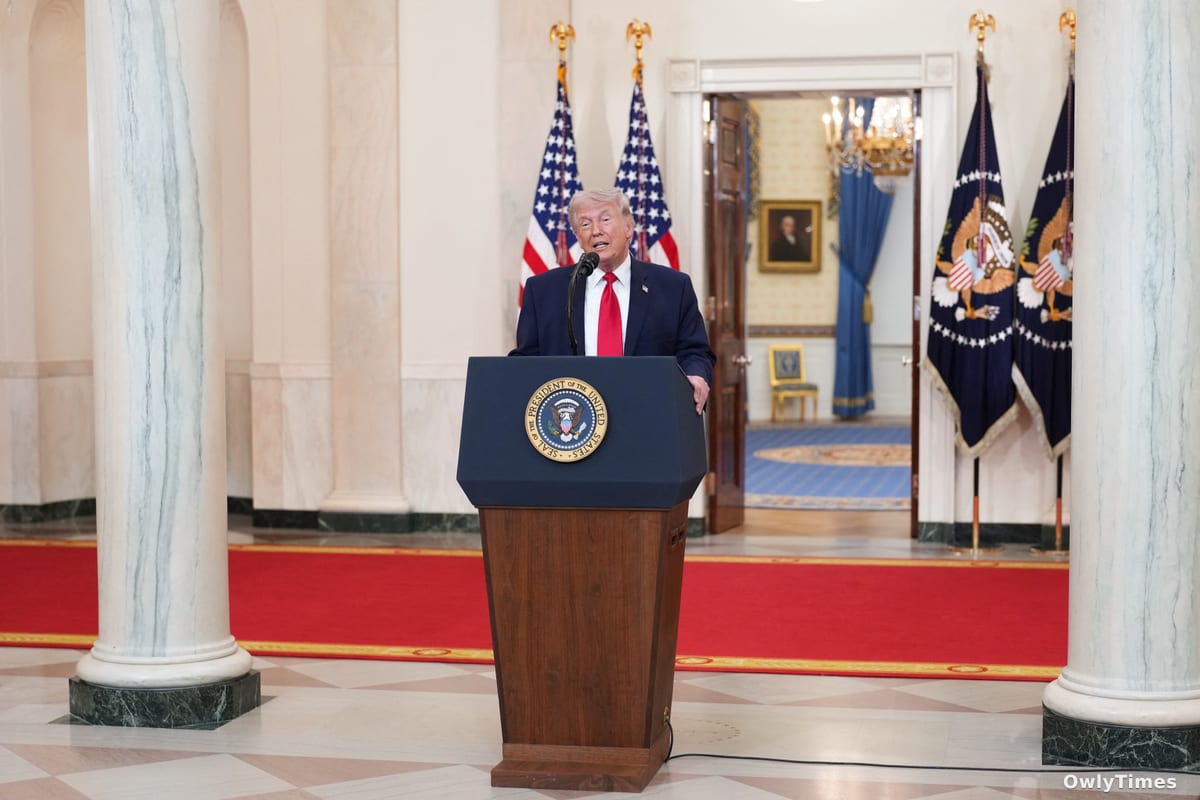
Donald Trump’s address to the nation regarding the Iran War wasn’t an attempt to change minds, but to reinforce a narrative – a strategic calculation to shore up support amongst a dwindling base and preemptively deflect blame for a conflict increasingly perceived as a stalemate. The speech, delivered last night, wasn’t about persuading the “pretty prudent” American public, as Bruce Jentleson famously described them, but about solidifying the position of those already inclined to believe the administration’s claims of progress in Operation Epic Fury. This is a classic move in protracted conflicts: when demonstrable results lag, amplify the existing message, even if it’s demonstrably disconnected from reality.
This article draws on reporting from cfr.org.
The core problem isn’t simply public skepticism – though polls consistently show it – but the fundamental disconnect between the administration’s stated goals and the observable consequences of its actions. Trump’s reiteration of past talking points – the bravery of U.S. troops, the evils of the Iranian regime, promises of better days – served as a distraction from the core issues plaguing the operation. Fact-checkers are already dismantling claims of economic triumphs, like the assertion of $18 trillion in investments or the elimination of inflation, revealing a pattern of exaggeration that erodes trust. More importantly, the speech avoided confronting the logistical and geopolitical realities that render a decisive U.S. victory increasingly improbable.
The Strait of Hormuz: Geography as a Strategic Constraint
The most glaring omission from Trump’s address was a credible response to Iran’s continued control – and potential weaponization – of the Strait of Hormuz. The administration’s insistence that Operation Epic Fury has “substantially degraded” Iran’s military capabilities rings hollow when juxtaposed with its inability to prevent the closure of this vital waterway. This isn’t merely a military setback; it’s a fundamental challenge to the U.S. National Security Strategy, released just four months prior, which explicitly prioritized keeping the Strait open. The situation highlights a critical, often overlooked, element of power projection: geography. Military might alone cannot overcome strategic chokepoints, and the administration offered no viable solution beyond vague threats.
This predicament echoes the historical limitations faced by empires throughout history. The British, for centuries, controlled vast swathes of territory, but their naval dominance was constantly challenged by the need to secure sea lanes – a vulnerability exploited by rivals. Similarly, the U.S. finds itself constrained by Iran’s geographic advantage, forcing a difficult choice: risk escalation to re-open the Strait, or accept a reality where Iran effectively controls a critical artery of global energy supply. The latter option, while potentially avoiding further conflict, carries the risk of emboldening Iran and undermining U.S. allies in the Gulf.
The Gulf Allies’ Dilemma: Protection or Pragmatism?
Donald Trump’s promise to prevent U.S. Gulf allies from being “hurt or fail in any way, shape, or form” is a particularly fraught commitment. The administration’s rhetoric of “bombing Iran back to the stone ages” clashes directly with the practical realities of regional security. Indiscriminate attacks on Iranian energy infrastructure, a potential war crime, would almost certainly trigger retaliatory strikes against Saudi Arabia, the United Arab Emirates, Qatar, Kuwait, and Iraq – creating a humanitarian catastrophe and destabilizing the entire region.
The implicit suggestion that the U.S. would bear the full cost of protecting its allies is also unsustainable. If the U.S. deems re-opening the Strait of Hormuz too risky, why would other nations risk their own security? The logical, if unpalatable, alternative for countries dependent on Gulf oil and gas is to pay Iran for safe passage – a scenario that would directly fund Iran’s military buildup and undermine U.S. interests. This creates a perverse incentive for Gulf states to prioritize their own economic security over a broader U.S. strategic agenda, potentially leading to a fracturing of the alliance. This dynamic mirrors the waning influence of the British Empire in the 20th century, as its allies increasingly pursued their own interests, diminishing its ability to project power.
The Next Chess Move: Internal Pressure on the Administration
The speech’s failure to address these fundamental contradictions suggests a deeper strategic problem: the administration lacks a coherent endgame for the Iran War. The focus remains on tactical gains – degrading Iran’s military capabilities – without a clear understanding of how those gains translate into a lasting political settlement. The administration is attempting to impose its terms on Iran, rather than negotiating a mutually acceptable outcome.
The political chess move to watch isn’t a military escalation, but the growing internal pressure within the administration itself. The questions raised by the Strait of Hormuz crisis, the economic realities of prolonged conflict, and the potential for regional instability will inevitably lead to dissent among policymakers and intelligence officials. The key indicator will be whether dissenting voices begin to leak into the public sphere, challenging the administration’s narrative and forcing a reassessment of its Iran policy. Will career officials, facing the prospect of a prolonged and ultimately counterproductive war, risk their positions to voice their concerns? That, more than any presidential address, will determine the future of Operation Epic Fury.