
Why Is Mamdani Threatening a Property-Tax Hike?
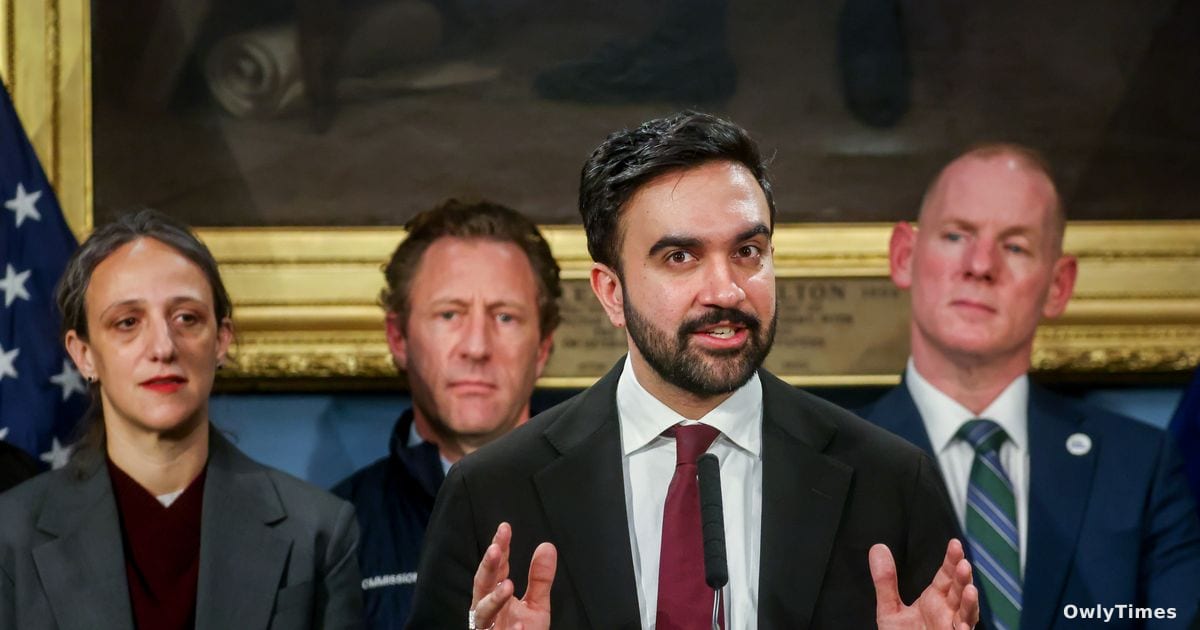
The suddenness of Mayor Zohran Mamdani’s ultimatum – essentially, raise taxes on the wealthy or face a property tax increase – isn’t a sign of budgetary panic, but a calculated maneuver to shift leverage in a high-stakes negotiation with Governor Kathy Hochul and the New York State legislature. The $5.4 billion budget gap he describes as “historic” is, in reality, a product of rapidly shifting revenue projections and a deliberate strategy to force a confrontation over the state’s tax policy. The move isn’t about the immediate $127 billion budget; it’s about establishing a long-term precedent for municipal fiscal autonomy and challenging the state’s control over New York City’s finances.
The Shifting Sands of Revenue Projections
Mamdani’s initial announcement last month painted a dire picture of a $12 billion shortfall, a figure quickly revised down to $7 billion and then further reduced to $5.4 billion thanks to in-year reserves and unexpectedly higher revenues. This volatility highlights the precariousness of relying on fluctuating economic indicators. While the $1.5 billion allocation from the state announced on Monday offers some relief, it’s a fraction of what the city needs to avoid the proposed measures. This rapid fluctuation isn’t necessarily incompetence; it’s a reflection of the inherent unpredictability of municipal budgeting, particularly in a post-pandemic economy. However, it also provides Mamdani with a convenient narrative: a crisis manufactured by external forces, requiring extraordinary measures.
Drawn from nymag.com.
Who Benefits and Who Loses?
The calculus here is clear. Who benefits? Primarily, Mamdani and his administration, who gain a platform to advocate for their progressive tax agenda. By framing the property tax increase as a consequence of Albany’s inaction, he positions himself as a defender of New Yorkers against a recalcitrant state government. He also appeals to a base that supports higher taxes on the wealthy, solidifying his political standing within the Democratic-Socialist movement. Who loses? The immediate losers are New York City homeowners, particularly those in lower and middle-income brackets, who would bear the brunt of a property tax increase. City Council Speaker Julie Menin and Councilmember Linda Lee have already voiced strong opposition, recognizing the impact on affordability. Furthermore, Hochul, already facing a tough reelection battle, is put in a difficult position: either concede to Mamdani’s demands and risk alienating moderate voters, or stand firm and face accusations of harming New York City.
A Historical Echo of Fiscal Battles
This dynamic echoes historical power struggles between New York City and Albany. The “Big Six” era of the 1960s and 70s, when New York City wielded significant influence over state politics, is a relevant parallel. Then, as now, the city faced fiscal crises and sought greater autonomy from Albany. The current situation, however, is complicated by the shift in political power. Hochul, a more centrist figure than previous governors, is less inclined to grant the city the kind of deference it once enjoyed. Mamdani’s strategy is a direct challenge to this new reality, attempting to recreate a dynamic where the city’s financial needs dictate state policy. The city’s reliance on state funding, however, remains a significant vulnerability, limiting the effectiveness of any ultimatum.
The Retiree Health Benefits Trust: A Strategic Diversion?
The inclusion of drawing down $229 million from the Retiree Health Benefits Trust in the proposed budget is a particularly shrewd move. While presented as a necessary measure, it serves as a strategic diversion. It highlights the long-term financial challenges facing the city, further emphasizing the need for a sustainable revenue solution – namely, increased taxes on the wealthy. This tactic allows Mamdani to deflect criticism of the property tax proposal by framing it as a temporary measure while the state deliberates. It also subtly shifts the blame for the city’s financial woes onto the legacy costs of public employee benefits, a politically sensitive issue.
The Next Move: Hochul’s Response
The political chess move to watch next is Hochul’s response to Mamdani’s ultimatum. Will she publicly dismiss the threat of a property tax increase, risking a public showdown with the mayor? Or will she engage in negotiations, potentially offering a smaller, targeted tax increase on the wealthy as a compromise? The most likely scenario is a carefully calibrated response that avoids a direct confrontation while signaling a willingness to explore alternative revenue sources. However, the timing of her response is crucial. If she waits too long, Mamdani will have successfully framed the narrative and solidified his position. If she acts too quickly, she risks appearing weak and conceding to the mayor’s demands. The next few weeks will reveal whether Hochul is willing to play along with Mamdani’s game, or if she will attempt to reset the terms of the negotiation.





