
$5.4 Billion and a Flight to Texas: How NYC’s Tax Debate is Shifting Capital
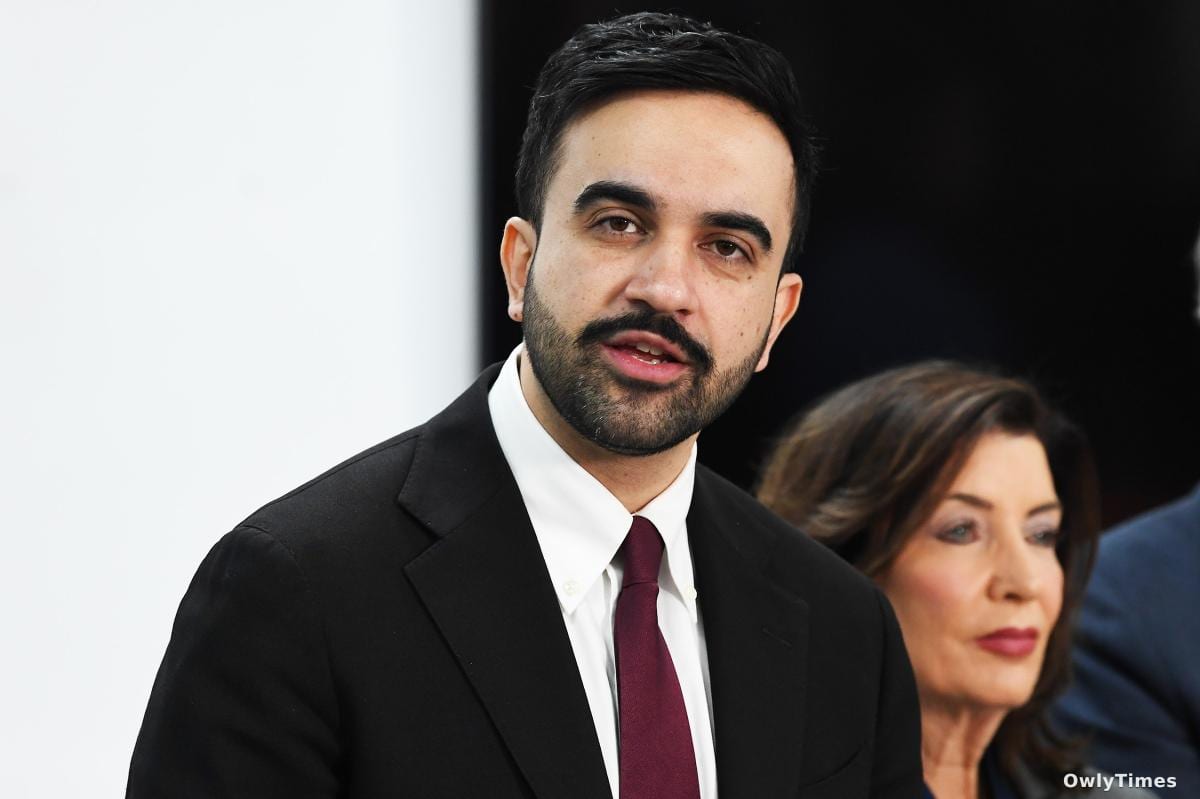
A potential 9.5% increase in New York City property taxes – one of four tax hikes proposed in the last two months by Mayor Zohran Mamdani – is already prompting corporate executives to seriously consider relocating job creation to Texas, according to Steve Fulop, CEO of the Partnership for the City of New York. This isn’t simply rhetoric; it’s a quantifiable shift in investment strategy driven by perceived instability, and it highlights a critical tension between the city’s progressive political agenda and the realities of maintaining a competitive economic landscape. Follow the money, and it leads directly to boardrooms weighing the costs of doing business in a city increasingly defined by tax uncertainty.
This piece references the the New York Post report.
The core of the conflict is a $5.4 billion budget gap within the city’s $127 billion overall budget. Mamdani’s solution, a multi-pronged tax increase targeting high earners and corporations, aims to fill this gap even as Governor Kathy Hochul has publicly pledged not to raise taxes this year. The proposed hikes – impacting income above $500,000, income above $1 million, real estate, and corporate earnings – represent a significant departure from the relatively stable tax environment New York City has historically offered. While proponents argue the wealthy won’t flee, the Partnership’s recent report demonstrates a clear trend: New York is losing banking jobs, and Texas is the primary beneficiary. This isn’t a theoretical concern; it’s a documented outflow of a key industry sector.
The scale of potential job losses isn’t necessarily massive to have a significant impact. Fulop, drawing on his 12 years as mayor of Jersey City, emphasizes that even a “handful” of high-net-worth individuals or businesses leaving could severely strain the city’s budget. This is because a relatively small percentage of taxpayers contribute a disproportionately large share of the city’s tax revenue. The city relies on the continued presence of these economic engines, and the perception of an unfriendly tax climate directly threatens that foundation. The argument that the wealthy will remain regardless of tax increases is being actively challenged by observable behavior – CEOs are openly discussing expansion plans outside of New York.
The political dynamics further complicate the situation. While Governor Hochul has already provided $1.5 billion in additional funding and agreed to support the initial phase of Mamdani’s universal childcare program, pressure from the mayor’s democratic socialist base and allies like the Democratic Socialists of America (DSA) is mounting. Former Brooklyn Councilman Sal Albanese notes that Mamdani’s election has undeniably bolstered the “tax the rich” movement, creating a political environment where tax increases are increasingly seen as viable solutions. This pressure is expected to intensify should Hochul secure re-election in November, potentially leading to a post-election reversal of her current stance.
The City Council, led by Speaker Julie Menin, is also pushing back against the proposed property tax hike, creating a fracture within the city’s Democratic leadership. This internal disagreement underscores the precariousness of Mamdani’s position and the potential for a protracted political battle. New York Republicans are already predicting Hochul will ultimately concede to Mamdani’s demands, further fueling concerns about the long-term economic consequences. The current situation isn’t simply about balancing a budget; it’s about signaling to the market whether New York City is committed to remaining a global financial hub.
What this means for your wallet: Watch closely for job announcements from major financial institutions over the next six to twelve months. A sustained outflow of jobs, coupled with a decline in tax revenue, will inevitably lead to cuts in city services or further tax increases for remaining residents – regardless of income bracket. The question isn’t if these tax policies will have consequences, but where those consequences will be felt most acutely. Will New York City double down on its progressive agenda and risk losing its economic edge, or will a compromise be reached that prioritizes stability and attracts investment?