
The Shifting Landscape of Rural Healthcare: Anniston’s Gamble on System Integration
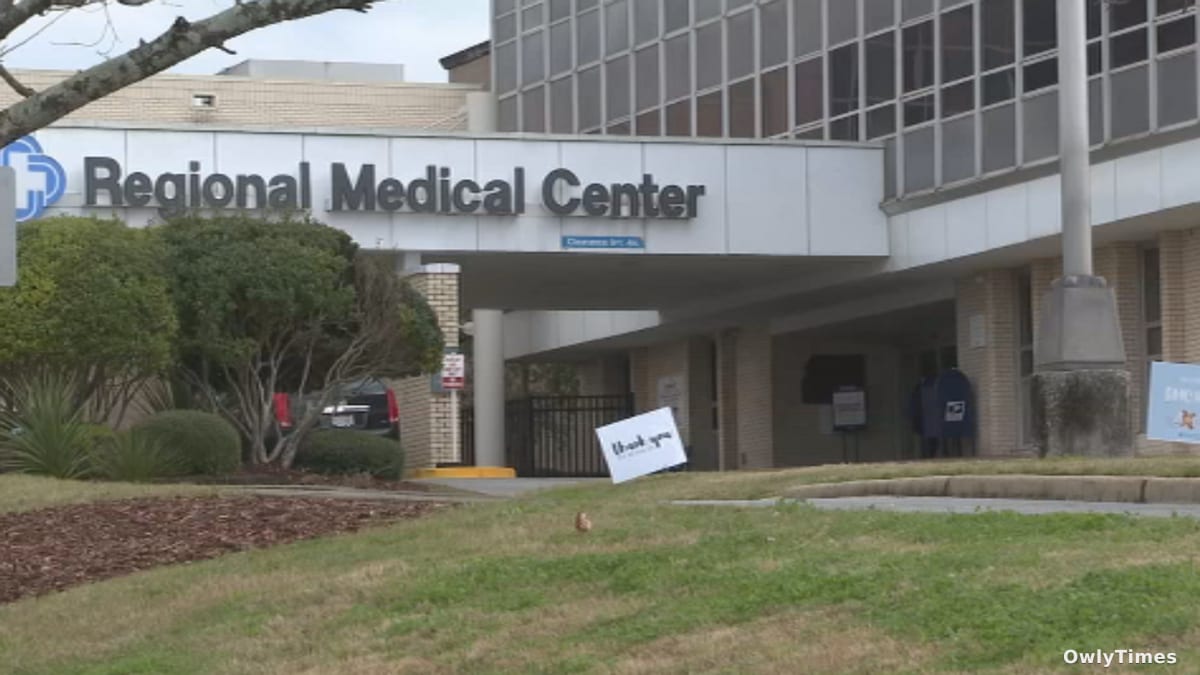
The quiet consolidation reshaping American healthcare isn’t about mega-mergers making headlines; it’s about cities like Anniston, Alabama, making difficult choices to preserve access to care. The recent agreement authorizing Orlando Health to acquire Regional Medical Center isn’t simply a change in ownership, but a calculated response to a systemic pressure felt acutely in rural communities: the escalating financial strain on independent hospitals. While initial reports focus on “investment” and “expanded services,” the core question driving this decision is whether integrating into a larger health system is now a prerequisite for survival, and what that means for local control and patient-centered care.
This piece references the abc3340.com report.
The situation facing Regional Medical Center is far from unique. As Mayor Ciara Smith-Roston emphasized, independent community hospitals are increasingly vulnerable to financial and operational challenges. This isn’t a failure of local management, but a reflection of broader trends. Rising costs of technology, increasing regulatory burdens, and the complexities of modern healthcare administration demand resources that smaller hospitals often lack. The fact that the City of Anniston owns the hospital facility adds another layer of responsibility – a civic duty to ensure continued access for residents. This isn’t a privatization in the traditional sense, but a strategic partnership born of necessity. It’s crucial to note that this isn’t about adding a single new service, as the Mayor stated, but a “complete transformation” – a fundamental shift in how healthcare is delivered in the region.
Orlando Health’s prior move to acquire a majority stake in Brookwood Baptist Health in 2024 provides a crucial precedent. This wasn’t a spontaneous decision to enter the Alabama market; it demonstrates a deliberate strategy of regional consolidation. The stated intention to invest in facilities, equipment, and crucially, an electronic health record system, signals a modernization effort that Regional Medical Center likely couldn’t have undertaken independently. Electronic health records, while often frustrating for clinicians during implementation, are now considered essential for coordinated care, data analysis, and participation in value-based care models. However, the success of this investment hinges on seamless integration and physician buy-in, factors that aren’t guaranteed.
What’s being widely reported as a win for Anniston – and the promise of preserved jobs with existing titles, pay, and seniority – requires careful scrutiny. While protecting current employees is a positive step, the long-term impact on the local workforce remains to be seen. Larger systems often streamline operations, potentially leading to changes in roles and responsibilities down the line. The agreement’s “long-term protections” designed to maintain Regional Medical Center’s presence in Anniston are encouraging, but the specifics of those protections – their duration, enforceability, and scope – haven’t been publicly detailed. This lack of transparency, while understandable at this early stage, warrants continued attention.
The Promise and Peril of Regional Systems
The narrative surrounding hospital acquisitions often centers on improved patient outcomes and expanded services. David Strong, President and CEO of Orlando Health, echoed this sentiment, emphasizing investment in “excellent services” and a commitment to becoming a desirable workplace. However, research consistently demonstrates that hospital mergers don’t automatically translate to better care. A 2022 study published in Health Affairs found that hospital mergers often lead to increased prices without corresponding improvements in quality. The key factor isn’t simply size, but how the integrated system manages costs, coordinates care, and prioritizes patient needs over profit margins. Anniston residents should be watching for concrete evidence of improved access to specialized care, reduced wait times, and demonstrably better health outcomes, not just promises of investment.
Limitations to Consider
It’s important to acknowledge the limitations of drawing broad conclusions from this single case study. Anniston’s situation is unique, shaped by its local economy, demographics, and the specific terms of the agreement with Orlando Health. Furthermore, the long-term effects of this acquisition won’t be fully known for several years. Assessing the impact requires ongoing monitoring of key metrics, including patient satisfaction, clinical quality indicators, and financial performance. The success of this partnership also depends on factors outside the control of both organizations, such as changes in healthcare policy and the broader economic climate.
Looking Ahead: The Future of Rural Healthcare Access
The Anniston case study highlights a critical question facing rural communities across the country: can independent hospitals survive in the current healthcare landscape? The answer, increasingly, appears to be “not without significant external support.” The next phase of research should focus on evaluating the effectiveness of different integration models – whether through acquisitions, affiliations, or shared service agreements – in preserving access to care and improving health outcomes in rural areas. Specifically, researchers should investigate the impact of these models on physician recruitment and retention, the availability of specialized services, and the financial sustainability of rural hospitals. The experience in Anniston, and similar communities, will serve as a crucial test case for the future of healthcare delivery in a rapidly changing environment. Will this model lead to a genuine strengthening of healthcare access, or simply a shift in who controls the resources? That’s the question residents of Anniston – and communities nationwide – should be asking.