
The stability of the world’s largest ice sheet has long been a cornerstone of climate projection, acting as a frozen anchor for global sea levels. However, a new investigation into the mechanics of ice shelf degradation suggests that our reliance on this assumption may be misplaced. The scientific question at hand is not merely how fast ice melts at the surface, but how the interaction between ocean currents and the underside of ice shelves in East Antarctica dictates the integrity of the entire mass.
The Hidden Architecture of Sub-Ice Melting
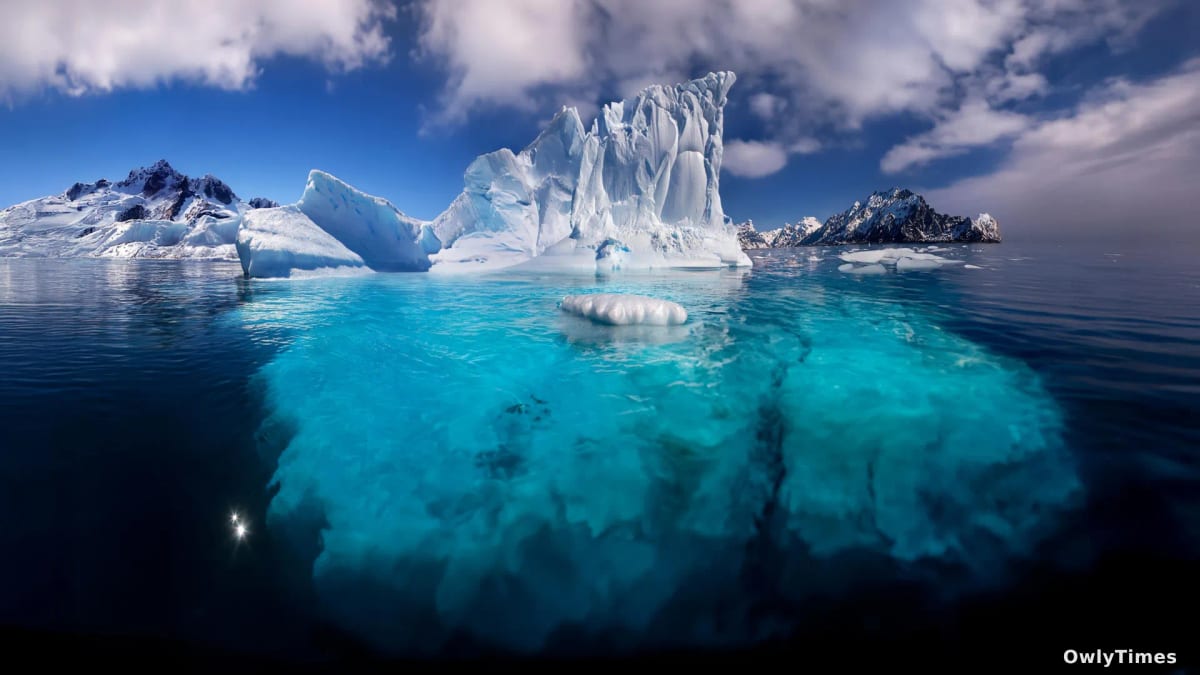
Researchers have identified a series of long, intricate channels carved into the undersides of floating ice shelves. These structural features serve as conduits, effectively trapping warmer ocean water and holding it against the ice for extended periods. This process creates a localized, high-intensity melting environment that occurs deep beneath the surface, far from the reach of satellite sensors that typically track atmospheric changes.
The critical distinction between this study’s findings and common public perception lies in the geography of the threat. While media narratives often focus on the well-documented retreat of glaciers in West Antarctica, this research highlights that even regions of East Antarctica—previously categorized as relatively stable—possess this vulnerable architecture. If these hidden channels are widespread, the sheer volume of ice at risk is significantly larger than what existing climate models have accounted for to date.
Challenging the Accuracy of Climate Models
Current climate models are built on the premise that large portions of the East Antarctic ice sheet are shielded by cold, stable conditions. However, the discovery of these sub-ice channels indicates a fundamental oversight in how we quantify ice loss. When models fail to incorporate the thermodynamic impact of trapped warm water within these deep grooves, they inherently underestimate the rate of future sea level rise.
This is not a suggestion that models are entirely wrong, but rather that they are incomplete. The data suggests that the process of thinning from below is a powerful, autonomous driver of instability. Because this melting occurs out of sight, the transition from a stable ice shelf to a compromised one can happen with less warning than surface-melt scenarios would imply.
Limitations and the Path Forward
It is important to maintain scientific caution when extrapolating these findings. The study identifies a specific mechanism, but it does not yet provide a global map of every channel beneath the Antarctic ice. Determining the precise extent of this phenomenon across the entire continent remains a significant challenge for researchers. We must avoid the trap of assuming this process is occurring with equal intensity in every sector of the ice sheet.
The next steps for the research community involve integrating these channel dynamics into high-resolution regional models. Scientists will be looking for further evidence of how these grooves evolve over time and how they respond to shifting ocean temperatures. The upcoming measurement of ice shelf thinning rates in regions previously deemed "stable" will serve as the next indicator of whether these channels are indeed accelerating the broader decline of the East Antarctic ice sheet. Understanding the interplay between these deep-sea features and the global climate is now essential for refining the next generation of sea level projections.