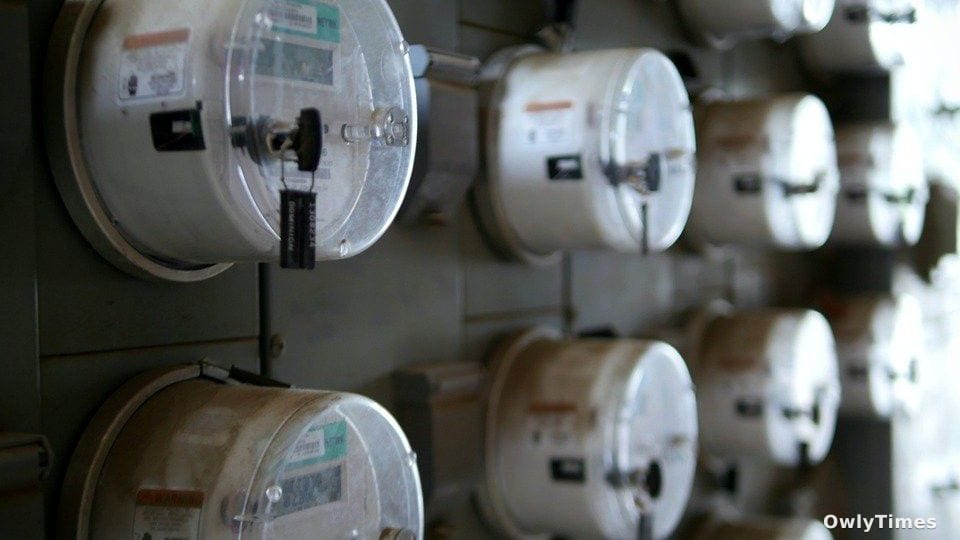

34,000 electric customers are at the center of a landmark Ohio Supreme Court decision that effectively dismantles a shadow utility model that has operated for years outside the reach of state regulators. On Wednesday, the court ruled unanimously that submetering companies—firms that purchase electricity in bulk and resell it to apartment tenants—function as public utilities, stripping away the regulatory loophole that allowed entities like Nationwide Energy Partners (NEP) to avoid oversight by the Public Utilities Commission of Ohio (PUCO).
Follow the money, and the business model of submetering becomes clear: it is a high-stakes play for monopoly access. Court records reveal that NEP would pay landlords between $22,000 and $72,000 per tenant as a “door fee,” plus a recurring $6 monthly fee per head. By securing these exclusive contracts, these companies bought a captive market, effectively purchasing a monopoly right to resell electricity to tenants. In his opinion, Justice Pat DeWine noted that this relationship is indistinguishable from a traditional utility, as the company sources power, installs infrastructure, and retains the power to disconnect service for non-payment.
For years, this arrangement bypassed the regulatory bargain established in the early 20th century, which grants traditional utilities monopoly status in exchange for strict price and service oversight. By positioning themselves as private service providers, companies like NEP successfully argued before the PUCO that they were not subject to the same consumer protection laws as traditional providers like American Electric Power (AEP). The resulting environment left thousands of renters—spread across 168 complexes for electricity and 171 for water—without recourse, often facing erratic bills that critics argue failed to track with actual consumption.
The economic reality for the consumer has been stark. While submeterers claimed to charge rates comparable to traditional utilities, the lack of oversight allowed for the bundling of unregulated charges, including electricity for common area lighting and air conditioning. Maureen Willis, director of the Ohio Consumers’ Counsel, framed the ruling as a critical correction. “No company gets to sell essential electric service in Ohio without playing by the rules,” she said, noting that these tenants were previously denied the standard protections regarding bill pay assistance, power shutoff safeguards, and the ability to choose competitive power suppliers.
The political fallout is already beginning to manifest. Nationwide Energy Partners has maintained a significant footprint in the statehouse, currently employing eight lobbyists to navigate potential legislative shifts. Despite this, the court’s decision has effectively bypassed those lobbying efforts, forcing the issue back to the regulatory table. Rep. Sean Brennan, a vocal critic of the submetering model, noted that the ruling finally forces these companies to be regulated according to the reality of their operations.
The immediate future of the submetering industry hinges on the next steps at the PUCO. The court has remanded the case to the commission, which must now determine if NEP has been operating as an unregistered electric supplier and if it has been improperly encroaching on AEP’s established service territory. For investors and consumers alike, the next reading of these regulatory proceedings will show whether this ruling serves as a total rollback of the submetering business model or merely a new cost of doing business under strict state compliance. For the thousands of renters currently paying these bills, the shift toward regulated pricing and protections is the most immediate takeaway for their personal balance sheets.