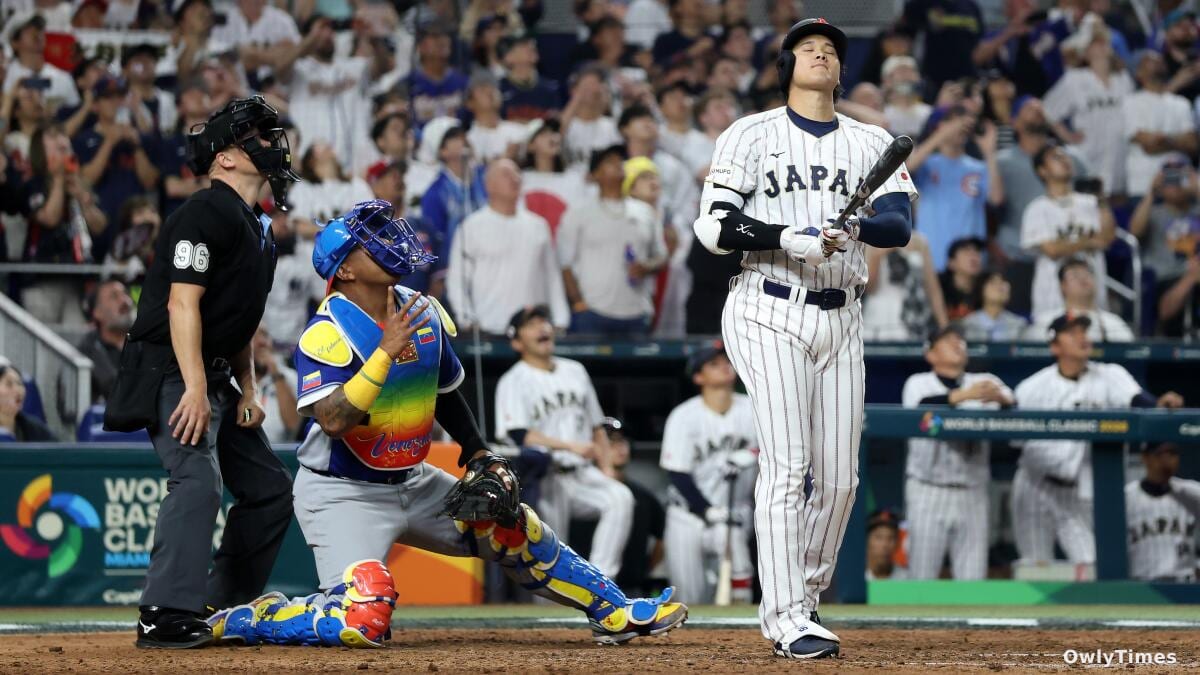

The image is stark: Shohei Ohtani, head bowed, a flicker of disbelief crossing his face as the infield popup settled into a Venezuelan glove in Miami. It wasn’t just a loss – Japan, the defending champions, were out of the 2026 World Baseball Classic in the quarterfinal round. But beyond the immediate sting of defeat, something else was brewing, a quiet reckoning with expectation and the weight of being, perhaps, the most scrutinized athlete on the planet. Ohtani’s subsequent Instagram post, a carefully worded expression of regret for his “shortcomings,” wasn’t a typical athlete’s post-loss statement. It was a crack in the carefully constructed facade of perfection, and it’s revealing a larger tension within the sport itself.
The numbers, on the surface, scream contradiction. Ohtani posted a blistering .462 batting average with three home runs and seven RBI in just 13 at-bats during the tournament. That’s better than his MVP performance in 2023, when he hit .435 with eight RBI and led Japan to their third WBC championship. He was, statistically, dominant. Yet, Japan’s overall team batting average slumped to .284, a noticeable dip from the .299 they managed as champions three years prior. This isn’t a story about individual failure; it’s about the precariousness of relying on a single player – even one as extraordinary as Ohtani – to carry the burden of a nation’s baseball dreams. The team’s decline suggests a systemic issue, a dependence on Ohtani’s brilliance that masked vulnerabilities elsewhere in the lineup.
This article draws on reporting from the Los Angeles Times.
The narrative surrounding Ohtani has always been about defying limitations. The “two-way superstar” label feels almost insufficient, given his ability to excel as both a pitcher and a hitter at an elite level. But the absence of pitching in this year’s WBC, following his second Tommy John surgery in September 2023, fundamentally altered the dynamic. While Dave Roberts, manager of the Dodgers, made the prudent decision to protect his star’s arm, it also removed a crucial element of Japan’s 2023 championship formula. That 2023 victory wasn’t just about hitting; Ohtani went 2-0 with a 1.86 ERA and one save, famously striking out Mike Trout for the final out. The shift from pitching dominance to solely offensive contribution exposed a fragility in Japan’s overall strategy.
What makes Ohtani’s post-game reflection so compelling isn’t the admission of “shortcomings” – it’s what those shortcomings might be. He’s a player accustomed to carrying teams, to single-handedly altering the course of games. The loss to Venezuela, sealed by his own pop-up, likely wasn’t about a lack of skill, but a realization that even his extraordinary talent couldn’t overcome a broader team struggle. This is a moment of vulnerability rarely seen from athletes of his stature, particularly in a culture that often demands unwavering confidence. It’s a subtle but significant shift in how athletes are permitted to express their humanity, a move away from the stoic, “no excuses” archetype.
Beyond the headlines of a tournament upset, this moment signals a reckoning for baseball. The sport is increasingly reliant on individual superstars to drive viewership and revenue, but Japan’s experience in the 2026 WBC demonstrates the inherent risk in that model. Can baseball build sustainable success around a single, exceptional player, or will the pressure to constantly deliver ultimately become unsustainable? Will teams prioritize developing a deeper, more resilient roster, or continue to chase the next Ohtani, hoping to replicate a phenomenon that may be, by its very nature, unrepeatable? The question isn’t just about Japan’s future in the WBC, but about the future of baseball itself – and whether it can adapt to a world where even the most extraordinary talents are, ultimately, still human.

