
The Shifting Landscape of Augusta: Beyond Mickelson’s Absence
The announcement that Phil Mickelson will miss the 2026 Masters Tournament isn’t simply a withdrawal from a golf competition; it’s a marker of a changing era at Augusta National, and a reminder that even the most enduring athletic narratives are ultimately human ones. While headlines focus on the break in Mickelson’s remarkable streak – only missing one Masters since 1995 – the deeper story lies in the confluence of personal challenges impacting golf’s most recognizable figures, and what that signals about the pressures faced by athletes even at the highest levels of the game. The fact that this is the first Masters since 1994 without either Mickelson or Tiger Woods isn’t just a statistical anomaly; it’s a symbolic shift.
Drawn from CBS Sports.
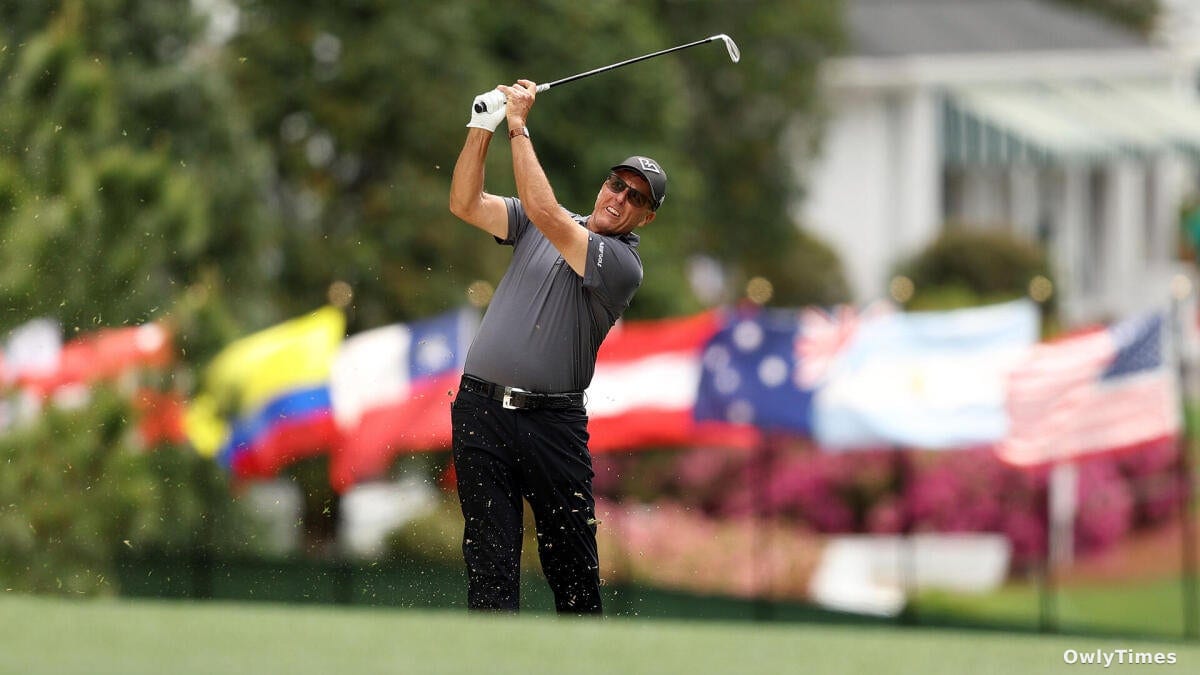
Mickelson’s statement, released Thursday, cites a “personal health matter” within his family as the reason for his absence, and a need to be “out for an extended period of time.” This is a crucial distinction. The statement doesn’t detail the nature of the health concern, and rightly so – privacy is paramount. What the statement does reveal is a prioritization of family over professional commitments, a decision that, while understandable, carries significant weight given Mickelson’s history with the tournament. His record at Augusta is exceptional: 32 appearances, three green jackets (1989, 1997, 2004), 16 top-10 finishes – second only to Jack Nicklaus and Ben Hogan. Even his recent performance, finishing as runner-up in 2023, demonstrated a continued competitive edge at age 55. His scoring average of 71.44 across 120 rounds is a testament to his consistent mastery of the course. The fact that he returned to play at LIV Golf South Africa, finishing T48, suggests a desire to maintain some level of competitive activity, but ultimately, family needs have taken precedence.
The timing of this announcement is particularly poignant given the simultaneous and separate health concerns surrounding Tiger Woods. Woods’ recent announcement of an indefinite hiatus to focus on his health, coupled with his recent legal issues – a DUI arrest and refusal to submit to a test – paints a picture of a champion grappling with challenges both on and off the course. While the details of Woods’ situation are distinct from Mickelson’s, the shared theme of prioritizing personal well-being over professional obligations is striking. It’s easy to fall into the trap of viewing elite athletes as superhuman, but these events serve as a powerful reminder of their vulnerability and the complex lives they lead. The fact that both players will miss Rory McIlroy’s Champions Dinner further underscores the void their absence will create.
What the Data Reveals About Longevity and Pressure
Looking beyond the individual circumstances, the situation raises broader questions about the physical and emotional toll of professional golf, particularly for players who have sustained long careers at the highest level. Mickelson and Woods represent a generation of golfers who redefined the sport, pushing the boundaries of athleticism and endurance. However, that dedication comes at a cost. The demands of maintaining peak performance, coupled with the intense pressure of competition and public scrutiny, can take a significant toll on both physical and mental health. Mickelson’s recent return to LIV Golf, while demonstrating a continued passion for the game, also highlights the challenges of maintaining form and consistency as age increases. His T48 finish in South Africa, while not a poor result in a 57-man field, is a noticeable step down from his previous performances.
Limitations to Consider
It’s important to avoid speculation about the specific nature of the health matters affecting Mickelson and Woods. Respecting their privacy is paramount. Furthermore, drawing broad conclusions about the state of professional golf based on these two cases would be premature. However, it’s reasonable to acknowledge that the increasing demands of the sport, coupled with the pressures of maintaining a public profile, may be contributing to a growing number of athletes prioritizing their well-being. The shift towards LIV Golf, with its reduced schedule and guaranteed contracts, could be seen as a response to these pressures, offering players more control over their time and financial security. But this is a complex issue with many contributing factors, and attributing it solely to the demands of the sport would be an oversimplification.
The Future of Augusta and Athlete Wellness
The 2026 Masters will undoubtedly feel different without Mickelson and Woods. It will be a test for the next generation of golfers to step up and fill the void, and for Augusta National to navigate a changing landscape. But perhaps the most important takeaway from these events is the need for a broader conversation about athlete wellness. What support systems are in place to help players cope with the physical and emotional demands of professional golf? How can the sport be structured to prioritize long-term health and sustainability over short-term gains? As we look ahead, the question isn’t just who will win the next green jacket, but how the sport can evolve to better support the athletes who make it so compelling. Will we see a greater emphasis on mental health resources, reduced playing schedules, or more flexible training regimens? The answers to these questions will shape the future of golf, and potentially serve as a model for other professional sports as well.