
The air in Dodger Stadium felt different this March, even before Shohei Ohtani launched his fourth home run of the World Baseball Classic. It wasn’t the usual spring training buzz, the hopeful murmur of a new season. It was something sharper, more urgent. As Bill Plaschke quietly observed in his column on March 21st, the WBC wasn’t just a series of games; it was a rebuke. A rebuke to the increasingly hollow spectacle that Major League Baseball’s All-Star Game has become, a performance of celebrity and branding that prioritizes red carpet arrivals over genuine competition. The contrast, it turns out, is what’s capturing the nation’s attention, and it’s forcing a reckoning with what fans actually want from the games they love.
The Weight of Expectation & the Pursuit of Authenticity
The sheer dominance of players like Ohtani in the WBC – a .462 batting average with three home runs in just four games – is statistically absurd. His projected 122-homer pace over a full season, as noted by Bill Waxman of Simi Valley, isn’t just impressive; it’s almost unsettling. Yet, even amidst such brilliance, Ohtani felt compelled to apologize for “falling short.” This isn’t a quirk of Japanese culture, as some might assume. It’s a symptom of a larger trend: the relentless pressure on athletes to not just perform, but to embody a certain humility, a constant self-effacement. We demand superhuman feats, then punish those who exhibit even a flicker of confidence. The WBC, ironically, offered a space where players seemed liberated from that expectation, playing with a visible joy and seriousness that’s often absent in the MLB’s regular season.
Drawn from the Los Angeles Times.
A Hollywood Narrative Unfolds on the Diamond
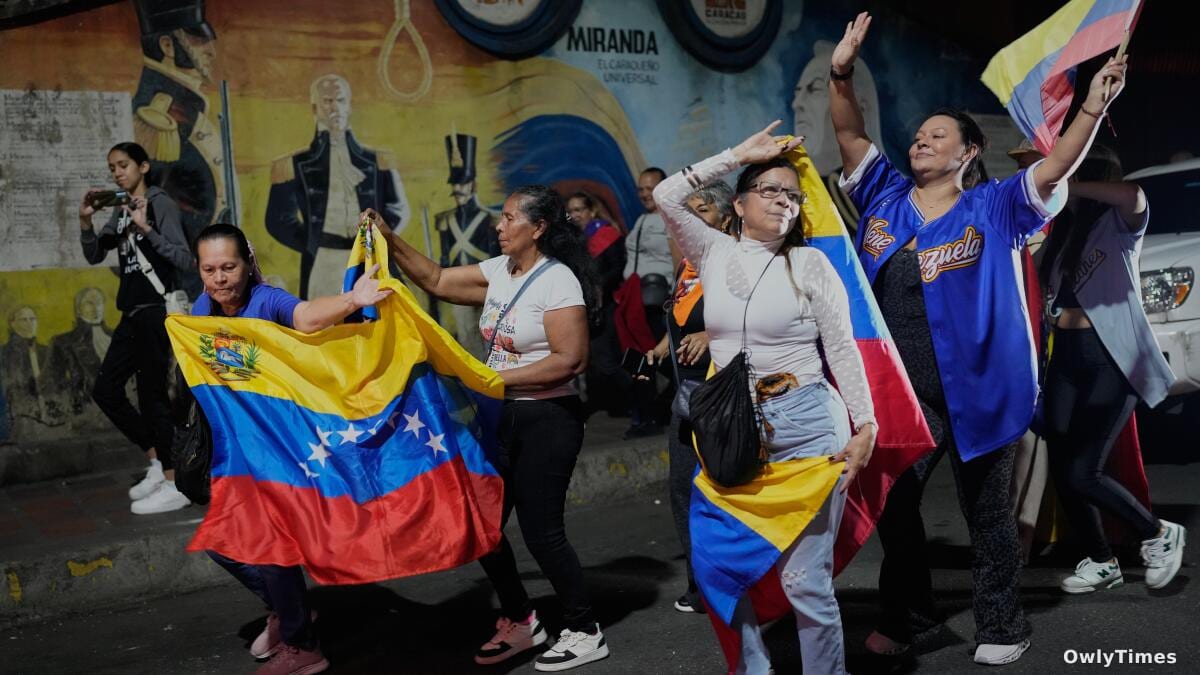
Beyond individual performances, the WBC delivered a narrative ripped straight from a screenwriter’s playbook. As Steve Ross of Carmel pointed out, the victory of a smaller nation – whose president was, incredibly, captured by a more powerful country during the tournament – over that very nation on its own soil, is the stuff of legends. The celebratory trip to Disneyland, a tradition for championship teams, felt less like a marketing ploy and more like a genuine expression of national pride. This wasn’t just a baseball game; it was a geopolitical statement, a David-and-Goliath story unfolding in real time. It tapped into a deep-seated desire for underdog victories, a yearning for narratives that challenge the established order. The cultural resonance is undeniable, and it’s a reminder of the power of sports to transcend the game itself.
The Heart of a Champion & the Spark of a New Fan
While the WBC offered a glimpse into the future of international baseball, the NBA season provided a poignant reminder of the enduring power of veteran leadership. Wayne Muramatsu of Cerritos eloquently captured the essence of LeBron James’s dive for a loose ball against Denver: a display of “heart” that defies the limitations of age. In a world obsessed with youth and athleticism, James’s unwavering commitment to the game, even as his physical skills inevitably decline, is a testament to the enduring value of passion and determination. Simultaneously, the emergence of Austin Reaves as a Lakers star, culminating in his miraculous intentional missed free throw and subsequent whispered affection for the basketball, represents the blossoming of a new generation. Richard Raffalow of Valley Glen beautifully highlighted the impact of six-year-old Jackson Tuyay, whose infectious enthusiasm ignited the Lakers crowd and, arguably, the team itself. The contrast – a legend nearing the end of his career and a rising star just beginning his journey – underscores the cyclical nature of sports and the enduring power of fan connection.
Beyond the Scoreboard: A Shifting Landscape
The letters to the editor published alongside these observations reveal a public hungry for authenticity and emotional connection. From Paul Stapleton’s enthusiastic “Yeaaaaah!” echoing Tuyay’s excitement to Vaughn Hardenberg’s acknowledgement of the Lakers’ defensive improvements, the conversation extends beyond statistics and strategy. The WBC and the Lakers’ recent successes aren’t just about wins and losses; they’re about the stories we tell ourselves about competition, resilience, and the power of collective joy. The question now is whether MLB will heed Plaschke’s call and revitalize its All-Star Game, or continue to prioritize spectacle over substance. Will leagues across the board recognize that fans aren’t just consumers of entertainment, but participants in a cultural narrative that demands genuine emotion and meaningful competition? The future of sports may depend on the answer.

