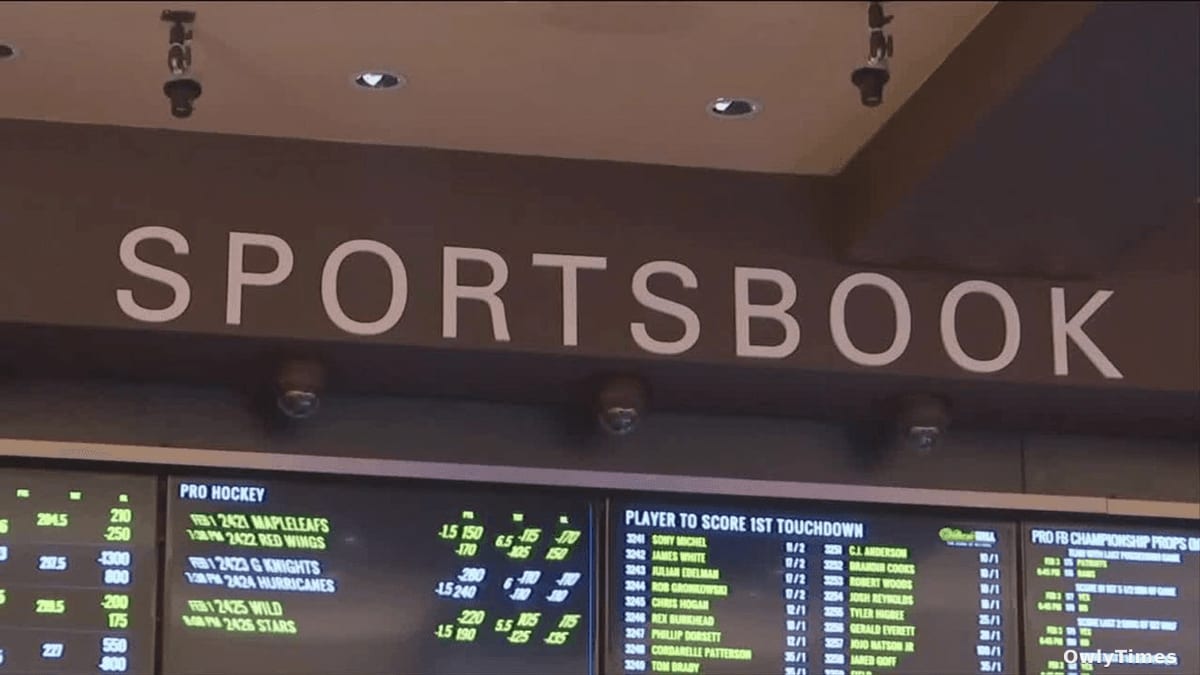

The marble halls of the Oklahoma State Capitol grew unusually quiet on Tuesday as the digital scoreboard flickered with the final, stark tally of a legislative dream deferred. For those watching the gallery, the vote of 21-27 on House Bill 1047 was more than a procedural roadblock; it was a firm "no" to a modernization effort that has consumed thousands of hours of negotiation. While the rest of the country has rushed headlong into the era of instant, mobile wagering, Oklahoma remains standing at the threshold, held back by a Senate that is not yet ready to embrace the shift.
The Push for a Regulated Frontier
The proposal, championed by Sen. Bill Coleman, represented a sophisticated attempt to bridge the gap between traditional tribal gaming and the high-tech reality of modern sports betting. By filing the new language as an amendment, Coleman sought to create a dual-track system that would allow tribal nations to offer in-person wagers while simultaneously launching a statewide mobile platform. The underlying logic was defensive as much as it was economic: officials argued that Oklahomans are already participating in the market, whether by crossing state lines or using unregulated, shadow platforms.
This effort was not a solo endeavor but a calculated alignment of interests. Rep. Ken Luttrell, a key voice in the push, emphasized the years of groundwork laid with tribal partners and major stakeholders like the Oklahoma City Thunder. The goal was to draw a line in the sand against the black market, ensuring that the revenue generated from wagers stays within state borders to bolster public services. It was a pitch built on the promise of consumer protection, framing legalization as a necessary evolution rather than a reckless expansion.
The Friction of Moral and Fiscal Caution
Despite the backing of major stakeholders and the promise of economic retention, the Senate floor proved to be a difficult terrain. The final 21-27 vote reveals a legislature deeply split on the societal trade-offs of gambling expansion. While proponents focused on the "legal, above-board system" that could effectively compete with illegal markets, opponents leaned into the visceral concern of fueling gambling addiction. This friction highlights a recurring theme in state-level sports betting debates: the tension between the desire for tax revenue and the inherent risks of making wagering as accessible as an app on a smartphone.
The failure of HB 1047 serves as a reminder that even when industries and legislators align, the cultural appetite for gambling remains a volatile variable. In the eyes of supporters, the state is missing out on a significant opportunity to capture funds that are currently leaking into neighboring jurisdictions. To the dissenters, the potential for social harm outweighs the fiscal upside, a sentiment that ultimately carried the day in the upper chamber.
A Stalled Momentum
The narrative of this bill is far from finished, as the effort represents the accumulation of years of careful deliberation and stakeholder input. The industry now faces the reality of a legislative stalemate, with the path forward currently obstructed by a clear majority of senators who prioritized caution over expansion. The immediate future of the movement rests on whether Coleman can sway enough votes to reconsider the measure during this legislative session. The next reading of the vote tally will indicate whether the momentum toward legalization has truly hit a wall or if this is merely a temporary pause in a much longer, state-wide debate over the future of betting in Oklahoma.

