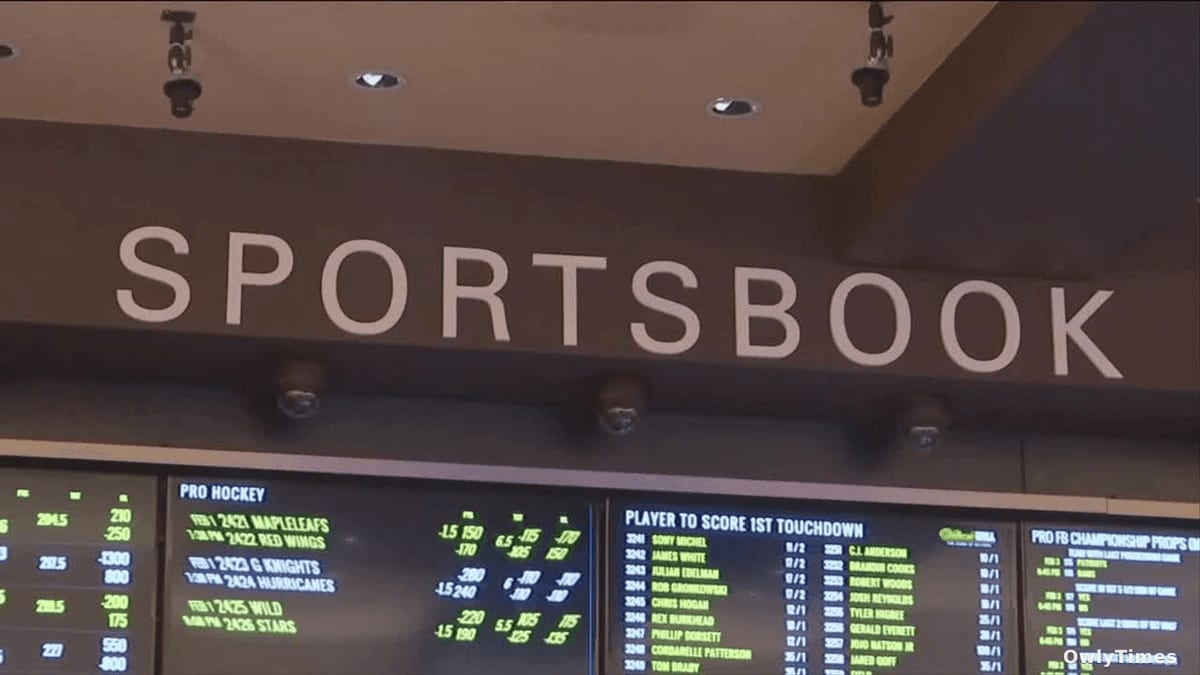

The atmosphere in the Oklahoma State Capitol on Wednesday, April 22, 2026, was thick with the weight of years of legislative anticipation, but as the final tally flashed across the board, that momentum hit a brick wall. A push to bring the state’s multi-million dollar sports wagering appetite into the light ended in a stinging defeat, as the Senate rejected the proposal by a vote of 21-27. For a state where residents have long been forced to cross borders or navigate murky, unregulated digital channels to place a wager, the outcome was more than a procedural setback; it was a profound friction between modern economic reality and deep-seated social caution.
The Legislative Gamble
The effort was spearheaded by Sen. Bill Coleman, who attempted to thread the needle of a notoriously complex political landscape by filing new bill language as an amendment to House Bill 1047. The proposal was designed to be a grand compromise, inviting tribal nations to offer in-person sports betting at their existing gaming facilities while simultaneously establishing a framework for statewide mobile betting. Coleman’s pitch was rooted in the idea of reclamation: keeping revenue that currently leaks into the black market or neighboring jurisdictions within Oklahoma’s borders to support critical public services.
A Strategic Coalition Stalls
This was not a rushed effort, but rather the culmination of what proponents described as thousands of hours of negotiation. Rep. Ken Luttrell emphasized the collaborative nature of the drafting process, which included high-level input from key stakeholders like the Oklahoma City Thunder. The inclusion of an NBA franchise underscored the industry’s desire to normalize sports betting as a component of the fan experience, rather than a fringe activity. By aligning with tribal partners and major sports organizations, the bill’s architects believed they had built a coalition capable of modernizing the state's gaming statutes.
The Moral and Economic Tug-of-War
Despite the backing of major economic players and the promise of a regulated, "above-board" system, the Senate remained unconvinced. The primary friction point was the social cost, with lawmakers explicitly citing fears regarding the expansion of gambling addiction. This tension represents a broader cultural divide seen across the country, where the promise of tax revenue and consumer protection constantly battles against concerns regarding the societal impact of increased gambling accessibility. While supporters framed the bill as a necessary step to protect consumers who are already placing bets, the 21-27 vote proved that the legislature is not yet ready to fully embrace the risks associated with the industry.
The Path Forward
The defeat of the bill leaves a vacuum in the state's regulatory landscape, particularly for the residents already participating in the unregulated market. Senator Coleman has already requested that his colleagues reconsider the vote at a later time, signaling that the conversation is far from over. The state now faces a period of legislative uncertainty as proponents evaluate their strategy and opponents hold firm to their concerns. The next vote on the floor will determine whether this framework for tribal-led, mobile-accessible betting remains a viable path forward or if the state will maintain its current, restrictive status quo for the foreseeable future.

