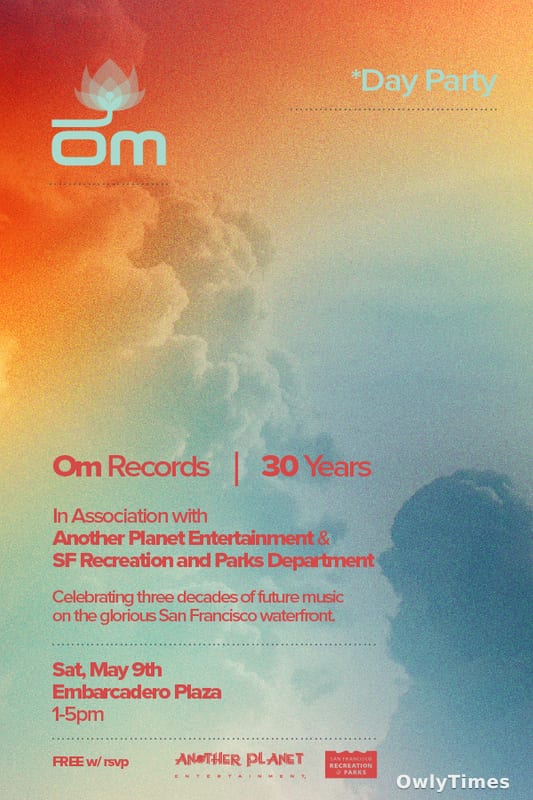

The bass drum throbbed, a phantom pulse echoing off the steel and glass of Embarcadero Plaza even though the stage was still empty. It wasn’t the sound system being tested, but the collective memory of San Francisco’s dance music scene, a scene about to celebrate a milestone. On May 9th, OM Records—a label that’s quietly soundtracked three decades of the city’s evolution—will throw a free concert, a gesture that feels less like a birthday party and more like a reclamation. Because in a city grappling with narratives of decline, a 30th anniversary in the electronic music world isn’t just about beats and rhythms; it’s a statement about resilience, community, and the enduring power of a cultural heartbeat.
A Legacy Built on Vinyl and Vibes
For those unfamiliar, OM Records isn’t a name plastered on stadium tours or dominating Billboard charts. It’s a label born in 1994, a time when San Francisco’s club scene was a crucible of innovation, blending house, techno, and a distinctly West Coast flavor. Founded by Josh Wink, the label quickly became a haven for artists pushing boundaries, releasing tracks that weren’t necessarily chasing mainstream success, but were building a devoted following. This wasn’t about fleeting trends; it was about cultivating a sound, a vibe, a community. Over the years, OM Records has released over 200 records, becoming a cornerstone of the electronic music landscape, and a vital part of the city’s identity. The label’s longevity is particularly striking when compared to the notoriously volatile nature of the dance music industry, where labels often rise and fall with the shifting tides of popularity.
This article draws on reporting from news.pollstar.com.
San Francisco’s Soundtrack to Reinvention
The concert, produced by Another Planet Entertainment in conjunction with the San Francisco & Parks Department, is strategically positioned as part of APE’s San Francisco Free Concerts series. This isn’t accidental. San Francisco is actively attempting to rebrand itself, to shake off the headlines about tech exodus and economic woes. Mayor Daniel Lurie’s statement – “From last year’s Summer of Music in Golden Gate Park to free concerts across downtown…San Francisco is a music city” – isn’t just civic boosterism. It’s a deliberate attempt to leverage the city’s cultural assets to attract residents and tourists alike. The city invested $3 million in similar free concerts last year, hoping to draw 200,000 attendees. While the economic impact of these events is still being assessed, the symbolic value is undeniable. OM Records, a label that’s weathered the city’s booms and busts, is now being positioned as a key part of that narrative of renewal.
Beyond the Headlines: The Cost of Culture
But beneath the celebratory surface lies a tension. San Francisco’s vibrant nightlife, the very ecosystem that nurtured OM Records, is under threat. Rising rents, restrictive regulations, and a perceived lack of support for the arts have forced many beloved venues to close their doors. The fact that OM Records is extending the celebration with a ticketed event at The Great Northern—a relatively new venue—speaks to this reality. The free concert at Embarcadero Plaza is a public-facing gesture, a gift to the city, but the nighttime event acknowledges the economic realities of sustaining a cultural institution. The label is releasing a 30th anniversary album on May 8th, a move that also signals a need to diversify revenue streams in a changing landscape. It’s a reminder that “free” often comes at a cost, and that supporting the arts requires more than just showing up for a concert.
What’s Next for the Beat?
The lineup for both the free concert and the Great Northern event remains under wraps, adding to the anticipation. But the bigger question isn’t who will be performing, but what this moment signifies for the future of San Francisco’s music scene. Will the city continue to invest in its cultural infrastructure, recognizing its value beyond economic metrics? Will it create a more supportive environment for artists and venues, ensuring that the beat goes on for another 30 years? The success of OM Records’ anniversary celebration—and the broader revitalization efforts of San Francisco—hinges on whether the city can truly embrace its identity as a haven for creativity, or if it will allow its cultural heart to fade into silence. Watch closely to see if the energy generated on May 9th translates into concrete policy changes and sustained investment in the arts. Because a city without a soundtrack is a city losing its soul.