
The recent measles exposure at a Gresham, Oregon WinCo Foods isn’t simply a localized public health concern; it’s a stark reminder that the protective shield of community immunity, built over decades, is showing concerning wear. While headlines focus on the immediate risk to shoppers who visited the store on March 7th, the incident underscores a broader, and often overlooked, vulnerability in our ongoing battle against preventable infectious diseases. The fact that exposure occurred in a routine setting like a grocery store – not within a known outbreak cluster – suggests a level of silent transmission that demands a more nuanced understanding than simply issuing exposure notices.
Beyond the Exposure Window: Understanding Measles Transmission
The Oregon Health Authority (OHA) and Multnomah County public health officials are rightly urging anyone who was at the WinCo Foods location at 2511 SE 1st St. between 2 p.m. and 5 p.m. on March 7th to contact their healthcare provider. This is because measles is exceptionally contagious – more so than influenza or even COVID-19. The virus spreads through respiratory droplets produced by coughing or sneezing, and can remain suspended in the air for up to two hours in a closed space. What’s particularly insidious about measles, however, is the pre-symptomatic transmission period. Individuals can be contagious for up to four days before the characteristic rash appears, meaning they can unknowingly spread the virus while feeling relatively well. This makes containment significantly more challenging, as traditional contact tracing relies on identifying and isolating symptomatic cases. The current six cases reported in Oregon this year, while seemingly small, represent a notable uptick and warrant careful monitoring. To put this in perspective, 2023 saw only one confirmed case statewide.
This article draws on reporting from opb.org.
The Role of Vaccination Rates and Evolving Immunity
The effectiveness of the measles, mumps, and rubella (MMR) vaccine is well-established – two doses are approximately 97% effective at preventing infection. However, this isn’t a blanket guarantee of population-level protection. The current situation highlights the critical importance of maintaining high vaccination coverage rates to achieve “herd immunity,” where a sufficient proportion of the population is immune to prevent widespread transmission. Nationally, MMR vaccination rates among kindergarteners remain around 93%, according to the Centers for Disease Control and Prevention (CDC). While this appears high, it leaves a vulnerable segment of the population unprotected, and localized pockets of lower vaccination rates can quickly become outbreak hotspots. Furthermore, immunity isn’t necessarily lifelong. While the MMR vaccine provides durable protection for most, waning immunity has been observed in some individuals, particularly those vaccinated earlier in life. This is an area of ongoing research, but it suggests that booster doses may be necessary to maintain optimal protection, especially for those at higher risk of exposure.
Why a Grocery Store? The Implications of Everyday Exposure
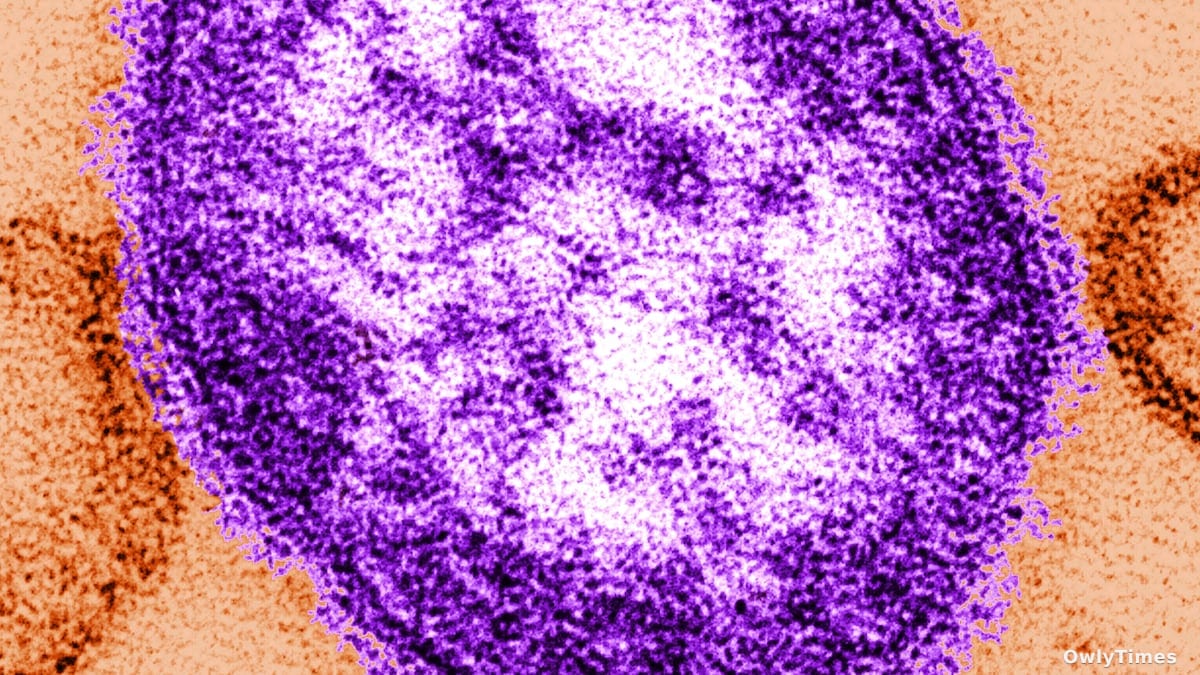
The Gresham WinCo exposure is particularly concerning because it occurred in a common, everyday setting. Previous measles cases in Oregon have often been linked to international travel or specific communities with lower vaccination rates. A grocery store, however, draws from a much broader demographic, increasing the potential for wider transmission. This suggests that the virus may be circulating more broadly within the community than previously recognized. The fact that the exposure occurred during peak shopping hours (2-5 p.m.) further amplifies the risk, as it represents a period of high foot traffic and close proximity between individuals. This incident serves as a reminder that measles isn’t just a disease of the past, and that vigilance is required even in seemingly low-risk environments. Cynthia Goldsmith’s electron microscope image of the measles virus, released by the CDC in 2015, serves as a potent visual reminder of the microscopic threat that can quickly escalate into a public health crisis.
Limitations to Consider and Future Research
It’s important to acknowledge the limitations of our current understanding. The OHA’s investigation is ongoing, and the source of this particular exposure remains unknown. Without identifying the index case – the first person to introduce the virus into the community – it’s difficult to assess the extent of potential spread and implement targeted interventions. Furthermore, the current surveillance system relies heavily on reported cases, and it’s possible that some mild or atypical cases are going undetected. Looking ahead, research efforts should focus on better understanding the durability of vaccine-induced immunity and identifying factors that contribute to waning protection. Investigating the effectiveness of different vaccination schedules and exploring the potential need for booster doses are crucial steps. Additionally, enhanced surveillance systems that incorporate genomic sequencing can help track the virus’s evolution and identify potential outbreaks early on. The question now isn’t simply if we’ll see more measles cases, but where and how quickly they will emerge, and whether our current public health infrastructure is adequately prepared to respond.