
The Shifting Landscape of Measles Protection
The recent potential measles exposure at a Burlingame Panda Express isn’t simply a local health alert; it’s a signal of a broader, and increasingly concerning, trend. While headlines focus on individual exposure risks – specifically, anyone who visited the restaurant at 1453 Burlingame Avenue between 11:30 a.m. and 1:30 p.m. on February 23rd and 24th – the underlying story is about a subtle erosion of community immunity and the challenges of maintaining a disease elimination status. San Mateo County Health’s announcement on February 27th, detailing the case of a vaccinated resident recently returned from international travel, highlights a critical nuance: vaccination isn’t foolproof, and the effectiveness of a population-level shield depends on consistently high coverage.
The Centers for Disease Control and Prevention (CDC) has already reported 1,136 measles cases in the United States for 2026, a significant drop from the 2,281 cases recorded across all of 2025. However, framing this as simple progress obscures a more troubling reality. The period between 2000 and 2019, when measles was officially declared eliminated in the US, saw a total of 3,783 cases. This means that in less than six years – 2020 to 2026 – we are rapidly approaching that two-decade total, despite mandatory vaccination policies for school and daycare attendance. The decline in national vaccination rates among school-age children, from 95% in 2019 to 92% in 2023, as reported by Harvard Medical School, is the primary driver of this resurgence. A seemingly small 3% drop translates to a substantial increase in vulnerability within communities.
Based on the original ktvu.com report.
It’s crucial to understand what the San Mateo County Health announcement doesn’t say. The infected individual was vaccinated, and is currently isolating at home. This isn’t a failure of the vaccine itself, but a demonstration of its limitations. No vaccine offers 100% protection, and vaccine effectiveness can wane over time. Furthermore, the fact that this case originated with someone who traveled internationally underscores the ongoing risk of importation – measles remains endemic in many parts of the world. The current situation isn’t about a breakdown in vaccine efficacy, but a weakening of the protective barrier for those who cannot be vaccinated, such as infants too young to receive the shot, pregnant women, and individuals with compromised immune systems. Only 4% of recent measles cases nationally have involved fully vaccinated individuals, reinforcing the vaccine’s overall protective power, but also highlighting the danger posed by even a small number of susceptible individuals.
Recognizing the Spectrum of Risk and Response
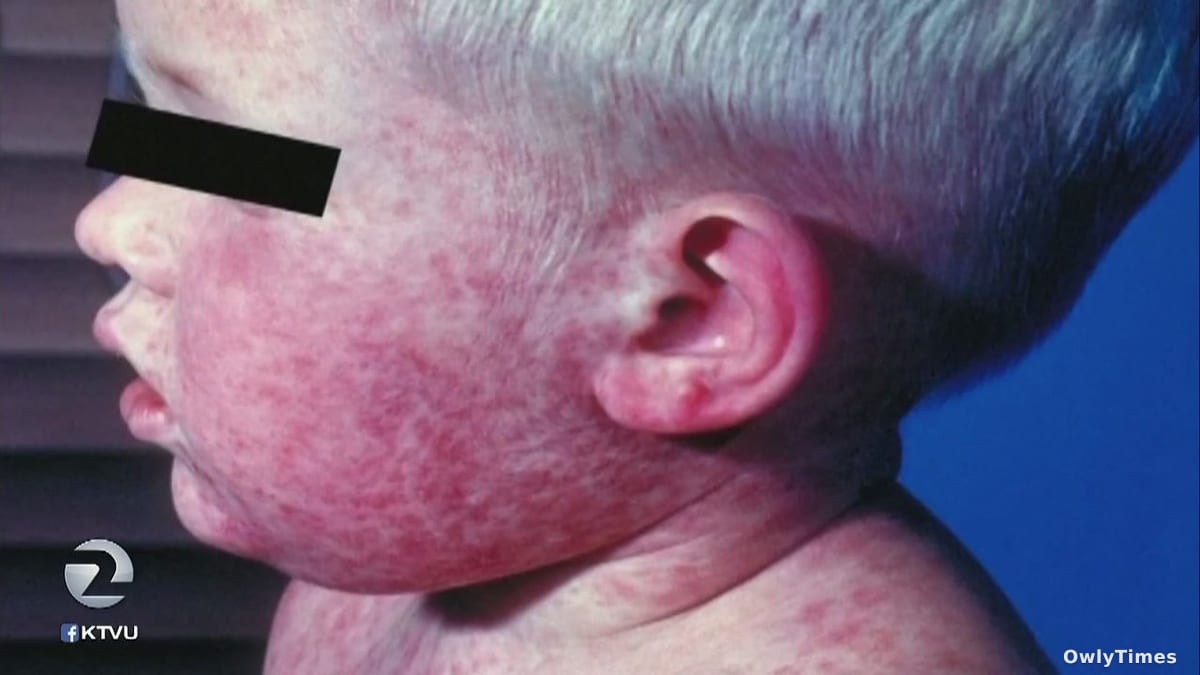
The immediate concern for those who were at the Burlingame Panda Express during the specified times is monitoring for symptoms – fever, cough, runny nose, red eyes, and a characteristic rash. It’s important to remember the incubation period for measles is between seven and 14 days, meaning symptoms won’t appear immediately. San Mateo County Health rightly advises anyone developing these symptoms to stay home and contact their healthcare provider before seeking care, allowing for appropriate precautions to prevent further spread. This proactive step is vital, as early diagnosis can be challenging; the initial symptoms closely mimic those of common colds and influenza.
However, the potential consequences of contracting measles extend far beyond a temporary illness. While the virus is fatal in up to three of every 1,000 cases, even non-fatal infections can lead to serious complications. These include brain inflammation (potentially causing seizures, hearing loss, or intellectual disability), pneumonia, eye inflammation, adverse pregnancy outcomes, and, in rare instances, the devastating subacute sclerosing panencephalitis (SSPE), a fatal brain disease that can develop years after the initial infection. These complications are most severe in children under five, adults over 20, pregnant women, and those with weakened immune systems, further emphasizing the importance of protecting the most vulnerable.
Limitations to Consider
While the data clearly indicates a concerning trend, it’s important to acknowledge the limitations of current surveillance. Case numbers are dependent on reporting, and it’s likely that some cases go undetected, particularly mild ones or those in individuals who don’t seek medical attention. Furthermore, the CDC data represents a snapshot in time; the situation is dynamic and can change rapidly. The recent decline in cases from 2025 to 2026 is encouraging, but it doesn’t guarantee continued improvement. It’s also crucial to avoid attributing the rise in cases solely to declining vaccination rates. Factors such as increased international travel and the potential for localized outbreaks in communities with lower vaccination coverage also play a role.
The Path Forward: Beyond Vaccination Rates
The next critical research steps involve a more granular analysis of vaccination coverage data. Simply knowing the national rate of 92% isn’t sufficient; we need to understand where those gaps exist – which communities, which demographics, and what are the barriers to vaccination in those areas? Targeted interventions, addressing vaccine hesitancy and improving access to vaccination services, are essential. Simultaneously, continued surveillance and rapid response to outbreaks are crucial to contain the spread of the virus.
Looking ahead, consider this scenario: a school in your district reports a confirmed case of measles. Will the current level of community immunity be sufficient to prevent a wider outbreak? Will public health officials have the resources and authority to implement effective control measures, such as temporary school closures or targeted vaccination campaigns? The answer to these questions will depend not only on the numbers, but on a collective commitment to protecting public health and maintaining the gains made in eliminating this preventable disease.