
Oura’s $1.5 Billion Bet on ‘Ambient AI’ Signals a Shift in Wearable Tech
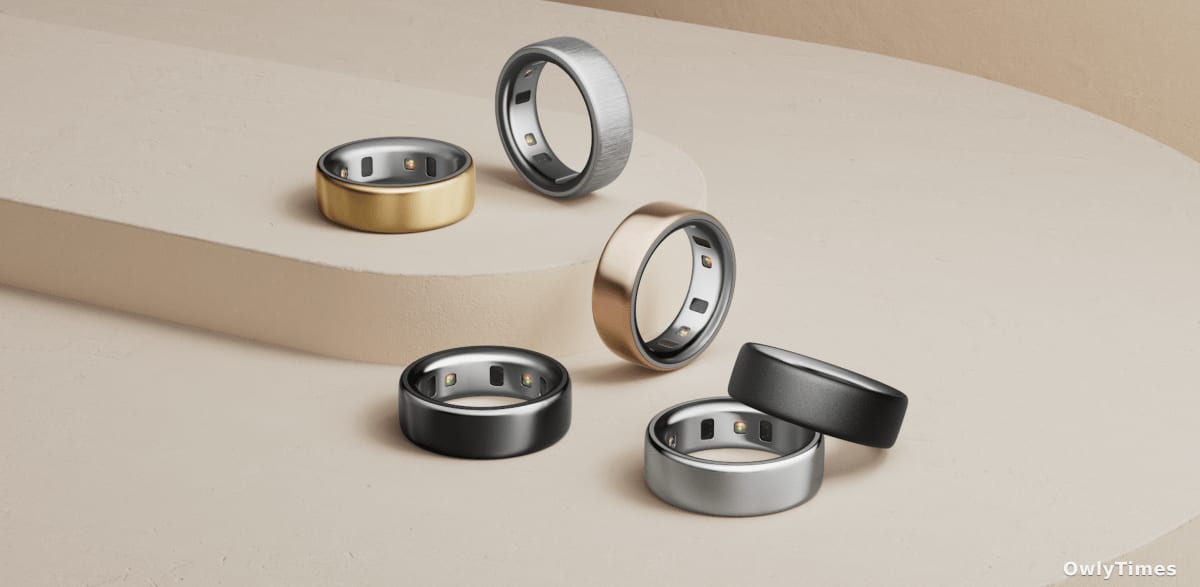
A 51% year-over-year jump in smart ring shipments isn’t just a market trend—it’s a land grab for the next generation of human-computer interaction. Oura, currently dominating that space with a valuation of approximately $11 billion, is doubling down with the acquisition of Doublepoint, a Finnish startup specializing in gesture-based AI control. While the financial terms remain undisclosed, the move reveals a clear strategy: Oura isn’t content simply tracking biometrics; it’s building a platform for proactive, intuitive wearable AI, and “follow the money” shows they believe gesture control is a key component.
The acquisition of Doublepoint isn’t about adding another data point to Oura’s already impressive suite of health metrics. It’s about fundamentally changing how users interact with their devices. Oura has already moved 5.5 million rings, a substantial increase from the 2.5 million reported just six months prior in June 2024, demonstrating strong consumer appetite. But continued growth requires moving beyond passive data collection. Doublepoint’s technology, which interprets subtle hand movements using AI and biometric data, promises a more seamless, “ambient” experience – one where control feels natural and requires minimal conscious effort. This is a direct response to the limitations of current wearable interfaces, which often rely on small screens and cumbersome button presses.
This isn’t an isolated purchase. Oura’s acquisition of Doublepoint is the fourth in a series of strategic moves, following Sparta Science (performance tracking), Veri (metabolic health), and Proxy (digital ID). Each acquisition expands Oura’s capabilities beyond basic health tracking, building a more comprehensive and integrated ecosystem. The pattern suggests Oura is actively constructing a “walled garden” of health and wellness technology, aiming to become the central hub for personalized biometric data and AI-driven insights. This contrasts with competitors like Fitbit (owned by Google) which often integrate with broader, less-controlled platforms.
Based on the original TechCrunch report.
The timing is crucial. IDC reports the smart ring market is poised for continued explosive growth, with nearly 51% shipment increases in 2025. Oura currently leads this category, but maintaining that position requires innovation. CEO Tom Hale explicitly stated that acquisitions are “key in accelerating our growth and expanding what our devices and platform can do.” The integration of Doublepoint’s team – including all four founders – signals Oura’s commitment to building a dedicated AI division within its existing structure, and reinforces their investment in the Finnish tech ecosystem. This is a calculated bet on talent acquisition as much as technology integration.
Aisha Malik of TechCrunch, who previously covered the telecom sector at MobileSyrup, will be closely watching how Oura integrates this technology. Her reporting highlights the increasing importance of intuitive interfaces in the wearable space, and the challenges of balancing data privacy with AI-driven personalization. The question for consumers and investors alike is whether Oura can successfully translate this technology into tangible benefits – features that genuinely enhance daily life without feeling intrusive or gimmicky. Will the forecasted sales exceeding $1.5 billion in 2026 be realized, or will the market demand more than just sophisticated data collection? Watch for the first consumer-facing applications of this gesture control technology in late 2026 – that’s when we’ll know if Oura’s bet on “ambient AI” pays off, and whether the smart ring can evolve from a health tracker to a truly indispensable extension of ourselves.