
The escalating tension between national security interests and environmental conservation isn’t a new story, but the specific battle unfolding around the coral reefs of Guam reveals a disturbing trend: a systematic weakening of environmental safeguards in the name of strategic advantage. While headlines focus on the Navy’s expansion plans and NOAA’s shifting regulations, the core issue is a fundamental re-evaluation of how – and whether – the U.S. government prioritizes ecological health alongside military readiness. The recent developments aren’t simply about a single decision regarding a live-fire range; they represent a broader shift in policy that could have devastating consequences for Pacific coral ecosystems, potentially mirroring the near-total collapse witnessed in Florida.
Guam, a small island strategically positioned in the Pacific, embodies this conflict. Smaller than New York City, it hosts a significant U.S. military presence – nearly 23,000 personnel – alongside a remarkably diverse and resilient coral reef system. This reef, however, is increasingly threatened by dredging projects, increased military infrastructure, and live-fire testing, all justified under the umbrella of national security. A team of international researchers, led by Colin Anthony, a doctoral fellow at the University of Tokyo, recently published a letter in Science alleging that the U.S. government is actively accelerating coral reef collapse around Guam through these actions. It’s a strong claim, and one that requires careful examination of the policy changes driving it.
This piece references the motherjones.com report.
The immediate catalyst for concern is a series of regulatory adjustments initiated following President Trump’s Executive Order 14154 in January 2025, dubbed “Unleashing American Energy.” This order directed federal agencies to remove “undue burdens” on energy production and security, a directive that subsequently translated into proposed changes at NOAA. Specifically, NOAA proposed expanding its authority to bypass critical habitat regulations, removing the requirement that decisions be made “without reference to possible economic or other impacts.” This isn’t merely streamlining bureaucracy; it fundamentally alters the decision-making process, prioritizing short-term economic and security interests over scientific evidence. The agency also proposed redefining the “environmental baseline,” allowing the Navy to treat already-degraded reefs as the starting point for future projects, effectively shielding new activities from scrutiny under the Endangered Species Act (ESA).
This shift in policy is particularly alarming given the existing vulnerabilities of Pacific coral reefs. In 2023, Florida experienced a catastrophic marine heatwave that resulted in a 98% mortality rate for elkhorn and staghorn corals, effectively declaring them “functionally extinct” in the state’s waters. While Guam hasn’t experienced a similar event recently, repeated heatwaves between 2013 and 2017 caused a 34-37% loss of live coral, and future warming events pose a significant threat. The situation is further complicated by a “conservation gap” within the ESA itself. Unlike terrestrial animals, accurately classifying coral species is incredibly difficult due to their “phenotypic plasticity” – their ability to change appearance based on environmental conditions. This makes it challenging to determine endangered status, as scientists struggle to define clear, genetically-verified species boundaries. Laurie Raymundo, a biology professor and director of the University of Guam Marine Laboratory, explains that many corals in the Indo-Pacific haven’t been taxonomically verified through DNA barcoding, a costly and time-consuming process, meaning species could disappear before they are even documented.
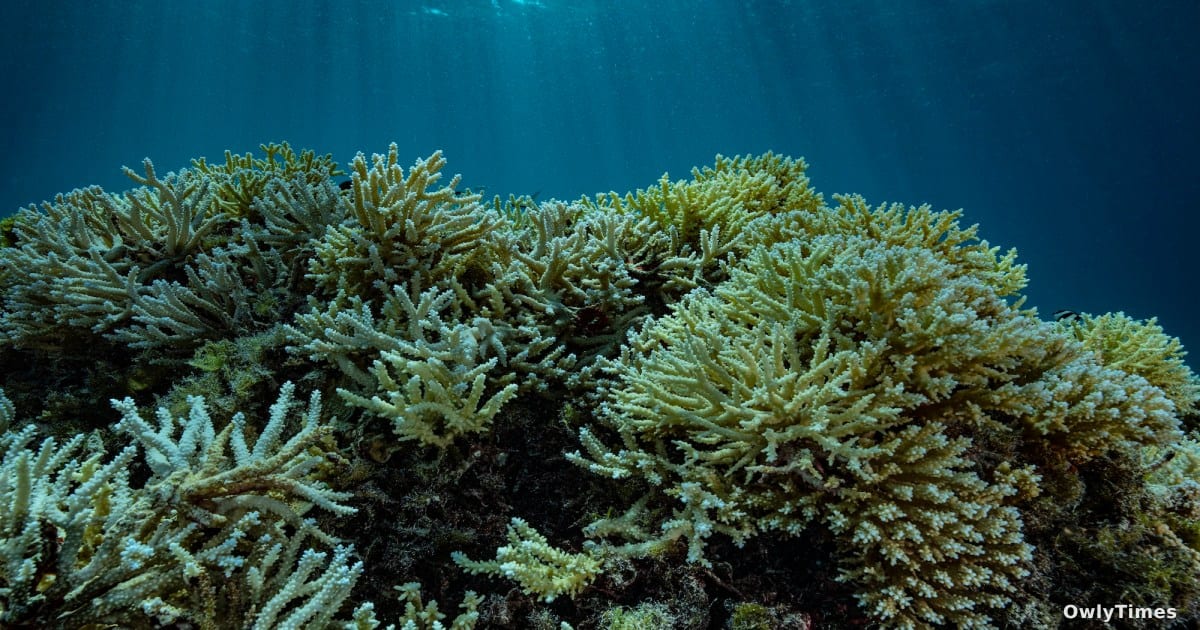
The researchers are specifically calling for NOAA to extend ESA protections to the entire Acropora genus, regardless of individual species classifications. This would circumvent the taxonomic challenges and provide a broader level of protection for these foundational reef-building corals. The ESA already allows for the protection of specific populations or subspecies – examples include the Cook Inlet beluga whale and the southern resident killer whale – and the researchers argue the same logic should apply to Acropora corals in Guam. This isn’t simply a technical adjustment; it’s a recognition that proactive, preventative measures are crucial in the face of accelerating environmental change. The argument isn’t about halting military activity entirely, but about ensuring that it’s conducted responsibly and with a full understanding of the ecological consequences. Colin Anthony succinctly puts it: “The problem is, if you’re the US military, anything you do can be cited as being for national security…Even if the appropriate process would just be an extra round of ecological surveys to make sure everything is done with the best intention to avoid unnecessary harm.”
Beyond the scientific and regulatory concerns, the situation on Guam highlights a broader issue of environmental justice. The indigenous Chamorro people, with a history on the island stretching back over 3,000 years, have already experienced the negative impacts of military activity, including contamination from PCBs, PFAS, and dieldrin. As Laurie Raymundo points out, small island nations contribute minimally to climate change yet bear the brunt of its consequences. The current trajectory risks exacerbating these existing inequalities, prioritizing economic gain for a few over the long-term health and well-being of the community. The recent NOAA survey to map over 30,000 square miles of waters off American Samoa for critical mineral reserves, described by The New York Times as a shift “from science to prospecting,” further underscores this pattern.
The situation in Guam isn’t a foregone conclusion. The Pacific still has corals, and they are potentially recoverable, but only if appropriate policies are implemented. The critical question now is whether the U.S. government will reverse its proposed ESA changes and prioritize the long-term health of these vital ecosystems, or continue down a path that risks repeating the ecological disaster unfolding in Florida. Watch for the outcome of NOAA’s ESA revisions in the coming months, and more importantly, observe whether the agency demonstrates a willingness to genuinely incorporate scientific findings into its decision-making process. The fate of Guam’s reefs – and potentially many others in the Pacific – hangs in the balance.