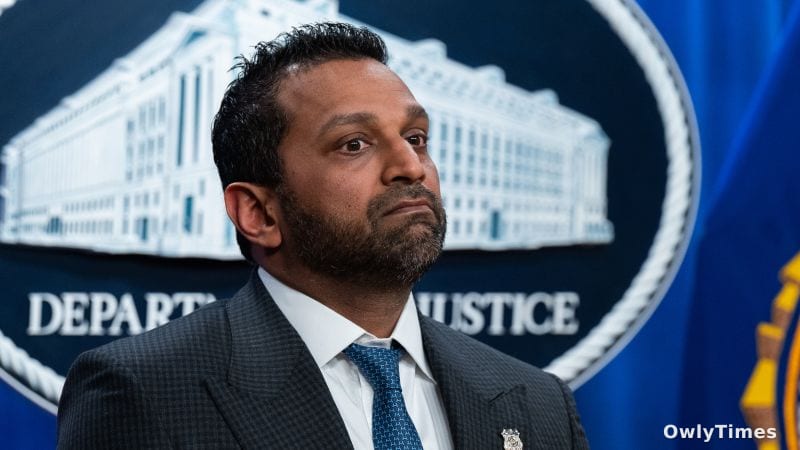

The Reciprocal Purge: Patel’s FBI Shakeup and the Weaponization of Oversight
The immediate trigger for Kash Patel’s removal of at least ten FBI employees isn’t simply about alleged overreach in the investigation of Donald Trump’s handling of classified documents. It’s a calculated response to a prior action – the surreptitious subpoenaing of Patel’s and Susie Wiles’ phone records during the investigation led by Special Counsel Jack Smith. This isn’t a case of accountability; it’s a demonstration of power, a signal that the rules of engagement have changed, and that past actions will invite reciprocal consequences. The strategic calculus is clear: dismantle the infrastructure of investigations perceived as politically motivated, and deter future actions deemed hostile by the current administration.
Reporting from CNN informs this analysis.
The discovery of the subpoenas – detailing communications from 2022-2023 – is the key to understanding the intensity of Patel’s reaction. While obtaining call logs is standard procedure in complex investigations, the manner in which it was done, allegedly concealed within “prohibited case files” to evade oversight, is the core grievance. Patel’s public statement, calling the actions “outrageous and deeply alarming,” isn’t merely rhetorical. It’s a framing device, positioning him as the defender against a rogue intelligence apparatus. Who benefits and who loses here is starkly defined: Patel and his allies gain a narrative of victimhood and justification for internal cleansing, while the FBI’s institutional credibility and the agents involved lose ground. The timing, following Trump’s reelection and the subsequent dropping of charges by Smith, adds another layer of complexity, suggesting a long-simmering resentment now being actively addressed.
This isn’t an isolated incident. Patel’s ongoing purge extends to agents involved in investigations related to the January 6th attack and the Mar-a-Lago documents case, indicating a systematic effort to reshape the FBI’s investigative priorities. The FBI Agents Association’s condemnation – labeling the terminations “unlawful” and a violation of due process – underscores the severity of the situation. Their warning that these actions “weaken the Bureau” and “jeopardize the nation” isn’t hyperbole. A demoralized and depleted workforce, fearing political reprisal, is less effective at fulfilling its core mission. The association’s concern about recruitment is particularly acute; a reputation for political interference will inevitably deter qualified candidates. This echoes historical precedents, notably the post-Watergate era when the FBI faced intense scrutiny and efforts at reform following revelations of political abuse.
The parallel to the complaints from Republican lawmakers regarding Smith’s subpoenas of phone records related to the January 6th investigation is also significant. While those complaints often conflate subpoenaing call logs with “tapping” phones – a demonstrably false claim, as investigators only obtained records of calls made and received, not the content – they reveal a shared concern: the use of investigative tools against political opponents. This creates a dangerous feedback loop, where each side justifies its own actions as a response to perceived overreach by the other. The Justice Department’s historical precedent of not prosecuting a sitting president, invoked by Smith when dropping the initial charges against Trump, further complicates the narrative. It establishes a double standard, where the application of legal scrutiny appears contingent on political power.
The current situation isn’t simply about investigating past wrongdoing; it’s about controlling the narrative and shaping the future of the FBI. Patel’s actions are a clear signal to the Bureau’s workforce: loyalty to the current administration is paramount. The long-term consequences are potentially profound, eroding public trust in the FBI and politicizing law enforcement. The question now isn’t whether Patel will continue to reshape the FBI in his image, but rather which specific investigative units will be targeted next. Will he focus on dismantling counterintelligence operations, or will he broaden the purge to include agents involved in investigations of financial crimes or civil rights violations? The answer to that question will reveal the true scope of this reciprocal purge and the extent to which the FBI’s independence has been compromised.





