
Is the future of real estate less about where you live and more about how you spend your leisure time? A new $11.3 million entertainment district planned for Bee Cave, Texas, just outside Austin, suggests the answer is leaning towards the latter. While developers tout “luxury eateries with a sensory experience,” the real story here isn't upscale dining – it’s pickleball. Specifically, the relentless, almost baffling, rise of pickleball and its power to reshape commercial development.
Beyond the Dink: Why Pickleball is a Real Estate Force
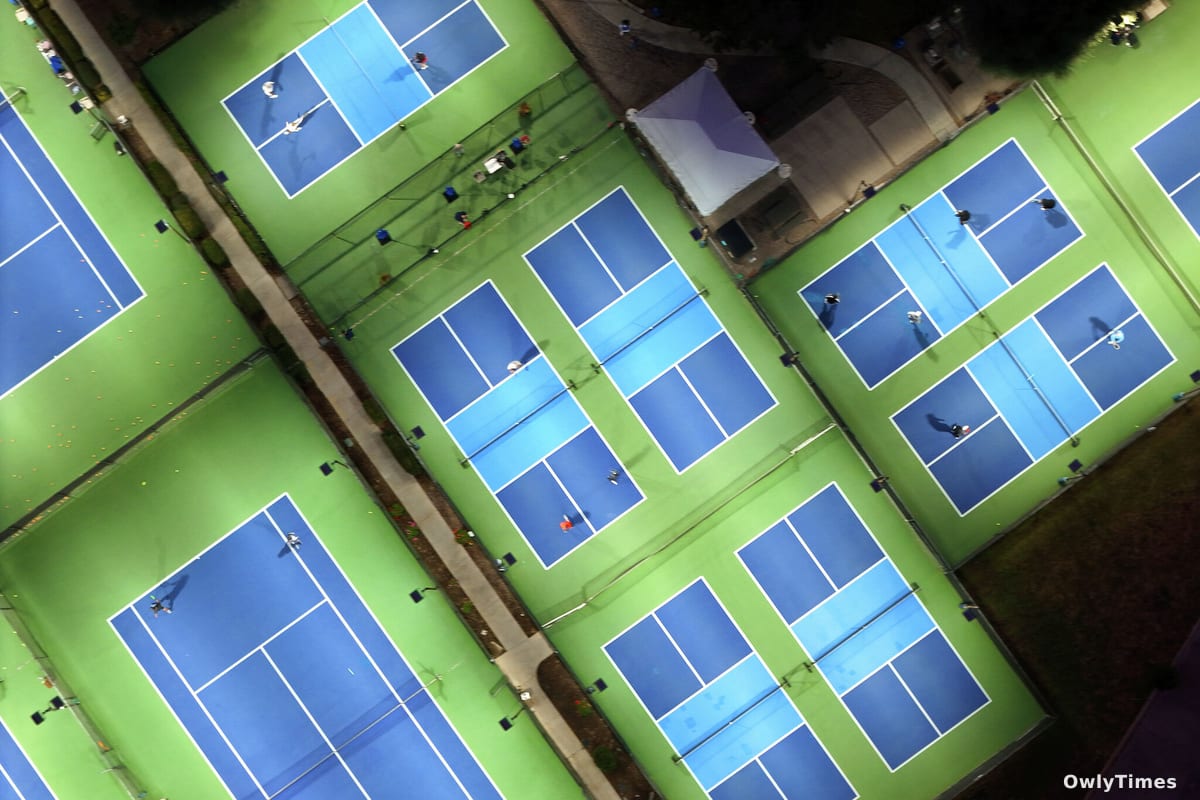
The planned complex, slated for 5001 Palermo Dr. and a July 2027 completion, isn’t simply adding a few courts to an existing gym. We’re talking about over 4,000 square feet dedicated to pickleball and badminton, potentially housing up to four standard-sized (880 square feet each) pickleball courts. This isn’t an afterthought; it’s a core component of a 35,000-square-foot development also including retail, medical offices, and a “sports lounge.” Consider that in 2022, the Professional Pickleball Association (PPA) had roughly 150 professional players. By late 2023, that number had tripled to over 450, and participation at all levels is skyrocketing. This isn’t a niche hobby anymore; it’s a demographic shift demanding physical space.
The Austin Exception, and What It Reveals
Austin, and increasingly its surrounding areas like Bee Cave, are becoming ground zero for this trend. The region’s demographic profile – a young, active population with disposable income – is a perfect breeding ground for pickleball mania. But the significance extends beyond Texas. This development signals a broader recalibration of what constitutes “desirable” commercial space. For years, the focus has been on office buildings and residential units. Now, developers are actively courting leisure activities, recognizing that experiences are increasingly valuable, especially to younger generations. The fact that this complex is blending sports with retail and medical offices is particularly telling – it’s an attempt to create a “sticky” environment, keeping people on-site for longer and generating revenue from multiple sources.
Source material: statesman.com.
The Sensory Experience: Marketing to a New Demographic
The developer’s emphasis on “luxury eateries with a sensory experience” isn’t accidental. It’s a direct appeal to a demographic that prioritizes curated experiences. This isn’t about grabbing a quick burger; it’s about Instagrammable moments and shareable content. The sports lounge, too, serves this purpose. It’s not just a place to rehydrate; it’s a social hub, a place to see and be seen, and a potential revenue stream beyond court fees. Kevin Carter’s image of players mid-dink perfectly encapsulates this vibe – it’s active, social, and visually appealing. The lack of publicly available renderings at this stage is frustrating, but it also suggests the developer is carefully crafting the aesthetic to maximize this appeal.
Beyond the Hype: What’s Actually Being Built?
Let’s be clear: this isn’t about a sudden surge in athletic prowess. It’s about accessibility. Pickleball is easier to learn than tennis, less physically demanding, and can be played by people of all ages and skill levels. This inclusivity is a major driver of its popularity. But the $11.3 million price tag raises questions. Is this a sustainable investment, or are developers simply chasing a fleeting trend? The inclusion of medical offices suggests a hedge – a diversification of revenue streams in case the pickleball bubble bursts. The fact that the developer has not yet responded to requests for comment is also a red flag, hinting at a reluctance to discuss the financial projections or potential risks.
Here’s what to watch for: by late 2026, as construction nears completion, we’ll see a wave of similar developments announced in other cities. The key question won’t be if pickleball facilities become commonplace, but who will successfully integrate them into a broader, financially viable ecosystem. Will these complexes become thriving community hubs, or expensive monuments to a passing fad? The answer will depend on whether developers can move beyond the dink and build something genuinely sustainable.