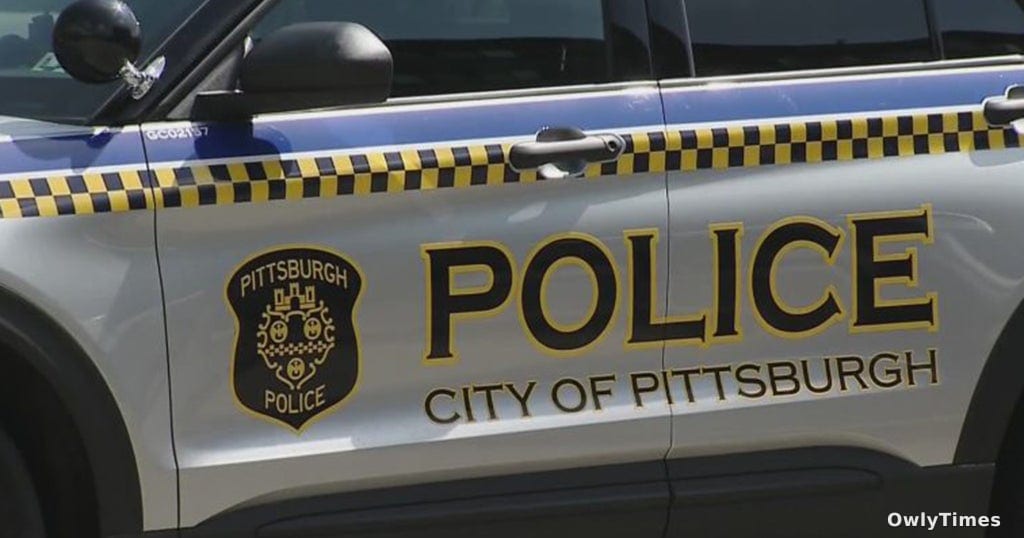

Twenty individuals requiring medical attention for pepper spray exposure – that’s the quantifiable fallout from a single incident in Pittsburgh’s Market Square this past Sunday, a figure that underscores a growing anxiety among businesses as the city prepares to host the NFL Draft. The brawl, involving seven minors cited for disorderly conduct, isn’t an isolated event, but a symptom of escalating disruptions tied to increased youth gatherings, particularly as warmer weather and major events draw larger crowds Downtown. Following the money, the immediate cost is borne by the Pittsburgh Bureau of Public Safety responding to the incident, and potentially by businesses covering medical expenses for affected patrons. However, the larger financial risk lies in the potential for diminished foot traffic and revenue if Market Square is perceived as unsafe.
The Rising Cost of Unmanaged Gatherings
The concerns articulated by businesses like Cherries Diner and Revel Pittsburgh aren’t simply about a single weekend. Ihtishaam Hussain of Cherries Diner, who closed his establishment on Sunday due to the escalating situation, specifically linked the increased disturbances to the approaching NFL Draft. This timing is critical; the draft, projected to bring an estimated $162 million in economic impact to the city according to a 2023 study by the Pittsburgh Regional Alliance, relies heavily on a positive visitor experience. Mayela Garcia, general manager of Revel Pittsburgh, revealed her team is actively evaluating the cost of hiring private security – a direct expense impacting profitability – to mitigate risk. This reactive measure, echoed by Nicholas Coffee and Tea Co.’s consideration of extended hours alongside increased security, demonstrates a lack of confidence in current preventative measures. The potential for widespread adoption of private security across Market Square represents a significant, and largely unbudgeted, expense for local businesses.
Public Safety’s Balancing Act
Pittsburgh Public Safety Director Sheldon Williams acknowledged the trend of youth congregating in Market Square, framing it as a long-term issue rather than solely a draft-related concern. His stated intention to create “an outlet Downtown” for young people is a crucial, yet vague, commitment. The success of this strategy hinges on the specifics: what form will this outlet take, what resources will be allocated, and how quickly can it be implemented? A reactive approach – addressing the issue after disruptions occur – is demonstrably more expensive than proactive intervention. The city’s 2024 public safety budget allocated $338.8 million, a 4.2% increase year-over-year, but the allocation of those funds to preventative youth engagement programs remains unclear. Without transparent data on resource allocation, it’s difficult to assess whether the city is adequately investing in solutions that address the root causes of these gatherings.
Based on the original CBS News report.
Beyond the Draft: A Long-Term Threat to Downtown Vitality
The businesses’ anxieties extend beyond the NFL Draft’s three-day footprint. The underlying issue is a perceived erosion of safety and order in a key commercial district. While the draft presents an immediate catalyst for concern, the long-term implications for Downtown Pittsburgh’s vitality are more significant. A sustained perception of insecurity could lead to decreased investment in the area, impacting property values and future development. The current situation highlights a tension between maximizing economic benefit from large events and ensuring the safety and well-being of residents and visitors. The city’s reliance on reactive security measures – like increased police presence during the draft – is a costly and unsustainable solution.
What This Means for Your Wallet
The escalating security concerns in Market Square translate to potential price increases for consumers. Businesses absorbing the cost of private security will likely pass those expenses onto customers through higher menu prices or service fees. More broadly, a decline in Downtown Pittsburgh’s appeal could stifle economic growth, leading to fewer job opportunities and reduced tax revenue. The key question for investors and consumers alike is this: will the city prioritize proactive, preventative measures to address the root causes of these disruptions, or will it continue to rely on costly reactive responses, ultimately jeopardizing the long-term economic health of Downtown Pittsburgh?





